

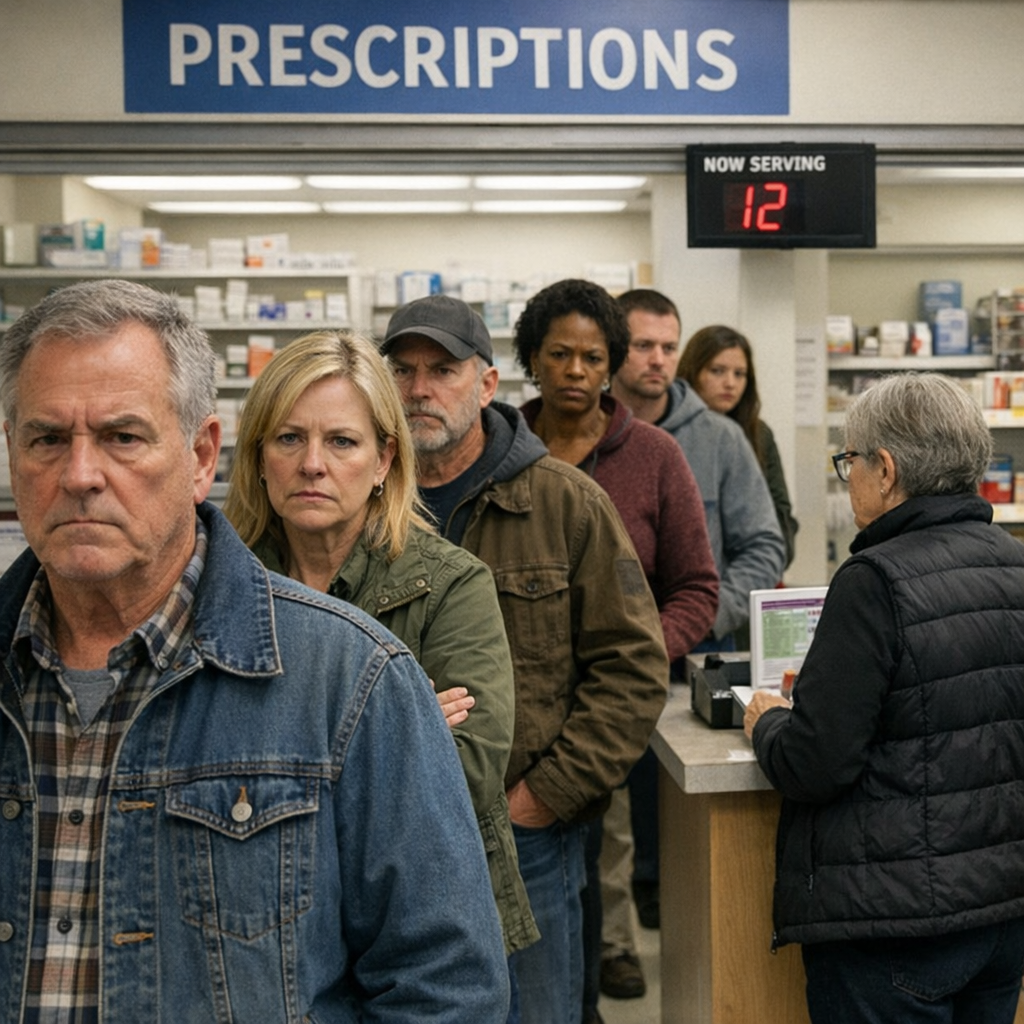
From coast to coast, Americans are grappling with a mix of economic pressure and political frustration. Surveys show an increasingly pessimistic mood—on everything from affordability and inflation to trust in government and health care. These concerns are shaping the national conversation and crystallizing what voters say they want from leadership heading into the final stretch of 2026.
Economic Anxiety: Inflation, Living Costs, and Confidence
While some labor and market indicators remain resilient, many Americans feel squeezed. Inflation, especially for essentials like food, housing, and energy, ranks among the top concerns nationally. Cost of living has eclipsed many other issues in recent polls, with consumer sentiment hitting lows unseen in years. Overall, fewer than 30% of adults rate economic conditions as good or excellent, while a growing share expects things to get worse.
These trends heighten political stakes: the far closer tie between economic fears and party preferences could tip many races in tight districts.
Public Trust & Government Dysfunction
Among the top complaints: government inefficiency and partisan gridlock. Many Americans believe political leadership isn’t doing enough to address pressing problems or that competing party agendas prevent meaningful action. Trust in institutions—from Congress to regulatory bodies—is under pressure, especially as people demand clearer direction on issues like deficit spending, foreign policy, and disaster response.
Health Care Costs, Coverage & Affordability
Even as medical technology advances, the financial burden of health care remains a core worry. A large majority across party lines see it as one of the most urgent challenges facing the country today. Concerns include rising premiums, surprise costs, and inequities in access. For voters who say cost and health are inseparable, this issue looms as large as inflation itself.
What This Means for the Midterms
With the 2026 midterm elections approaching, voters are increasingly focused on issues that affect their daily lives—not abstract national arguments. That means campaigns and candidates are under pressure to respond with concrete plans: relief on living costs, health care reform, stronger messaging on budget responsibility, and early resolutions—or at least credible steps—on immigration and trust in governance.
For many, the question is whether leaders will ease the economic pinch or make matters worse.
Ethan Martinez is a Nashville-based reporter covering national trends in U.S. politics and the economy.