

By Isabella Rodriguez
Nashville’s sports landscape—from high school fields to college stadiums—is undergoing important changes that reflect shifting values, increasing demands, and fresh opportunities. Here are some of the key patterns reshaping how local teams compete, train, and connect with the community.
Balancing Ambition with Athlete Safety
The rising heat in Tennessee has become more than just an obstacle—it’s a challenge that high school programs now face during fall training and games. Schools are implementing strict hydration protocols, adjusting practice times, and monitoring weather alerts closely to protect student-athletes. These changes aren’t temporary fixes; they’re becoming part of the standard approach to safer competition.
Multi-Sport Participation Remains Strong—Among Top Schools
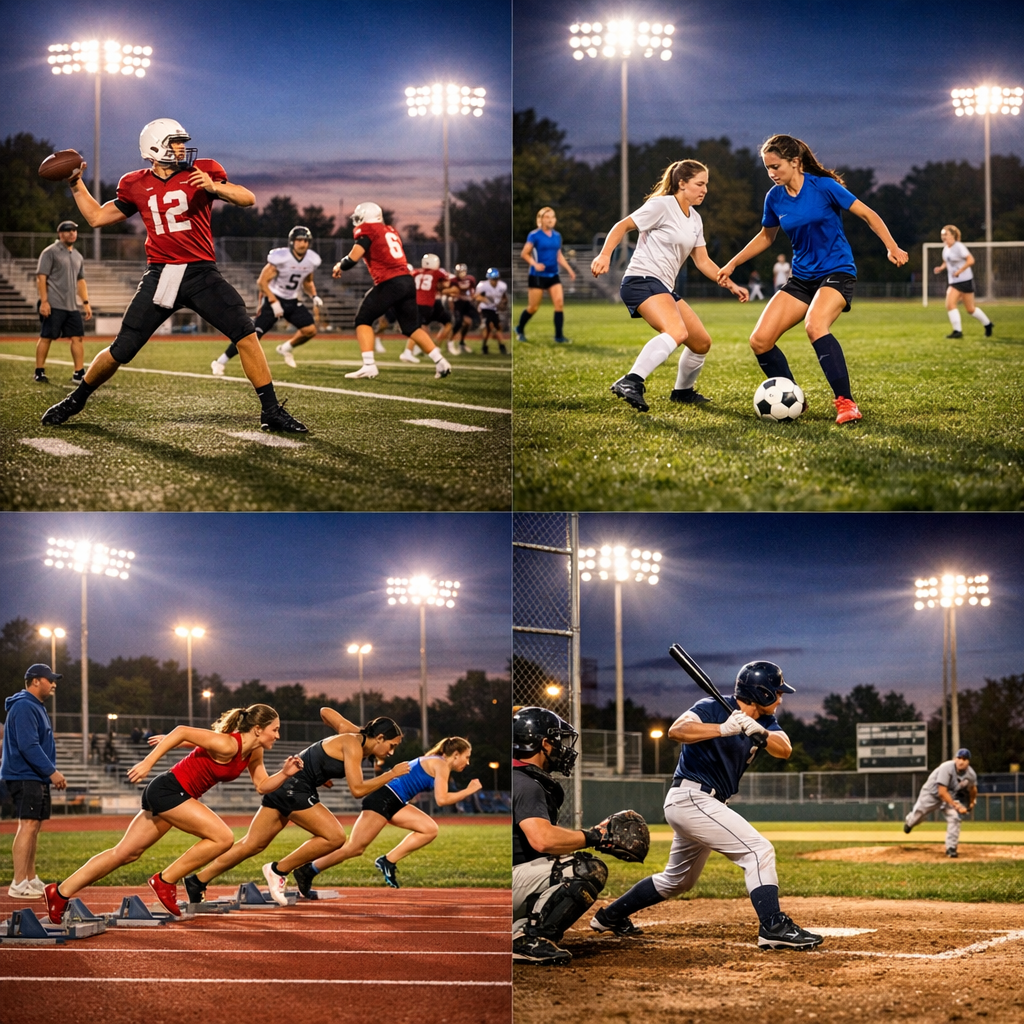
According to recent TSSAA data, schools like Ensworth, Nolensville, and Christ Presbyterian Academy boast high numbers of multi-sport athletes. These institutions show that students can thrive without over-specializing early. For other schools balancing resources and coaching capacity, encouraging participation across multiple sports remains a strategic challenge.
New Leagues for Middle School Athletics
This school year, the Charter Athletic League officially launched to support sports opportunities for middle schoolers at Nashville’s charter schools. With 18 schools committed and leaders focused on fair scheduling, strong leadership, and meaningful competition, CAL is one of several efforts looking to make youth sports more accessible and better structured.
Vanderbilt’s Campus: A Campus Reimagined
Vanderbilt University’s “Vandy United” campaign recently revealed plans for over $300 million in new athletics-related facilities. A soccer and lacrosse stadium, enhancements for women’s Olympic sports, and upgraded coaching and recovery spaces are all part of the blueprint. It’s a signal that even institutions rooted in scholarly tradition see competitive athletics and strong infrastructure as fundamental to identity and recruiting.
Major Sporting Events & Local Impacts
Big events bring big returns. The 2025 Liberty Mutual Music City Bowl brought over $38 million into Nashville, and the NCAA FCS Championship added another $31 million in economic impact. Such events draw fans, hotels fill up, restaurants stay busy—and those dollars flow through Mecklenburg neighborhoods too.
The Road Ahead
- More schools will likely formalize cooling plans and safety protocols, not just for football but for all outdoor sports.
- Middle school and youth leagues are expanding as schools acknowledge the need for early—but healthy—sport development.
- Facility investments at the college level will continue, especially for sports that receive less attention, like women’s soccer or Olympic sports.
- As economic stakes rise, Nashville may host even more high-profile games, making sports a strategic part of civic planning.
At the heart of all these changes is a simple drive: one that asks not just how many games we win, but how we play them—and how we build the communities around them.