

By William Lopez
The Cost of Growth: What Nashville Is Facing
Nashville has become known for its booming growth: a vivacious arts scene, a robust jobs market, and steady population waves. But growth has a cost. Over the first half of the year, the median price for a single-family home in greater Nashville neared $537,000—a figure far out of reach for many working families. Condominiums are more affordable, but still hovering around $350,000 in many neighborhoods. These rising costs reflect a market where demand far outpaces supply. (at times, these prices represent increases over the previous year, though modest ones.)
Why ‘Affordable’ Often Feels Out of Reach
Affordable housing generally means you spend no more than 30% of your income on housing. In Nashville, nearly half of renters exceed that threshold. This is especially true in Black communities, where historical and structural economic inequalities combine with current affordability stress. The city has made efforts, such as its Unified Housing Strategy, but implementation and scale remain significant hurdles.
The Human Stories Behind the Numbers
Behind every statistic is a family. A young teacher juggling two jobs, still unable to save enough for a down payment. A senior citizen watching the price of groceries, utilities, and rent push them toward impossible choices. Among African American residents, distinctive affordability barriers endure, shaped by legacy of housing discrimination, income gaps, and fewer generational assets. These stories are rarely abstract—they inform how people live, decide whether to stay in town, even how they see their future.
What’s Being Done—and What More Is Needed
Nashville’s Unified Housing Strategy, released by Metro in 2025, is a central blueprint that incorporates community input to prioritize equitable housing for a broad range of income levels. The city has also floated proposals like an affordable housing bond, and initiatives to expand housing security under various programs. For many, these are hopeful signs—but in real terms, the supply of truly affordable units remains far behind demand.
How Every Nashvillian Can Be Part of the Solution
Even when change feels powered by big institutions, neighbors still matter. Here are ways individuals and communities can help advance the cause of housing justice:
- Engage with local forums, neighborhood associations, or Metro planning meetings. Share what you see and hear from neighbors—where housing is becoming unaffordable, where diversity is being pushed out.
- Support nonprofit housing providers or community land trusts, which work to preserve or create housing that stays affordable over the long term.
- Check where your city representatives stand on housing bonds, zoning reforms, and land-use policies. Vote accordingly.
- Neighbor-to-neighbor: open your space, share resources, mentor first-time homebuyers, or simply advocate for fairness in rent and property relations.
Holding On to the Nashville We Love
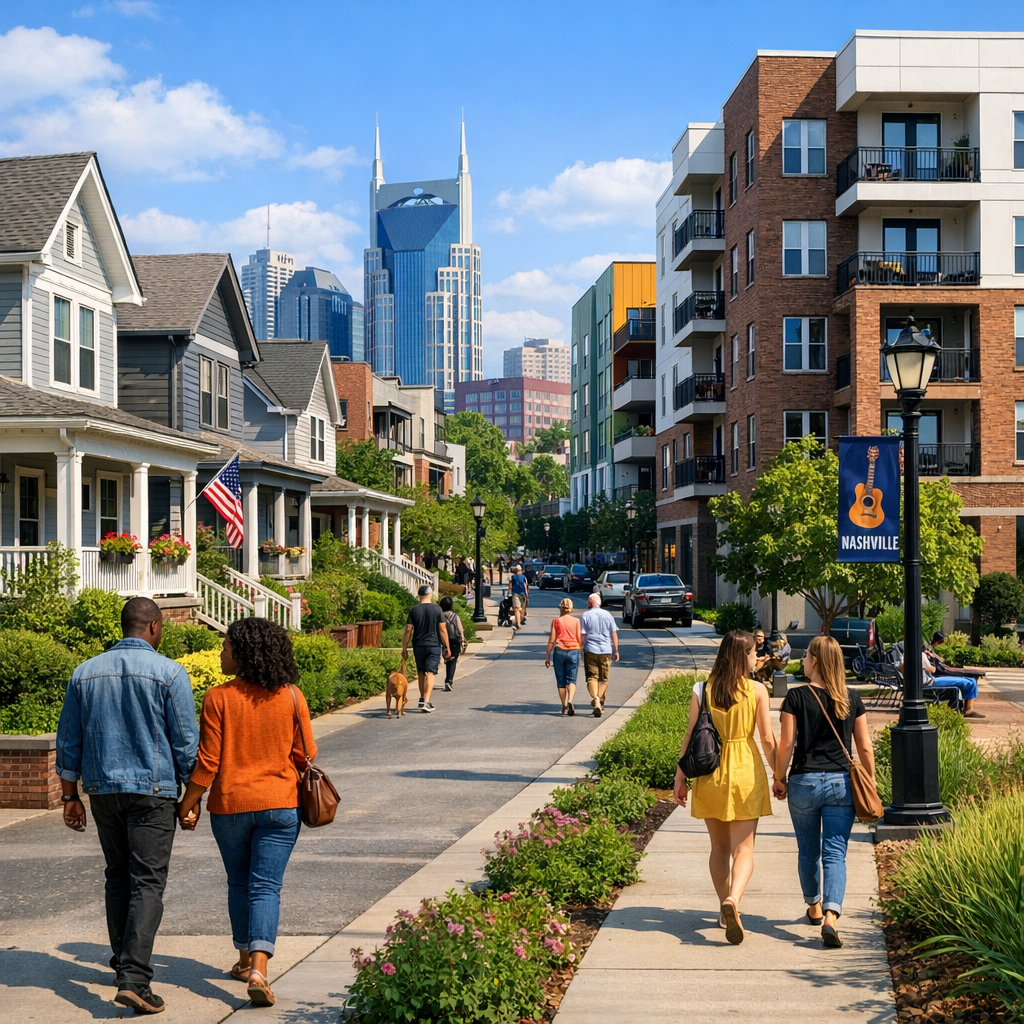
The soul of Nashville isn’t in rising highrises or booming real estate—it’s in the diversity of its people, the richness of its neighborhoods, the kindness and resilience of its community. As home prices climb and new buildings go up, there’s a risk that those who’ve shaped this city—artists, service workers, lifelong residents—get edged out. We can decide instead to build a future that honors everyone, not just those who can afford to keep up.