

By William Lopez
More Than Houses: What Community Really Means
Living in Nashville today, I see two parallel truths: our city is growing—fast—and many folks among us feel more isolated than ever. Sure, we’ve got new businesses, louder lights, and changing skylines. And yet, a lot of people I talk to say their block’s not what it used to be.
Community isn’t just geography—it’s connection. It’s whether you recognize someone’s name, whether you share responsibilities, and whether you feel seen and supported. When our neighbors can’t afford to stay, when sidewalks are missing, or when the grocery options disappear, it erodes that foundation.
Voices From the Streets
There are people here who’ve watched whole families move away because rent jumped. I heard a single mother talk about working two jobs but still fearing eviction. Folks who grew up in neighborhoods that once had rhythm, church potlucks, or front porch conversations, now say there’s a culture of doing your own thing.
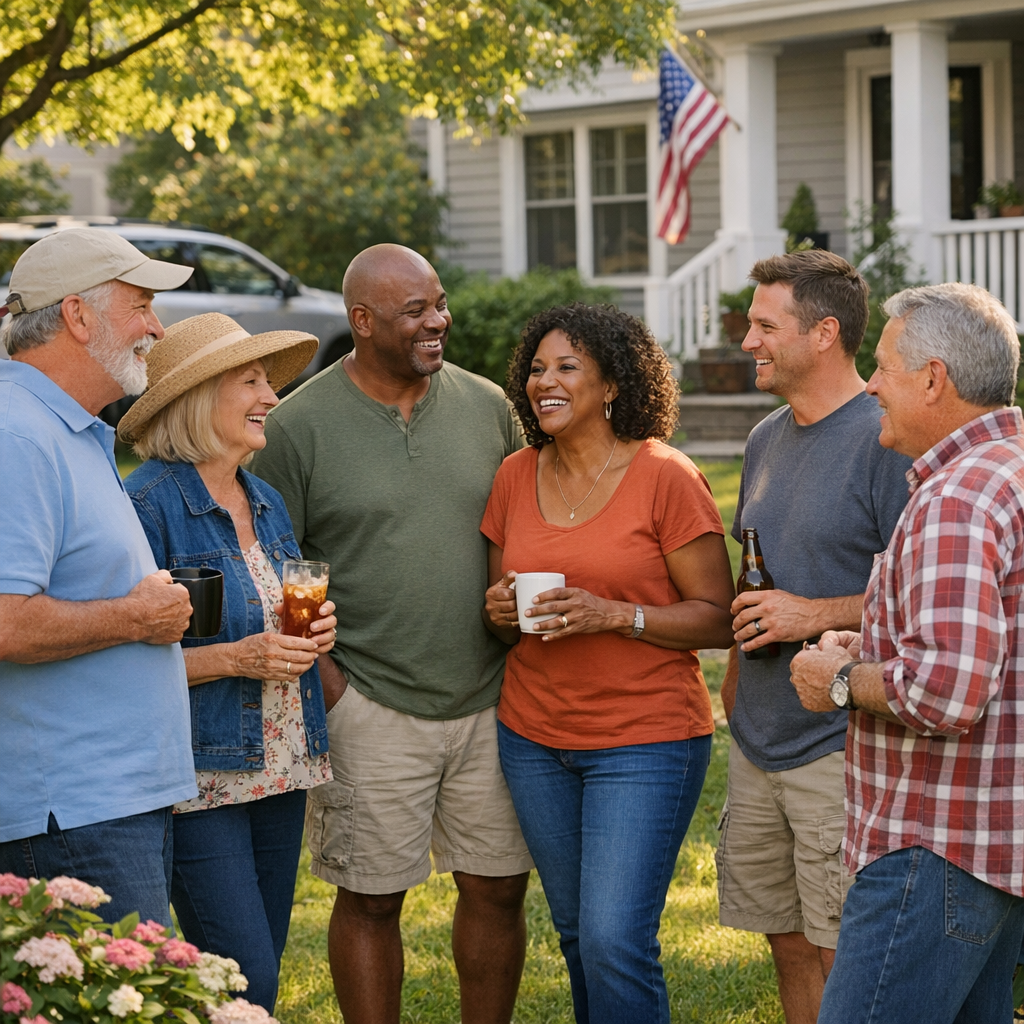
At the same time, I’ve spoken to neighbors organizing block parties, setting up shared gardens, or leading “dog walks” that turn into storytelling sessions. I’ve heard stories from elders who bake extra just to share, teens teaching seniors to use phones or video tools, and students staying after class to tutor cousins and classmates.
Challenges to Building Bonds
First, economics. When rent and housing are unpredictable, people move often, severing roots. Local workers, especially, are priced out of areas near transit or amenities. In neighborhoods designated “food deserts,” it’s not just about access to groceries—it’s about places to gather, to meet, to build trust. Whether shopping at a farmer’s market or waiting in line at a community pantry, these moments matter.
Then there’s the infrastructure piece. Sidewalks that are uneven or absent. Parks underused or soon overtaken by development. Public transit routes that feel like a riddle more than a utility. These aren’t just inconveniences—they shape how safe people feel, how easy it is to walk or run errands, or even wave hello to someone at the corner.
Steps Toward Renewal
Make Space for Shared Life
Block parties. Shared gardens. Inviting someone over. These things cost little but pay big dividends. One neighbor told me about hosting monthly front-porch “breakfast meets,” where anyone walking by can stop in. It built friendship, trust, and helped someone find a babysitter; another source of help.
Strengthen Local Institutions
Churches, libraries, nonprofit kitchens, community centers—all of these anchors still matter. When people gather in spaces that aren’t bars or restaurants, it helps include people of different incomes, ages, and backgrounds. These are places where people share stories and survive together.
Advocate for Walkable, Affordable, Equitable Neighborhoods
Reach out in public meetings. Push for policies that protect renters. Demand land-use decisions that preserve green space. Make sure transit lines connect people to work, school, and grocery stores. Every vote, every community meeting, every city plan matters.
A Question We All Face
What I’ve learned in conversations is this: you don’t have to wait for big government plans to shape community. What matters latest isn’t perfect solutions—it’s the imperfect moments: the smile, the shared meal, the effort to ask someone if they’re okay. These moments are where the ties between people strengthen.
Nashville is changing—and it will keep changing. But as long as we value our shared spaces, our neighbors, and our stories, we can make sure that what’s lost isn’t the love or trust that binds us.