

By William Lopez
When I first moved to Nashville as a young adult, the city felt full of promise: a rhythm of music here, neighborly gatherings there, affordability that made it possible to dream bigger. Now, every time I walk through North Nashville or stop for coffee in Antioch, I see people stretching that promise thin.
How we got here
For years, Nashvillians have raised alarm about rising housing costs, shrinking home-ownership opportunity, and the widening gap between hope and reality. A citywide poll found that 82% of residents said they cannot afford to buy a house in Davidson County, a sign that many are frozen out of building equity and roots where they’ve put down so much effort. Much of this comes down to increasing home prices, limited inventory, and wages that don’t keep pace. Communities feel squeezed by development that often ignores their lived experience.
A city divided by affordability and belonging
Data from the Metro Social Services’ Community Needs Evaluation show that affordability issues are especially severe among African American residents—higher poverty rates, more cost-burdened renters, and gaps in access to wealth building. Life expectancy for Black Nashvillians remains significantly lower than for white residents. For many of us, the trouble isn’t just paying rent or utilities; it’s wondering whether Nashville is still made for people like us.
Imagine Nashville, a community research effort, backed this up: while over half of residents feel like Nashville will get better, that hope isn’t shared by all. Low-income families, older adults, Black people, and LGBTQ+ individuals more often report feeling excluded from the benefits of growth such as transportation, affordable housing, and neighborhood improvements.
Where do we go from here?
I believe the first step is listening—not just to leaders and developers, but to folks on the edges: renters, elders, longtime residents, those who feel like their voice isn’t heard. Plans like the Unified Housing Strategy and the Housing & Infrastructure Study include public input, but implementation must follow through. Key obstacles, like zoning laws that limit housing types, must be addressed so more housing can be built at lower cost, close to where people already live and work.
We also need targeted interventions. If 25% of people in the urban core live in food deserts—places where a grocery store is more than half a mile away—then we must expand access through community-focused grocers and co-ops that prioritize affordability, cultural relevance, and sustainability. Housing alone won’t fix the pressure on daily life.
Community holds the key
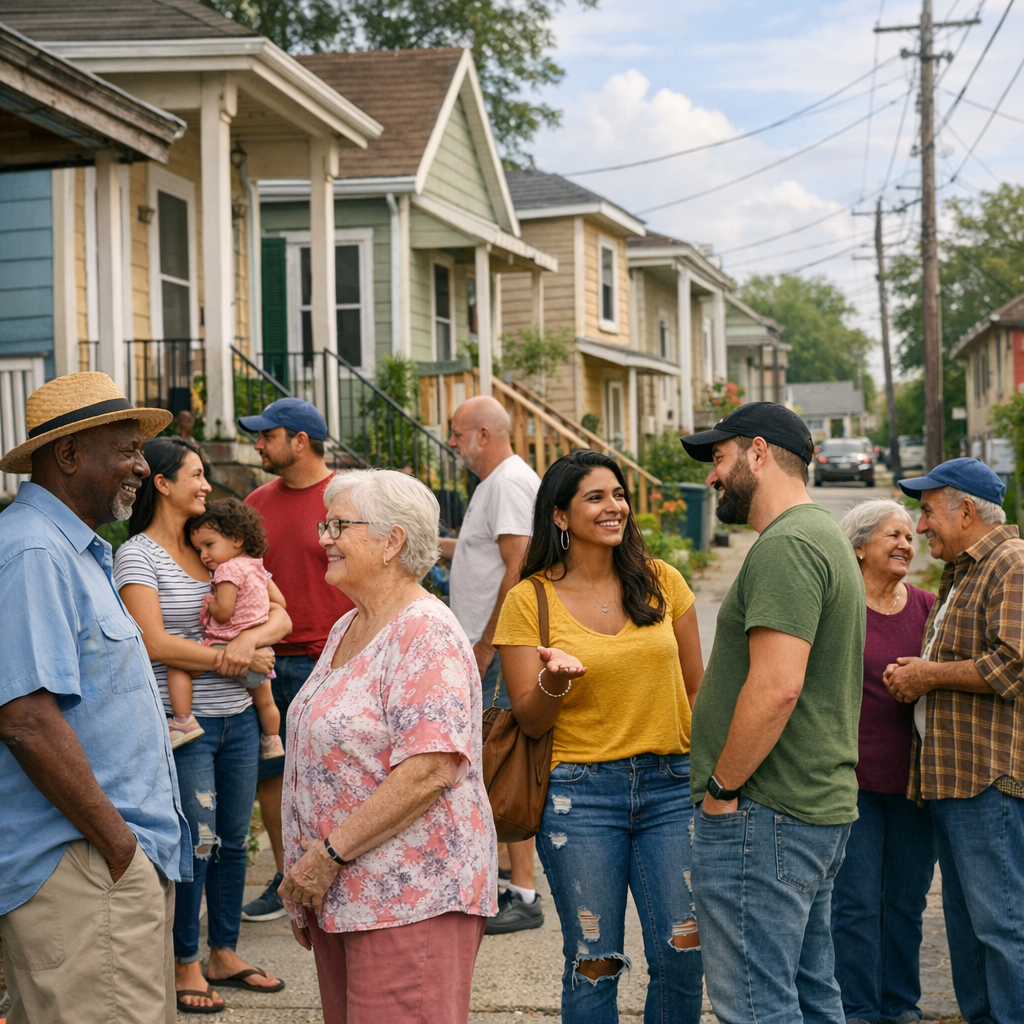
Over and over, we’ve seen that when neighbors organize, talk at city planning meetings, form coalitions, and demand accountability, power shifts. But that requires a system that lets all of us be heard. Technology, survey boards, neighborhood associations—these exist, but many feel disconnected. We need transparent processes, deadlines, concrete updates, and opportunities for folks who’ve often been left behind.
I love Nashville. Not because it’s perfect, but because every once in a while you catch a moment that reminds you what we’re fighting for: kids playing in the yard of a house your parents once rented, a neighbor’s food-truck serving meals cooked with home-grown peppers, a street where folks wave even when they’re strangers. If we want Nashville to stay for all of us, not just some, we must act together—claiming space, demanding respect, refusing to settle for mere promises.