

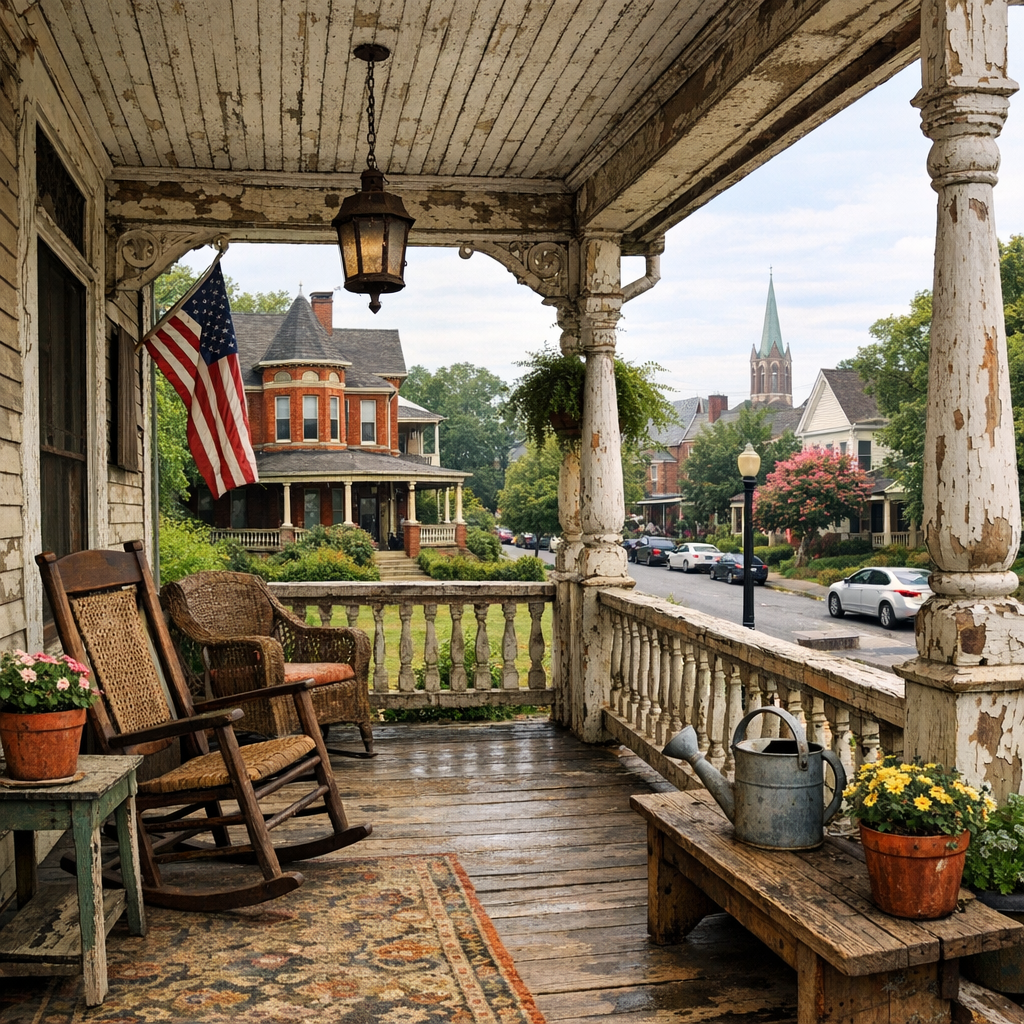
My great-grandparents settled in East Nashville when it was a modest place of small businesses, front-porch talks, and Friday night lights at neighbors’ yards. I grew up hearing stories about dogwood trees lining the yards, one barber shop where everyone knew your name, and no worry whether the place you came back to each night was priced just out of reach.
These days, Nashville is growing in ways that delight many: new businesses, rising skyline, visitors flocking here, artists arriving hopeful. But for many locals—especially those whose families have been here for generations—the city changing feels less like progress and more like displacement.
Prices Rising, Roots at Risk
Data confirms what countless Nashvillians are feeling in their bones. The 2026 Community Needs Evaluation showed that the poverty rate for Black residents in Davidson County is now about 18%, compared with roughly 12% overall. House-renters are “cost-burdened”—spending over 30% of income on housing—at much higher rates among Black and Brown households. These are long-term Nashville families, suddenly facing serious decisions: stay somewhere that’s no longer affordable, or move away.
Not a New Problem—but Growing Urgency
Challenges rooted in history—to redlining, disinvestment, unequal access to credit—have made shifts in housing cost, land use, and zoning feel like another wave of erasure. It’s not just about affordability: it’s about feeling like what your family has built is still part of what makes Nashville Nashville.
Residents across neighborhoods talk about upzoning proposals or “missing middle” housing reforms with concern—not simply over zoning technicalities, but over what gets lost when long-time neighborhoods are reshaped without local perspective. Questions arise: Who benefits? Which voices are heard? Which homes are preserved?
Where Do We Go From Here?
I don’t believe displacement is inevitable. Nashville’s “WeGo” transit improvements, public health efforts, and housing strategy plans show opportunity—if neighborhoods, policymakers, and longtime residents are in conversation. If metrics like “affordability,” “livability,” “infrastructure strain,” and “cultural preservation” all get equal weight.
Here are a few paths I believe matter:
- Advocacy for zoning policy that protects affordable, smaller homes in established neighborhoods so long-time neighbors aren’t priced out.
- Development incentives aimed at preserving locally owned businesses, homes, and gathering places—keeping not just houses but the textures of community.
- Transparent, accessible public engagement—meetings in churches, community centers, with childcare available, so people who work multiple jobs can participate.
- Pushing for rental assistance, property tax relief, and supportive services targeted to those bearing the brunt of change—especially Black and Brown Nashvillians.
We must remember: a city is only as strong as its roots. If every tree is torn out so something newer and taller can grow, strong winds will uproot us all. Nashville’s story will keep being written—but its heart should still recognize those who laid the foundation.
My hope is that, decades from now, my children will still hear stories not just of a Nashville “we’ve lost,” but of one where respect, history, and community remained part of our present.