

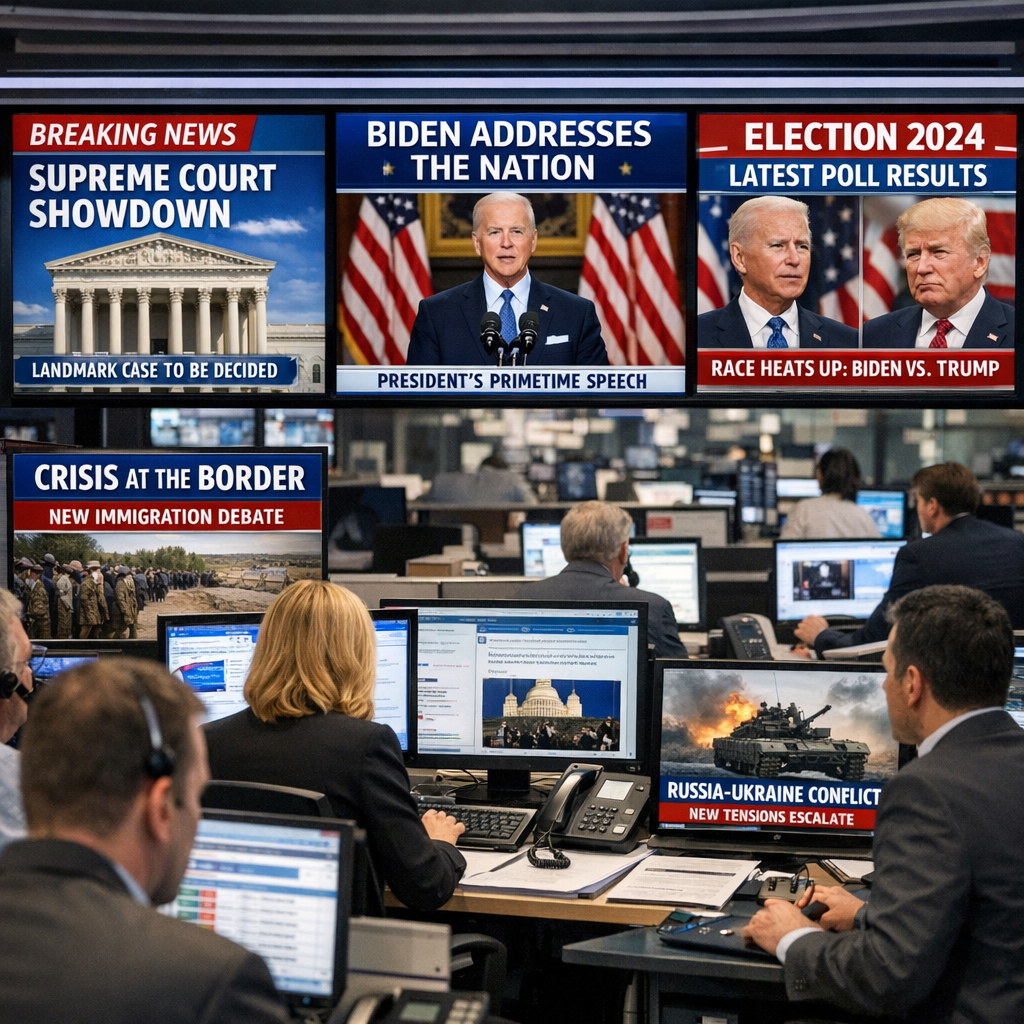
As someone following national headlines with care, I’ve noticed that while many stories capture day-to-day drama, a few trends are building that could affect us well beyond headline news. Here are core forces at work across U.S. politics, economy, and law right now.
1. The Economy: Growth Holding Steady, But Pressure Points Remain
Recent reports show the U.S. economy growing—real GDP expanded by about 2.1% in the first quarter. The labor market remains relatively strong, though job gains have slowed, and inflation and high financing costs are cutting into households’ buying power. Inflation has eased somewhat from recent highs, though costs for essentials still squeeze many Americans.
Higher interest rates are weighing on sectors that rely heavily on credit—especially housing and durable goods—while business investment, particularly in areas like artificial intelligence and tech infrastructure, continues to draw interest and capital.
2. Federal Power, the Courts, and Voting Rights
The role of the judiciary in defining political boundaries is growing more prominent. For example, the Supreme Court has weighed in on issues like late-arriving mail-in ballots and preserved certain voting rules. These cases not only decide immediate election logistics but also shape perceptions of fairness and trust in democratic institutions.
Meanwhile, debates over the limits of executive authority—especially in areas like immigration, voting access, and federal regulatory power—are percolating. These contests often end up in court, heightening uncertainty for citizens, businesses, and state governments alike.
3. Trade, Diplomacy & Foreign Policy Flashpoints
Trade tensions are no longer confined to economic forecasts; they’ve sparked diplomatic pushback. Canada, for one, has strenuously responded to U.S. tariff threats. These disputes affect consumer prices and supply chains, while also altering long-standing alliances and trade norms.
In foreign policy, the U.S.’s relationship with Iran—particularly over war powers, military strikes, and diplomacy—is at a crossroads. The outcome of that distance will influence everything from energy markets to congressional authority over military decision-making.
4. Polarization and the Road to Midterms
Political polarization remains deeply entangled with policy controversies. Voter concerns range from inflation and health care to executive overreach and national security. All of this feeds into how campaigns are being shaped—what candidates emphasize, who they target, and how they respond to national mood swings.
The upcoming midterm elections are not merely about who wins seats, but about what issues dominate the national dialogue. Trust in institutions—courts, elections, media—has become a central subplot in those races. Local and state issues reflect these broader divides.
What It Means Locally (for Readers Around Nashville and Beyond)
National trends often hit home with a lag but with impact. Rising inflation can mean higher utility bills, increased grocery costs, and tighter family budgets. Trade disputes can affect local manufacturers, farmers, or retailers depending on their supply chains. State court rulings can set precedents that change access to ballots and influence how local policies are shaped.
So while many headlines may feel distant, these undercurrents—economic stress, court decisions, foreign affairs, and political division—are already influencing life in Nashville and across Tennessee.
Bottom Line
The U.S. is in a moment where stability is real—but fragile. Economic resilience is tempered by inflation and rising costs. Courts play a growing role not just in law, but in politics. Foreign policy decisions ripple into domestic life. And polarization continues to stress democratic systems. Observing how these threads weave together can help us make sense of what’s coming.