

By Sophia Anderson
Homebuyers Gain the Leverage
Over recent months, Nashville’s real estate market has tilted in favor of buyers. Inventory has climbed sharply, with more homes for sale than we’ve seen in several years. That means more choices—and less pressure to bid above asking price. Sellers are now encouraged to price homes realistically, make improvements before listing, and expect more negotiations.
Median home prices continue rising, though at a slower pace. Single-family homes still lead the pack in value gains, while townhomes have leveled off or even slipped in some areas. Buyers who can consider homes outside the urban core—for example in suburbs with better affordability and space—are finding better value.
Renters See a Cooling Trend, But Prices Stay Elevated
On average, Nashville’s rental rates have eased compared to their peak. Monthly rates are slightly down over the past year—even as demand for well-located, amenity-rich apartments remains high. Vacancy rates rose, especially in newer Class A developments, giving renters more options and some talking room.
Still, affordability is stretched. Median rents are holding near or above $1,800 in many areas, and smaller properties or older buildings may be your best routes to lower costs. Suburban and fringe neighborhoods—where public transit is less available—may offer more budget-friendly rents.
Policy Tools & Local Projects Shaping the Market
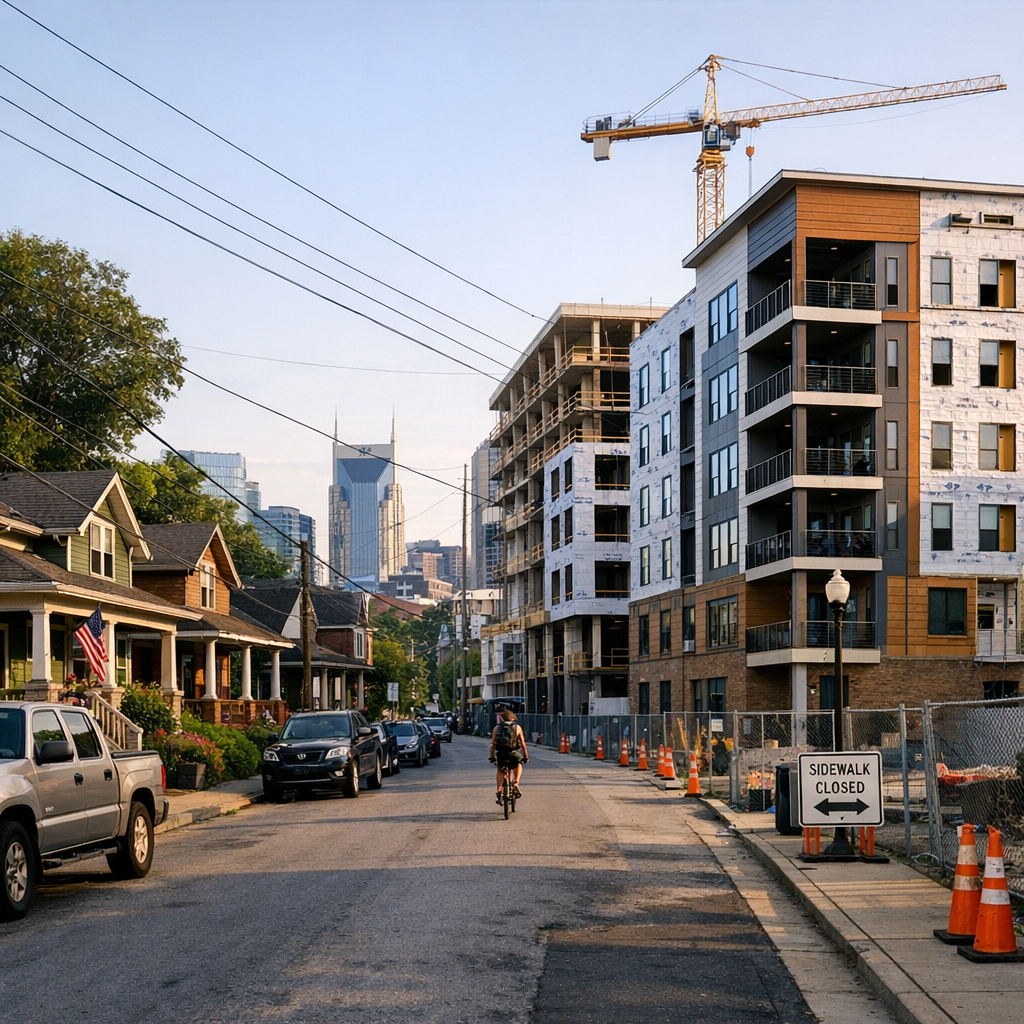
Nashville continues to lean on programs like the PILOT (Payment In Lieu Of Taxes) initiative, which over the past decade has helped build or preserve more than 11,000 affordable rental units with tax relief for developers. The pipeline remains active with dozens of new developments underway or planned. Public-private partnerships are also delivering mixed-use, income-restricted projects that include retail, childcare, and long-term affordable housing.
One standout is Eastpoint Flats in the East Bank, a project planned to include more than 300 affordable units, retail space, and childcare—under a 99-year lease that binds its affordability. These kinds of initiatives are essential tools to balance Nashville’s growth with access and equity.
Strategies for Aspiring Homeowners & Renters
If you’re looking to buy: consider browsing in neighborhoods outside downtown or the most trendy areas. Be ready to make competitive offers in product-ready homes, but expect to find more opportunities to negotiate than before. Financing remains a key factor—don’t assume you’ll automatically get favorable terms if prices are still inflated relative to incomes.
If renting: prioritize trade-offs. A slightly longer commute, older building, or fewer amenities can keep rents manageable. Keep tabs on upcoming affordable housing projects and waitlists, especially in areas where new construction has increased vacancy.
For both buyers and renters, staying informed on Metro and MDHA proposals and programs can offer advantages. Local zoning changes, affordable housing bonds, and tax-credit initiatives are influencing what’s built—and where.