

By Ethan Martinez
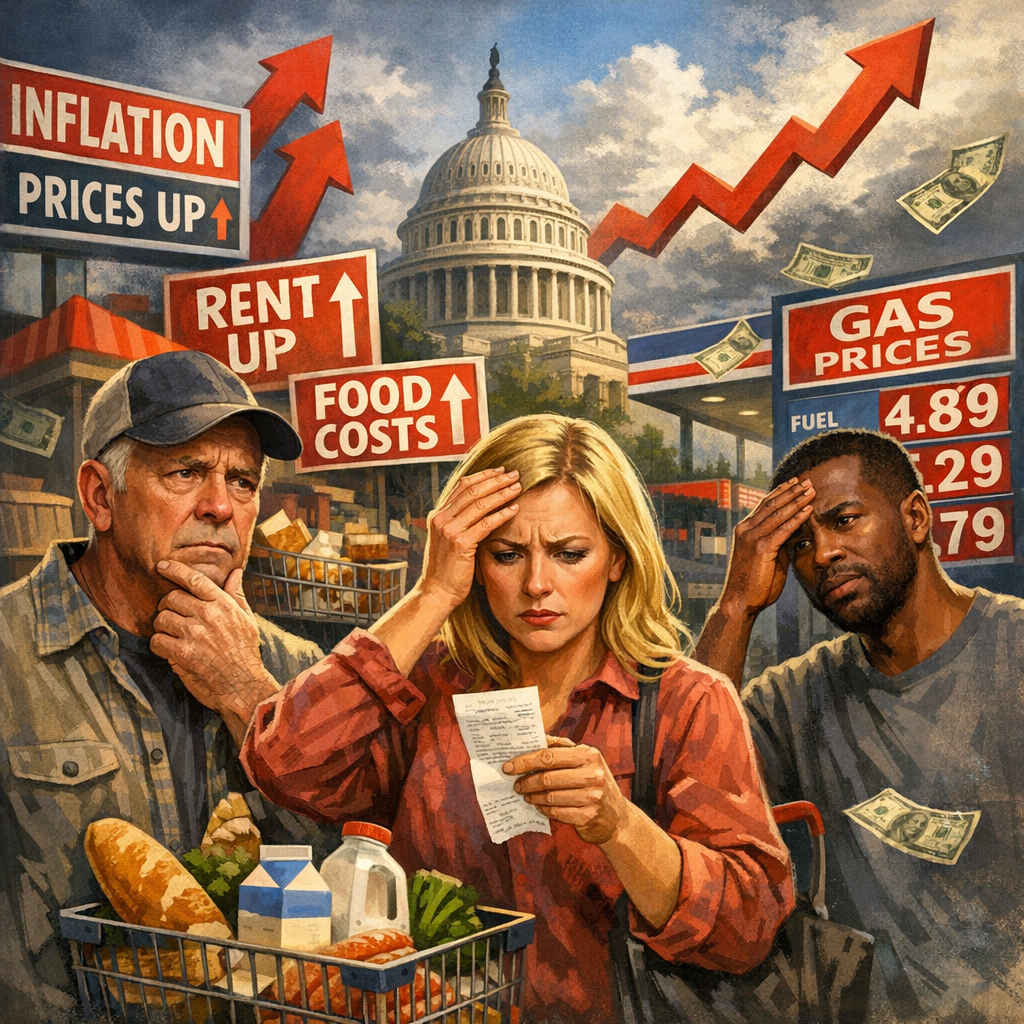
Across the country, Americans are expressing growing concerns about the economy as they prepare to go to the polls. Recent national polls highlight deep unease, frustration with uncertain leadership, and a tight race of priorities as midterm elections approach this fall.
Economic Outlook: Negative Sentiment Widely Shared
Polling data shows that only about one-quarter of Americans rate current national economic conditions as “good” or “excellent,” with around 35% describing them as “poor.” Opinions haven’t shifted much over the past few months, but optimism for the next year is waning — fewer voters now believe conditions will improve, and concerns about basic costs are rising sharply. Key worries include soaring expenses for housing, groceries, healthcare, and gasoline. These pressures are felt across political divisions but appear particularly strong among Democratic voters.
Midterm Mood: Voters Tune In
With midterms approaching, voters seem more motivated than in similar cycles. A new Pew Research survey finds Democrats are more engaged: more have thought deeply about their votes and see control of Congress as critical. Republicans, while also paying attention, appear less mobilized — though many still regard the economy and inflation as pivotal issues at the ballot box.
Party Trust: Neither Has a Clear Edge
Despite widespread dissatisfaction, neither party currently holds a decisive lead in public confidence when it comes to national economic policy. Roughly 37% of Americans say they align most with the Democratic Party’s policies, while about 36% side with the Republican Party. A sizeable number say neither fits. Trust in Congress remains at a low ebb, with fewer than 30% of Americans viewing the institution favorably.
What’s Driving the Discontent
Several overlapping issues help explain the current mood: inflation continues to strain household budgets; higher interest rates are weighing on borrowing and investment; housing has become harder to find and more expensive. At the same time, some segments of the population express worry about energy costs, the growing role of artificial intelligence in the economy, and what lies ahead amid global tensions.
Looking Ahead
As the midterm elections approach, candidates across the spectrum are crafting messages that answer these concerns. Issues like affordability and economic stability dominate, potentially above traditional, narrower policy debates. Whether voters will reward or punish incumbents is far from clear — but the stakes are undeniably high.