

By Amelia Wilson
Nashville’s neighborhoods buzz with opportunity—to move more, eat better, and tend to our mental health. Whether you’re a long-time resident or new to town, here’s a guide to resources, routines, and community offerings that can help you build lasting wellness.
Fitness Centers & Affordable Workout Spaces
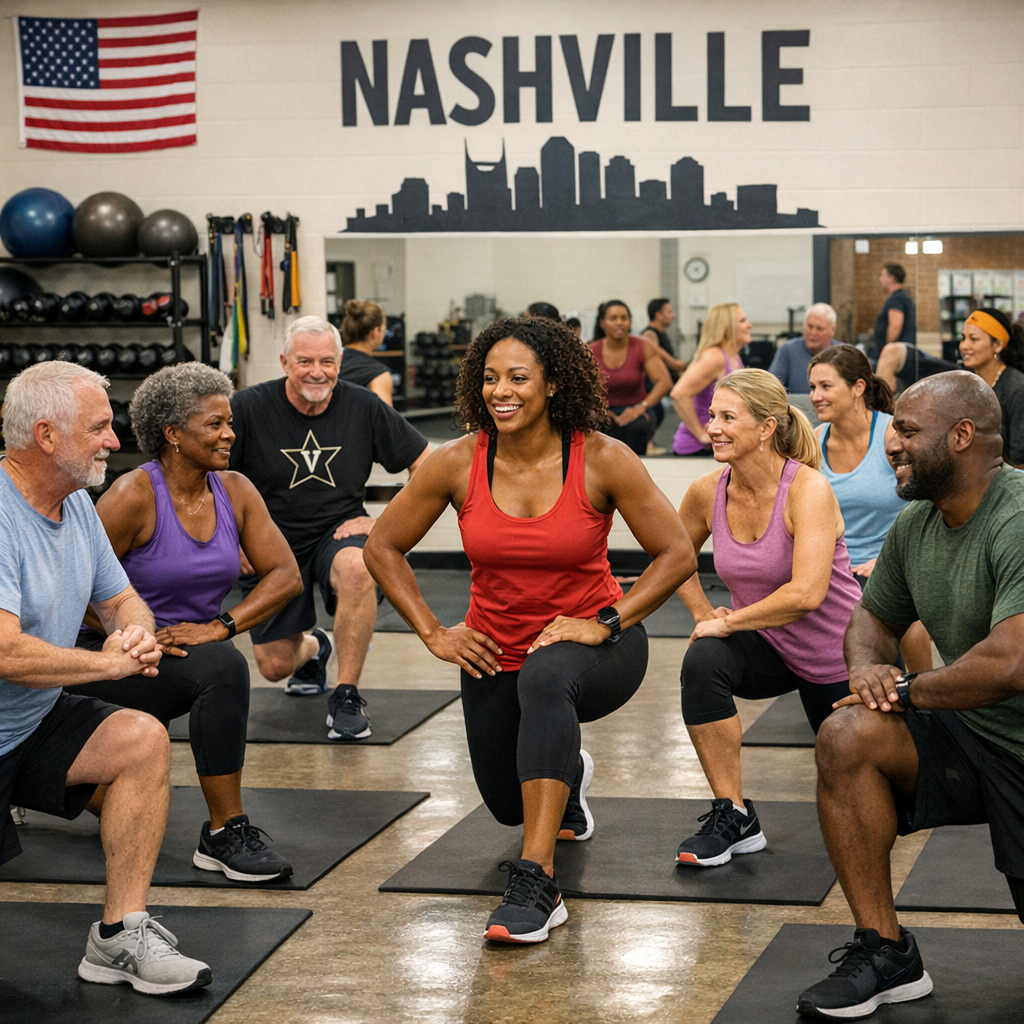
If gym fees make you hesitate, Metro Parks fitness centers are a solid bet: neighborhood fitness rooms are free, and regional centers—including the full-service Centennial Sportsplex—offer cardio and strength equipment at reasonable rates. You’ll also find group fitness classes and personal training. Metro Parks aims to make fitness accessible city-wide.
YMCA of Middle Tennessee has locations across and around Nashville, with extended hours and family-friendly amenities. Many branches provide classes, youth programs, and wellness resources for all ages, which makes the cost more than just a membership—it becomes part of a healthier routine.
For those looking for more comprehensive offerings, Boost FitClub provides a large facility that blends fitness, nutrition, youth programs, and organized sports. From serious training to family workouts, it’s one hub where multiple healthy habits can take root.
Mental Health & Community Support
Facing tough moments? The Metro Public Health Department’s Behavioral Health & Wellness Services offer free mental health counseling for Davidson County residents impacted by community violence or substance use, no insurance or appointment fee required. Spanish-language support is available. Crisis resources include 24/7 phone lines and mobile crisis teams.
NAMI Davidson County also offers free peer support groups and education for people living with mental illness and their loved ones. Their programs help build connection, reduce stigma, and offer companionship that is deeply rooted in shared experience.
Through Psychology Today and local clinics, there are also specialty group therapies: options that focus on recovery, emotional regulation, relationship patterns, stress from work, LGBTQ+ identity, and mindfulness + movement. These can be spaces to explore while being supported by trained facilitators.
Eating Well & Healthy Everyday Choices
Nourishment isn’t just what you eat—it’s where, how, and with whom you enjoy meals. Woodbine Community Organization hosts interactive nutrition seminars led by local experts, exploring strategies to make lasting dietary improvements and support overall wellness.
Small choices—swapping sugary drinks for water, adding more vegetables, using whole grains—go a long way. Stable eating patterns support energy, mood, immune function, and long-term health. If cooking feels overwhelming, simple meal planning or batch prep can ease the burden.
Recovery, Ritual, & Routine
Being well is more than exercise and diet. How we rest, manage stress, and relate to others matters. Simple habits—consistent sleep, brief daily movement or stretching, time outdoors—serve mental and physical health alike.
Mindfulness practices, journaling, walking groups, even morning stretches can reduce anxiety and bring clarity. If you feel overwhelmed, look for community meditation groups, classes combining yoga and mindfulness, or virtual sessions.
Putting It Together: Sample Weekly Routine
This routine is adaptable—tweak according to your schedule, ability, and priorities:
- 3 days strength training: gym or at-home using resistance bands/bodyweight.
- 2 days cardio: walk, bike, swim, or hike greenways.
- 1 rest or active recovery day: gentle stretching or yoga.
- Add daily rituals:
- Meditate or journal (5–10 minutes).
- Prep vegetables or protein portions.
- Limit screen time before bed.
Tips for Staying on Track
• Start small. Even short workouts or modest diet changes help build momentum.
• Find an accountability partner or group. Social support boosts adherence.
• Make it personal. Choose movement you enjoy. Pick healthy foods you’ll actually eat. Tailor routines to your life.
• Be forgiving. Missed workouts or indulgent meals aren’t failures—they’re part of the process.
In Nashville, you’re not short of tools—a welcoming gym, a neighborly support group, a park trail, or a local class. Take one step, tweak one habit—and let your wellness grow steadily.