

By Mason Martinez
Understanding Nashville’s Climate Basics
Nashville is known for having all four seasons, each bringing its own patterns of rainfall, temperature swings, and seasonal character. Summers are hot and humid, with normal highs near 90°F and lows in the upper 60s, while winters are cooler, with highs near 50°F and lows dropping into the low 30s. Rain is fairly evenly distributed through most of the year, with April and May often on the wetter side. Snow and freezing temperatures happen but typically for brief periods. These norms underlie everything from gardening to construction to how we experience outdoor life. (Based on long-term weather normals for the region.)
Emerging Shifts in Weather Patterns
Higher Average Temperatures
Over recent decades, Nashville’s average temperatures have crept upward. The city is experiencing fewer nights with temperatures falling below freezing, and summer nights are staying warmer. This slows down the cool-down periods that typically offer relief from heat. The growing “climate water deficit,” meaning the gap between what vegetation needs and what’s available, is increasing as more heat also increases evaporation. (Climate modeling predicts a rise in stress on plant life and infrastructure without planning.)
Changing Rainfall and Storm Patterns
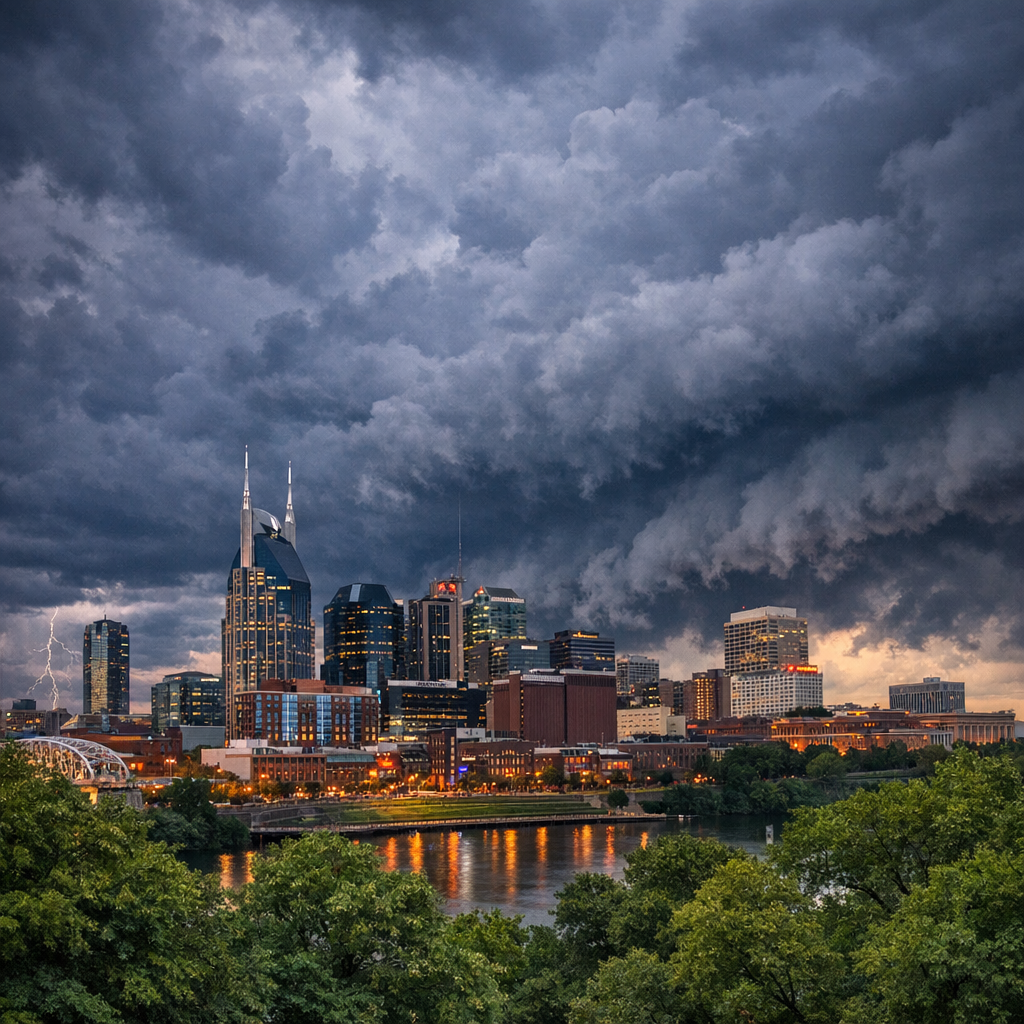
Heavy rainfall events are becoming more intense. When storms hit, the downpours are more sudden and intense than in past decades. Nashville is also more vulnerable to flash flooding, especially in built-up areas where paved surfaces don’t absorb water. While certain months are still wetter—spring and early summer—Nashville is seeing more variability, with some late season shifts and summer dry spells punctuated by heavy storms.
Longer Warm Seasons, Shorter Cold Ones
The warm season—when highs regularly exceed 80°F—is extending longer into fall and starting earlier in spring. The cold season, defined by daily highs under the mid-50s, is shrinking. These shifts can disrupt traditional schedules for agriculture, outdoor recreation, and even local ecosystems that depend on certain freeze cycles.
Environmental Impacts Beyond the Thermometer
Effects on Natural Ecosystems
Nashville and Middle Tennessee are coming under increasing pressure from habitat loss, invasive species, and disruptions to native plants and animals. Trees, understory plants, amphibians, and insects face life cycles out of sync with shifting freeze and thaw times or with precipitation changes. The Nashville Basin, for example, is highly biodiverse and includes fragile ecosystems such as cedar glades—ecosystems at higher risk due to nearby development and changing climate conditions.
Urban Heat and Flood Risk
The city’s built environment makes certain impacts worse. Concrete, asphalt, and dense development store and radiate heat, meaning urban neighborhoods can stay much warmer—especially at night. At the same time, increased rainfall intensity combined with aging drainage and stormwater systems result in greater risk of flooding, especially in areas without adequate green infrastructure. Protecting natural flood pathways and increasing tree cover help, but require coordinated effort.
What Nashvillians Can Do—and What’s Being Done
The city is working on these challenges. Metro Nashville has developed plans like the Climate Adaptation & Resilience Plan to guide infrastructure upgrades, flood mitigation, and public health responses. And the Ecological Conservation Strategy is underway to safeguard natural areas and shape growth in ways that protect ecosystems and connected landscapes. (These are multi-year efforts involving community input.)
Meanwhile, individuals can help by planting native trees, conserving water, supporting green infrastructure, and staying aware of local flooding zones or heat advisories. Small actions add up, especially where the natural world and human communities intersect.
Looking Ahead
The weather isn’t just something that gives us daily convenience—or inconvenience. It’s tied into our infrastructure, economy, health, and environment. Nashville’s climate journey will influence millions of decisions: when to plant gardens, how we build, where we protect green spaces, and how communities can prepare for more intense weather.
By understanding the trends and planning effectively, Nashville can build a more resilient future—one where both people and nature thrive.