

By Emma Johnson
What’s going on?
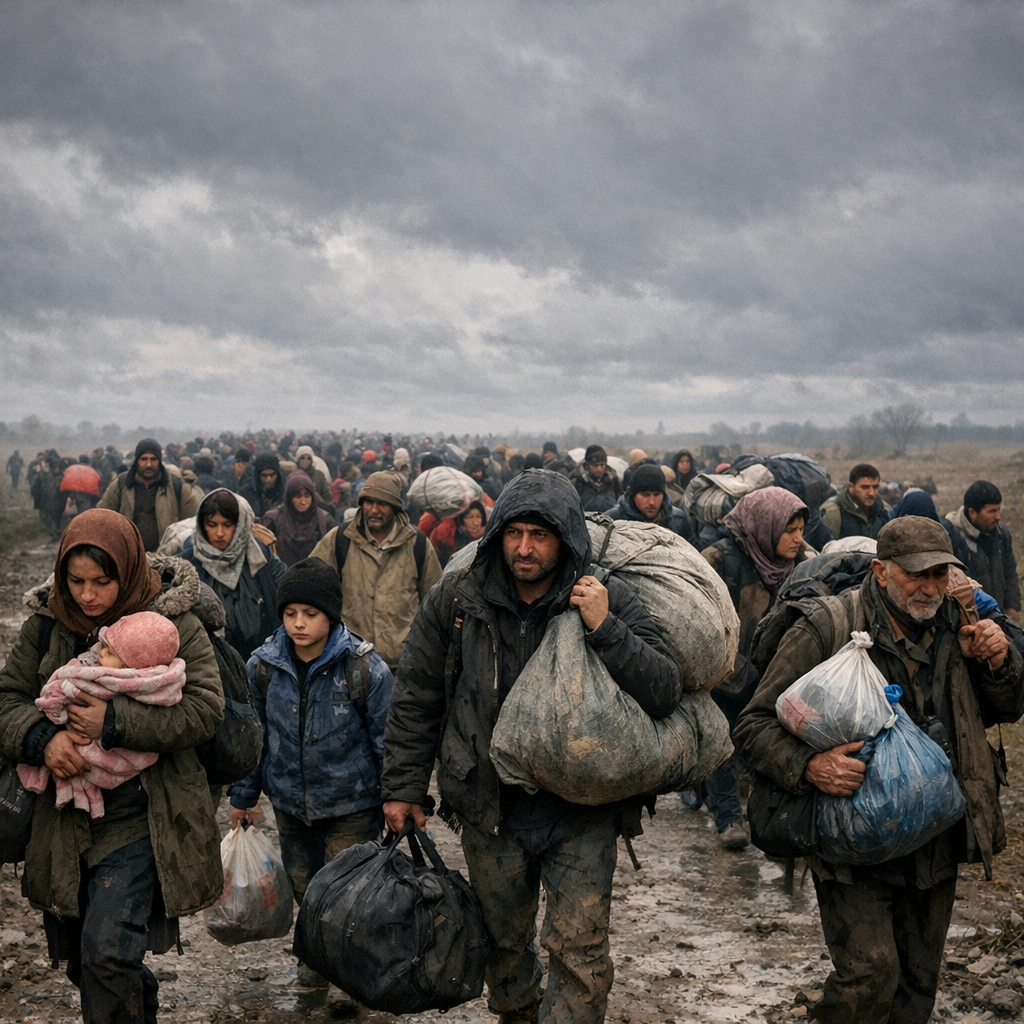
Recent data shows a staggering number of people globally are being forced from their homes. At the end of 2025, around 117 million people were displaced due to conflict, persecution or violence — including refugees, asylum seekers, internally displaced persons, and others in need of protection. That number remains near historic highs. Over 41 million were designated as refugees, with IDPs numbering close to 69 million. This marked a slight decline in refugees, largely due to returns in conflict-affected areas, but the scale of displacement remains massive. (Numbers sourced from the UN Refugee Agency’s Global Trends report.)
Main causes
A few recurring drivers fuel most displacement:
- Conflict and war: Ongoing wars in places like Sudan, Syria, and Ukraine continue creating waves of displacement, often across generations.
- Persecution and violence: Many displaced people flee because of threats due to their ethnicity, religion, political beliefs, or sexual orientation.
- Climate and disasters: Extreme weather, drought, and environmental degradation worsen crises in fragile regions, adding new pressure to already vulnerable communities.
- Poverty and state fragility: Weak governance, economic crises, and inability to provide basic services force people to move in search of safety or opportunity.
Challenges for those displaced
Life in displacement often means hardship:
- Lack of access to health services — physical and mental.
- Disruption of education — risks of missing years of schooling, especially for children.
- Limited possibility for work or legal status in host countries, causing reliance on aid.
- Unsafe return home — many areas remain unstable, and infrastructure or legal protections are lacking.
What is being done — and what more needs to happen
Organizations like UNHCR are pushing for a shift from short-term aid toward self-reliance and long-term solutions. One goal is to halve the number of displaced people dependent on humanitarian support by 2035, by improving access to education, work, social protections and integration in host communities.
Peacebuilding, preventive diplomacy, and legal protections are critical. International laws, refugee conventions, and human rights norms must be upheld — and strengthened where they fail to protect.
Finally, global cooperation is essential. Countries with resources and political influence can help through funding, welcoming refugees, supporting host communities, and working through multilateral frameworks.
How this touches Nashville and beyond
Nashville, like many U.S. cities, hosts people from displaced backgrounds. Recognizing these global trends helps local leaders, nonprofits and residents understand their stories, support pathways to integration, and reaffirm Nashville’s role in global compassion.
In brief
The displacement crisis is ongoing. Numbers are slightly shifting, but the urgency remains. Solutions must go beyond emergency relief toward inclusion, dignity, and sustainable futures.