

By Olivia Williams
Nashville continues to wrestle with rising costs—rent, groceries, transportation—that strain many households. In recent months, several city-level reports and programs have shed light on who’s most affected and what actions local government is taking to push back against these economic pressures.
Where the Pressure Hits Hardest
The latest Community Needs Evaluation report shows that Nashville’s African American residents face affordability challenges we can no longer ignore. They experience poverty and cost burdens at rates significantly above the city average. Unemployment is higher, pay is lower, and nearly half of renters overall are spending more than 30% of their income just on housing.
At the same time, the grocery sales tax, while a smaller line item in most budgets, adds up—especially for larger families or those stretching every dollar. For many, even small tax changes can shift daily decisions between a fresh meal and a cheaper, processed alternative.
City Initiatives: Policies & Programs Aiming for Relief
Mayor Freddie O’Connell’s affordability agenda includes some meaningful steps. One change: cutting the grocery tax by half a cent, which is expected to make everyday groceries slightly less expensive for all Nashvillians. Another key program: the Choose How You Move initiative. It’s focused on transportation—improving traffic signals, enhancing bus stops, adding bike lanes—and designed to reduce costs and commuting time across the city.
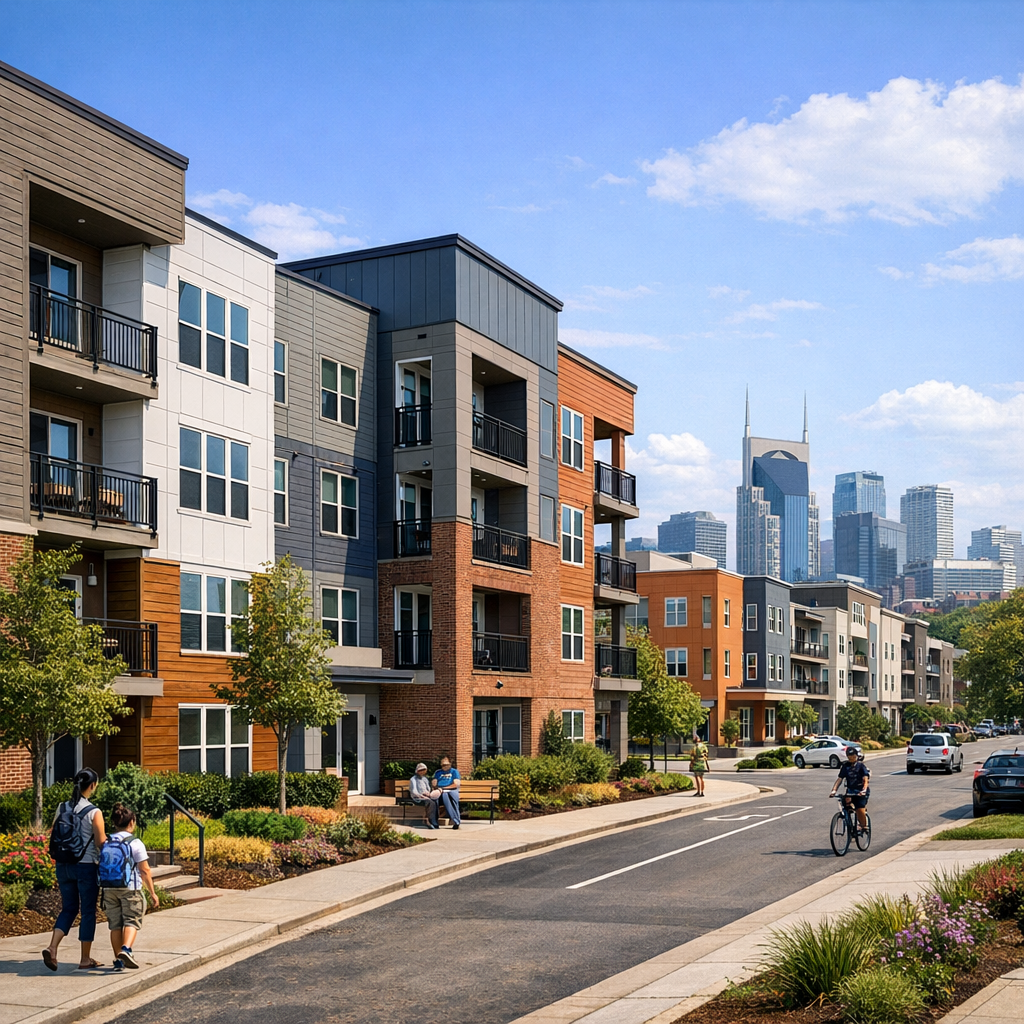
On housing, Nashville’s Unified Housing Strategy has marked progress. Since its launch, the city has supported housing projects that created or preserved nearly three thousand homes. That includes affordable housing units and those aimed at residents seeing the worst of the market shifts.
What More Needs to Be Done
Despite these steps, many community members say these efforts feel overdue or incomplete. Budget constraints, zoning rules, and resident pushback in some neighborhoods complicate efforts to build more affordable housing. Grocery tax savings help, but don’t offset wider cost pressures like utilities, healthcare, and childcare.
There’s also increasing concern about how systemic factors—historic wealth gaps, zoning barriers, transit deserts—continue to reinforce economic disparities. Affordability here isn’t just about today—it’s woven through decades of policy choices.
Your Role & What to Watch
Nashvillians can get involved through upcoming public hearings on the city budget and capital improvements. These are opportunities to voice priorities—be it housing cost, transit access, or grocery tax reform. Community groups, faith organizations, and business owners are also playing a role in pushing for solutions that are inclusive, equitable, and long overdue.
As Nashville grows, how we handle affordability will define not just cost-of-living—but the kind of city we want to become.