

By Mason Martinez
Nashville’s weather has always been marked by four distinct seasons—hot, humid summers; mild autumns; cool winters; and lively springs. Lately, though, many longtime residents and climate data show those seasons aren’t quite what they used to be. Here’s what you should know about how seasonal norms are shifting here, what environmental forces are driving the changes, and how Nashville is adapting.
What the data shows
Over recent decades, middle Tennessee—including Nashville—has seen an increase in average annual temperature, with warmer winters and earlier springs. Spring temperatures have risen noticeably, affecting things like the blooming of local plants and timing of allergies.
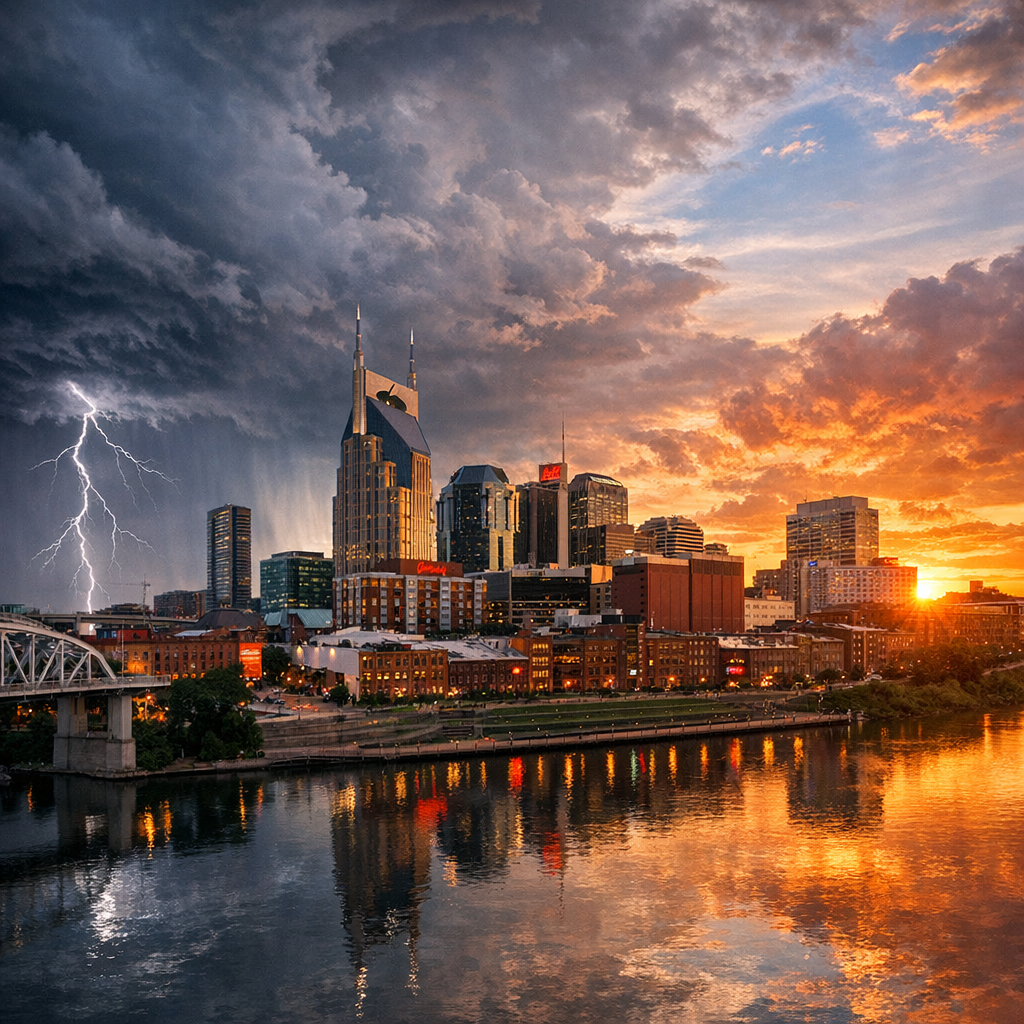
Rain patterns are also shifting. While Nashville has a humid subtropical climate overall, the amount and timing of rainfall are less predictable. The “wet season,” typically lasting from late autumn through spring when most heavy precipitation occurs, now often overlaps with periods of dryness interrupted by intense downpours. That increase in extreme rainfall is what local planners refer to as precipitation “whiplash.”
What’s causing the change
These trends are driven largely by climate change. Warmer air holds more moisture, which boosts humidity and the potential intensity of storms. At the same time, low soil moisture—especially in warm months—can exacerbate droughts even when annual rainfall remains steady or even increases.
Urban factors like the heat island effect—where buildings and pavement retain heat—make warmer nights in the city noticeably more pronounced. Also, Nashville’s position relative to moisture sources like the Gulf of Mexico plays a role in how precipitation systems form.
Impacts we can already see
- Public health and comfort: Higher temperatures and humidity mean more discomfort and health risks during summer—for example, heat stress and worsened air quality, especially for people with asthma or existing respiratory issues.
- Agriculture and gardening: Earlier springs alter planting schedules, while periods of drought or heavy rainfall complicate growing. Soil moisture is increasingly unreliable.
- Ecosystems: Rivers and aquatic life face stress from both fluctuating water levels and rising water temperatures. Native plants and insects adapted to specific seasonal cycles may struggle to adjust.
- Infrastructure and flood risk: Intense storms can overwhelm drainage systems. Conversely, extended dry spells strain water supplies and increase wildland fire risk in surrounding areas.
How Nashville is adapting
The city’s Climate Adaptation and Resilience Plan outlines ways Nashville is preparing for changing precipitation patterns and heat extremes. Measures include improving stormwater systems, conserving green spaces to help offset heat islands, and enhancing drought preparedness. Local policy also emphasizes building design and zoning that take heat and water risks into account.
On a personal level, residents can help by conserving water during dry times, supporting tree planting to increase shade and reduce heat, and monitoring severe weather advisories closely as patterns become more variable.
What to watch for
• Expect later first frost dates and earlier last frosts—an indicator many gardeners track.
• Monitor rainfall timing: years with long dry spells followed by intense storms may become the norm.
• Pay attention to nighttime temperatures, which often reflect warming trends more than daytime highs.
• Keep informed about local climate action plans and opportunities to engage—resilience often starts at community level.
As Nashville continues to evolve, so too will its weather, seasons, and environmental rhythm. Recognizing the shifts now helps us adapt wisely for the future.