

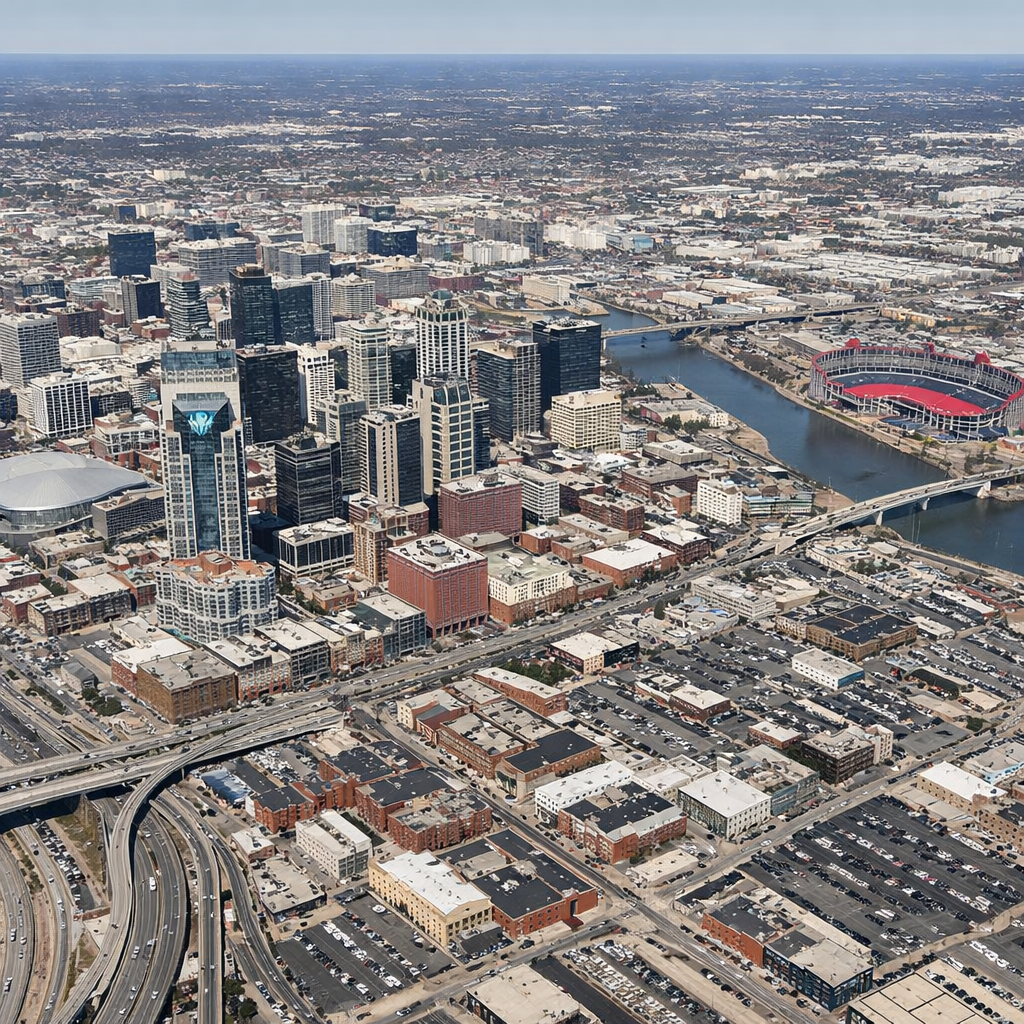
Nashville’s rapid urbanization has brought about numerous benefits, but it has also intensified the urban heat island (UHI) effect—a phenomenon where urban areas experience higher temperatures than their rural surroundings. This effect is primarily due to the abundance of heat-absorbing materials like asphalt and concrete, combined with limited vegetation.
Causes of the Urban Heat Island Effect
Several factors contribute to the UHI effect in Nashville:
- Impermeable Surfaces: Materials such as asphalt and concrete absorb and retain heat, leading to elevated temperatures.
- Building Density: Closely packed structures can trap heat and reduce airflow, preventing natural cooling.
- Human Activities: Energy consumption from vehicles, air conditioning, and industrial processes generates additional heat.
- Lack of Green Spaces: Limited vegetation means less shade and evapotranspiration, both of which help cool the environment.
Impacts on the Community
The UHI effect has several implications for Nashville residents:
- Health Risks: Increased temperatures can lead to heat-related illnesses, particularly among vulnerable populations.
- Energy Consumption: Higher temperatures result in greater use of air conditioning, leading to increased energy demand and costs.
- Environmental Concerns: Elevated temperatures can exacerbate air pollution and contribute to the formation of ground-level ozone.
Mitigation Strategies
To combat the UHI effect, Nashville can implement several strategies:
- Enhancing Green Spaces: Planting trees and creating parks can provide shade and promote cooling through evapotranspiration.
- Cool Roofing and Pavements: Using reflective materials for roofs and pavements can reduce heat absorption.
- Urban Planning: Designing buildings and streets to improve airflow can help dissipate heat.
- Community Engagement: Educating residents about the UHI effect and encouraging participation in greening initiatives can foster a collective effort to cool the city.
By understanding and addressing the urban heat island effect, Nashville can work towards creating a more comfortable and sustainable environment for all its residents.