

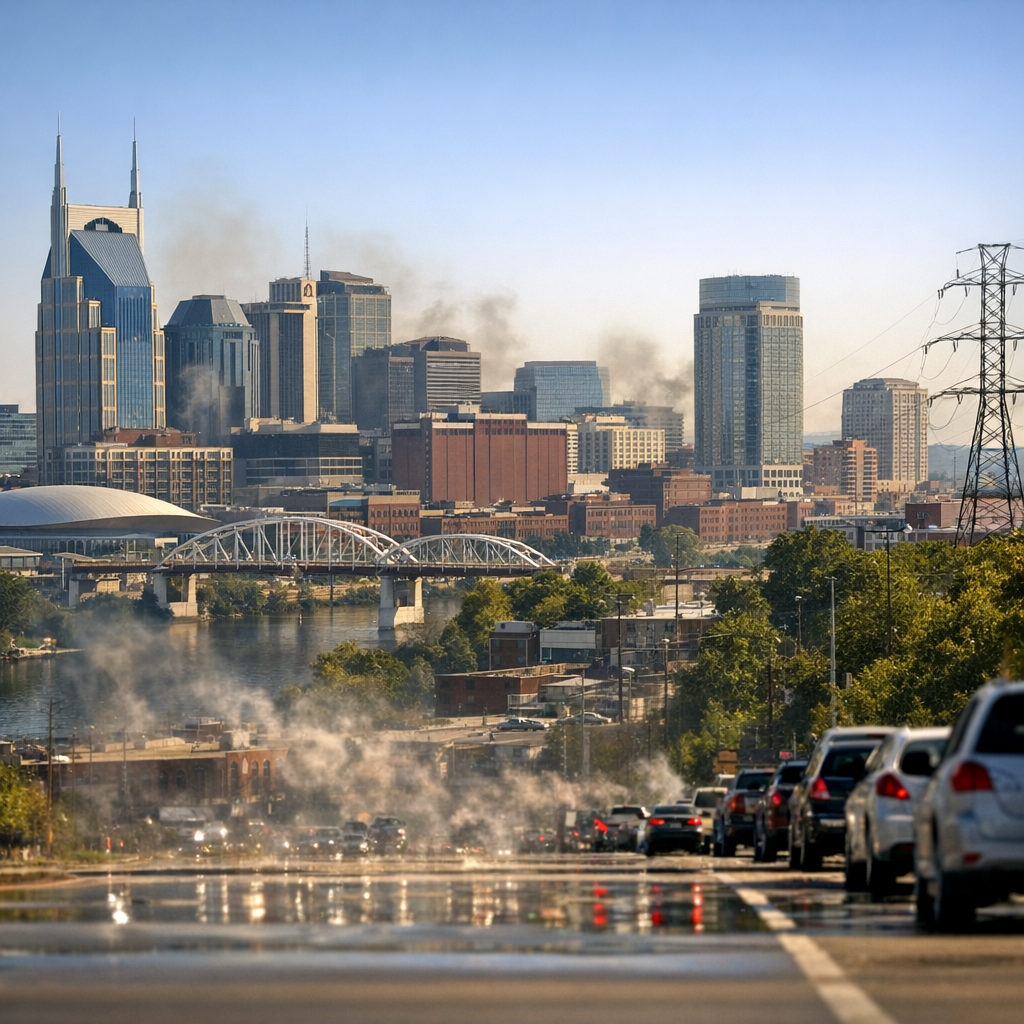
Nashville, Tennessee, experiences a humid subtropical climate characterized by four distinct seasons, each bringing unique weather patterns and environmental considerations.
Seasonal Weather Patterns
Spring (March – May)
Spring in Nashville is marked by rapidly warming temperatures and increased precipitation. Average temperatures rise from the low 60s°F (16°C) in March to nearly 80°F (27°C) by late May. This season is also the wettest, with May typically being the rainiest month. Additionally, Nashville lies within “Dixie Alley,” making it prone to severe thunderstorms and tornadoes during this period.
Summer (June – August)
Summers are hot and humid, with average highs in the upper 80s°F (31°C). The city often experiences heat waves, and the urban heat island effect can make temperatures feel even warmer. Residents should be cautious of heat-related illnesses during this time.
Autumn (September – November)
Autumn brings cooler temperatures and reduced humidity. Average highs decrease from the mid-80s°F (29°C) in September to the mid-60s°F (18°C) by November. This season is generally drier, providing a pleasant climate for outdoor activities.
Winter (December – February)
Winters are mild to cool, with average highs in the upper 40s°F (8°C) and lows in the low 30s°F (-1°C). Snowfall is infrequent but possible, and occasional cold snaps can bring temperatures below freezing.
Environmental Challenges
Urban Heat Islands
Urban development has led to the creation of heat islands in Nashville, where temperatures can be significantly higher than in surrounding rural areas. Approximately 71% of residents live in these heat-prone neighborhoods, which can exacerbate health issues during heat waves.
Air Quality Concerns
Nashville faces challenges with air quality, particularly concerning ground-level ozone. The American Lung Association’s recent report assigned the metro area an F grade for ozone pollution, ranking it 66th worst in the nation. This poses health risks, especially for children and outdoor workers.
Conclusion
Understanding Nashville’s climate and environmental challenges is essential for residents and visitors alike. Staying informed about seasonal weather patterns and taking proactive measures can help mitigate the impacts of these environmental factors.