

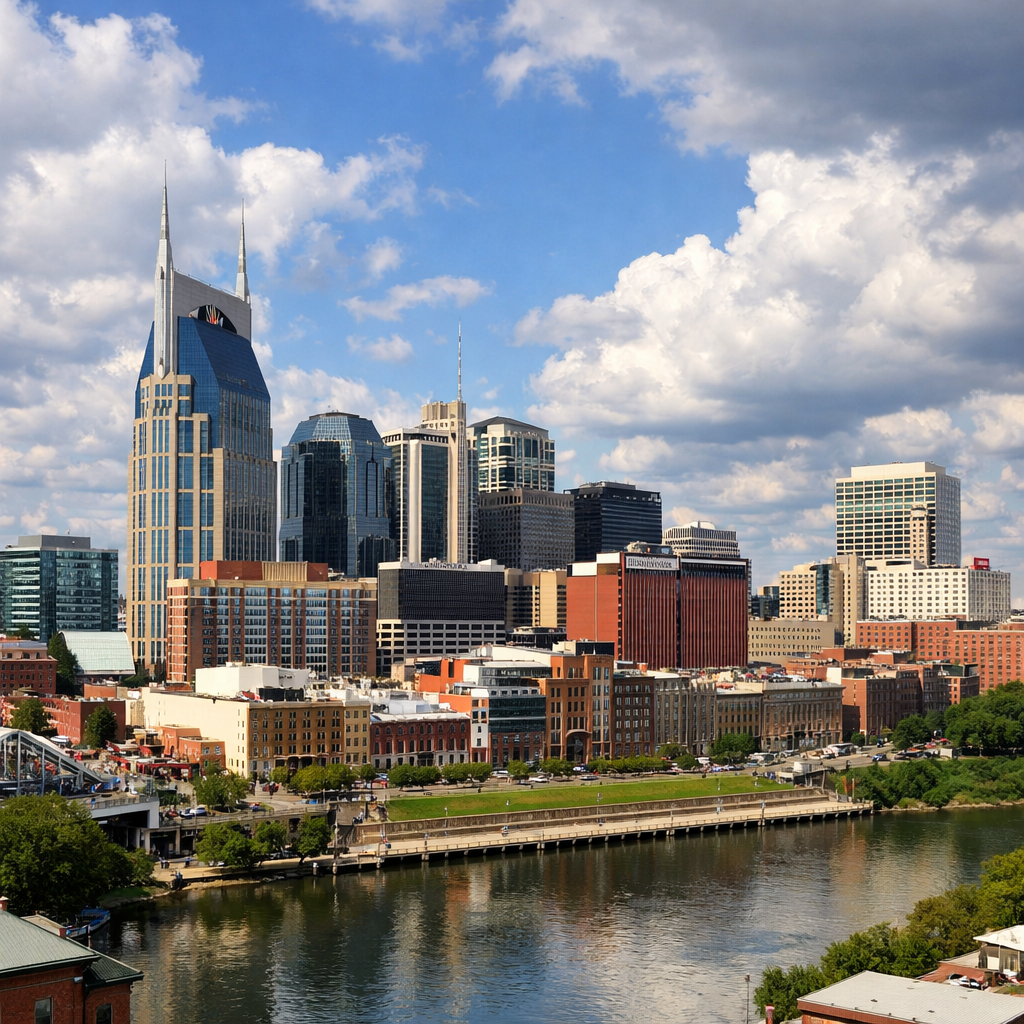
Nashville, Tennessee, experiences a humid subtropical climate characterized by hot, humid summers and mild to cool winters. Understanding the city’s weather patterns and environmental challenges is essential for residents and visitors alike.
Seasonal Weather Patterns
Summer
Summers in Nashville are typically hot and humid, with average high temperatures around 89°F (32°C) in July. The season often brings thunderstorms, contributing to the city’s annual rainfall.
Winter
Winters are generally mild, with average low temperatures around 31°F (-0.5°C) in January. Snowfall is infrequent but possible, and ice storms can occur, leading to hazardous conditions.
Spring and Fall
Spring and fall offer moderate temperatures and are considered the most pleasant times of the year. These seasons are marked by blooming flora in spring and vibrant foliage in fall.
Environmental Challenges
Heat Waves and Urban Heat Islands
Nashville has experienced an increase in extreme heat events. Urban heat islands—areas with higher temperatures due to dense infrastructure and limited green spaces—exacerbate this issue. Approximately 71% of residents live in these heat-prone neighborhoods, making heat mitigation efforts crucial.
Flooding
The city is susceptible to flooding, particularly during heavy rainfall events. The May 2010 flood, which resulted in significant damage and loss of life, underscores the importance of flood preparedness and resilient infrastructure.
Severe Storms
Severe storms, including tornadoes and ice storms, pose risks to the area. The city has faced challenges in responding to such events, highlighting the need for effective communication and emergency planning.
Climate Resilience Initiatives
In response to these challenges, Nashville has developed a Climate Adaptation and Resilience Plan. This plan focuses on preparing the city for climate-related hazards and enhancing the resilience of its communities and infrastructure.
By staying informed about Nashville’s climate and supporting local resilience efforts, residents can contribute to a safer and more sustainable community.