

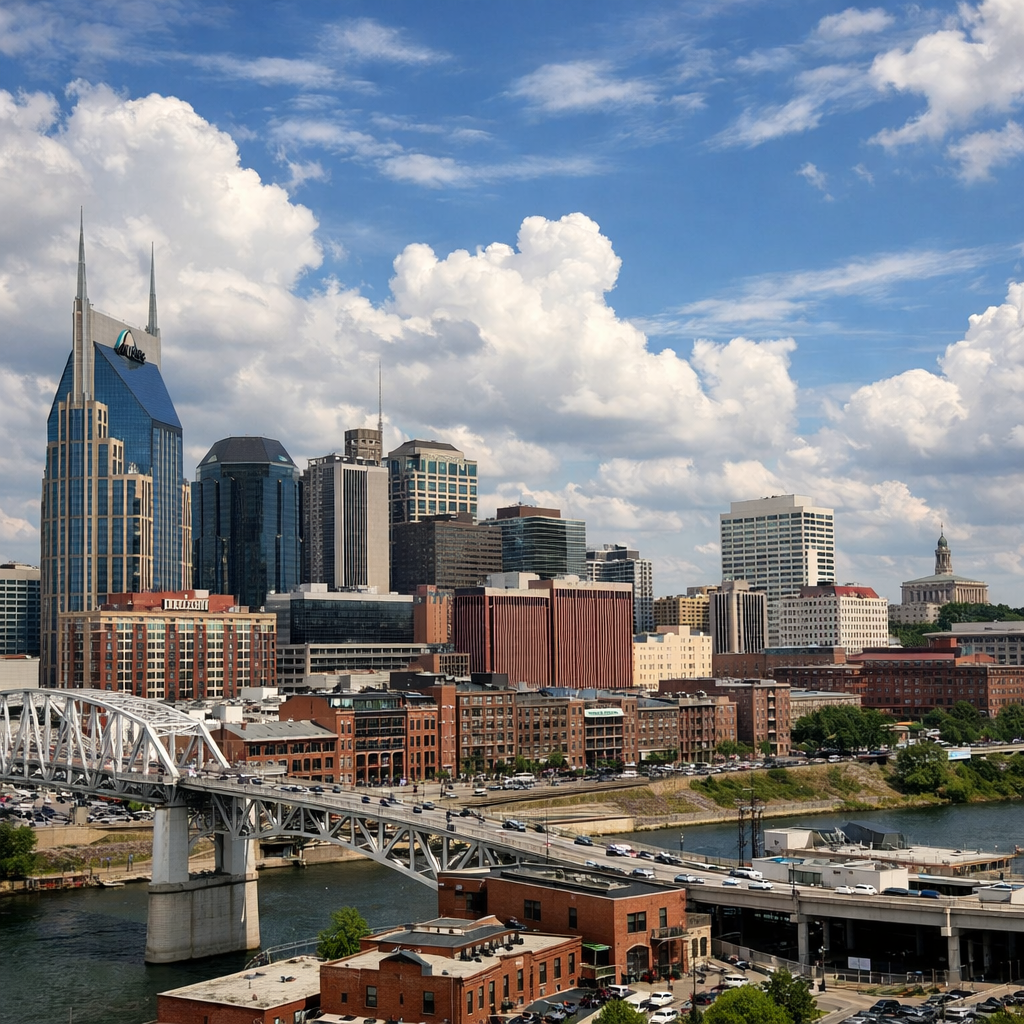
Nashville, Tennessee, experiences a humid subtropical climate characterized by hot, humid summers and mild to cool winters. This climate brings a variety of weather patterns throughout the year, each with its own unique characteristics.
Seasonal Weather Patterns
Summer
Summers in Nashville are typically hot and humid, with average high temperatures reaching around 89°F (31.3°C) in July. The season often brings frequent thunderstorms, contributing to the city’s highest monthly precipitation levels during this period. Residents should be prepared for sudden weather changes and stay informed about potential severe weather alerts.
Winter
Winters are generally mild, with average low temperatures in January around 30.6°F (-0.8°C). While snowfall is relatively rare, the city does experience occasional winter storms that can disrupt daily activities. It’s advisable to stay updated on weather forecasts during the winter months to anticipate any significant weather events.
Spring and Fall
Spring and fall offer more moderate temperatures and are often considered the most comfortable seasons. These periods are ideal for outdoor activities, as the weather is typically pleasant with lower humidity levels compared to summer.
Environmental Challenges
Nashville faces several environmental challenges, particularly related to climate change. The city has experienced an increase in extreme weather events, including heatwaves and heavy rainfall leading to flash floods. These events pose risks to infrastructure, public health, and the local economy.
Urban heat islands are a significant concern, with 71% of Nashville residents living in areas that experience higher temperatures due to dense infrastructure and limited green spaces. This phenomenon disproportionately affects historically lower-income communities, where access to air conditioning and other cooling resources may be limited.
In response to these challenges, Nashville has developed a Climate Adaptation and Resilience Plan (CARP) to address the city’s five main climate hazards: flooding, tornadoes, extreme heat, extreme cold, and thunderstorms. The plan aims to enhance the city’s ability to anticipate, adapt to, and recover from climate-driven disruptions.
Understanding Nashville’s climate and the associated environmental challenges is crucial for residents and policymakers alike. Staying informed about weather patterns and supporting local initiatives aimed at building climate resilience can help ensure the city’s continued growth and prosperity in the face of changing environmental conditions.