

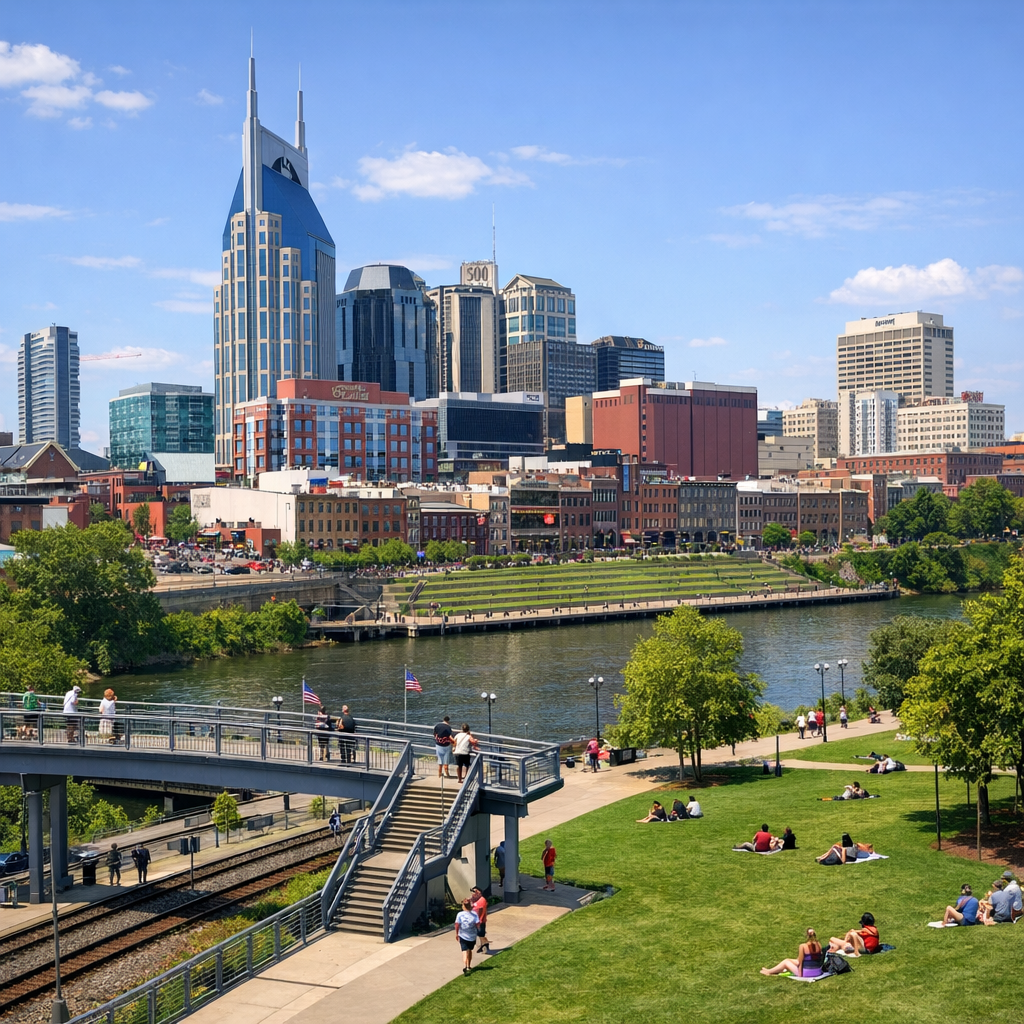
Nashville, Tennessee, experiences a humid subtropical climate characterized by hot, humid summers and mild to cool winters. Understanding these patterns is essential for residents and visitors alike.
Seasonal Weather Patterns
Summer
Summers in Nashville are notably hot and humid, with average high temperatures peaking around 89°F (31.7°C) in July. The season spans from late May to mid-September, often bringing muggy conditions that can make outdoor activities challenging.
Winter
Winters are generally mild, with average low temperatures around 30.6°F (-0.8°C) in January. While snowfall is relatively rare, the city does experience occasional winter storms that can disrupt daily life.
Spring and Fall
Spring and fall offer the most comfortable weather, with moderate temperatures and lower humidity. These seasons are ideal for outdoor events and activities, making them popular times for tourism and local festivals.
Environmental Challenges
Urban Heat Islands
A significant environmental concern for Nashville is the urban heat island effect. Approximately 71% of residents live in areas where infrastructure like buildings and roads absorb and retain heat, leading to higher temperatures compared to surrounding rural areas. This phenomenon disproportionately affects lower-income communities, where access to air conditioning may be limited.
Flooding
Nashville’s location within the Cumberland River basin makes it susceptible to flooding, especially during heavy rainfall events. The city’s rapid growth and development have placed additional pressure on floodplains and stormwater systems, increasing the risk of flood-related damage.
Climate Resilience Efforts
In response to these challenges, Nashville has developed a Climate Adaptation and Resilience Plan (CARP). This plan focuses on preparing the city for climate-related disruptions by addressing vulnerabilities in infrastructure, public services, and communities. Key areas of focus include mitigating the urban heat island effect through increased green spaces and improving flood management systems to protect residents and property.
By understanding Nashville’s climate and the associated environmental challenges, residents can better prepare for seasonal changes and support initiatives aimed at building a more resilient city.