

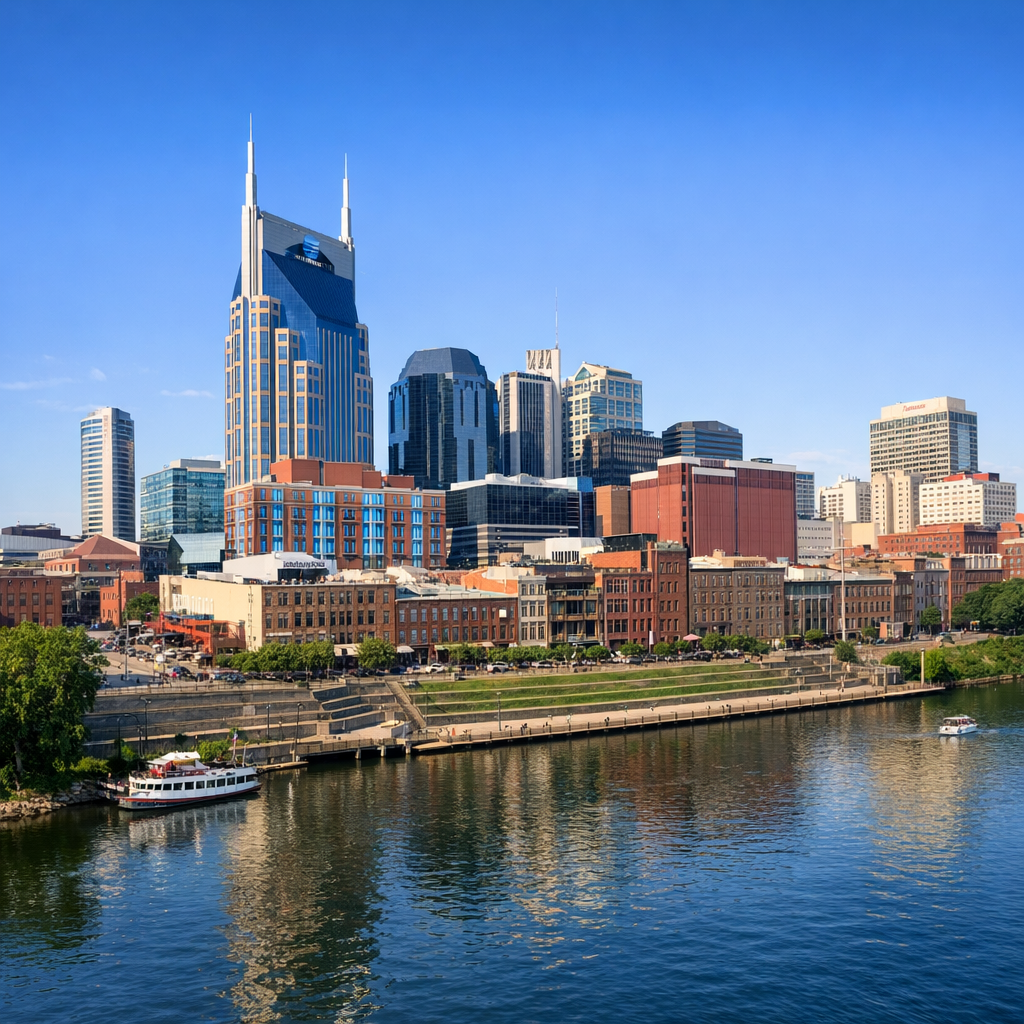
Nashville, Tennessee, experiences a humid subtropical climate characterized by hot, humid summers and mild to cool winters. Understanding the city’s seasonal weather patterns and the environmental challenges it faces is essential for residents and visitors alike.
Seasonal Weather Patterns
Spring (March to May)
Spring in Nashville brings gradually warming temperatures and increased rainfall. Average high temperatures range from the mid-60s°F (18°C) in March to the upper 70s°F (25°C) in May. This season is also marked by blooming flora and occasional thunderstorms.
Summer (June to August)
Summers are typically hot and humid, with average high temperatures in the upper 80s°F (31°C). July is often the warmest month, with highs around 89°F (32°C). Humidity levels can make it feel warmer, and afternoon thunderstorms are common.
Fall (September to November)
Fall offers relief from the summer heat, with temperatures gradually decreasing from the mid-80s°F (29°C) in September to the mid-60s°F (18°C) in November. The season is characterized by crisp air and vibrant foliage.
Winter (December to February)
Winters are generally mild, with average high temperatures in the upper 40s°F (9°C) to low 50s°F (11°C). January is typically the coldest month, with average lows around 30°F (-1°C). Snowfall is infrequent but possible.
Environmental Challenges
Extreme Heat
In recent years, Nashville has experienced an increase in extreme heat events. The city has seen a rise in the number of days with temperatures above 90°F (32°C), posing health risks, especially to vulnerable populations. The urban heat island effect, where urban areas experience higher temperatures than surrounding rural areas, exacerbates this issue.
Intense Rainfall and Flooding
Climate change has led to more intense rainfall events in Nashville. Between 1970 and 2024, the intensity of hourly rainfall in the city increased by 12%. These heavy downpours can result in flash flooding, posing risks to infrastructure and public safety.
Severe Storms
The city is also susceptible to severe storms, including thunderstorms and tornadoes. Certain conditions favorable to these events are occurring more often, increasing the frequency and intensity of such storms.
Building Climate Resilience
Recognizing these challenges, Nashville has developed a Climate Adaptation and Resilience Plan (CARP) to prepare for and adapt to the changing climate. The plan focuses on five main climate hazards: flooding, tornadoes, extreme heat and heat waves, extreme cold and winter storms, and thunderstorms. It aims to build adaptive capacity across the city’s built environment, natural environment, communities, economic systems, and public services.
Understanding Nashville’s climate and the environmental challenges it faces is crucial for fostering a resilient and sustainable community. By staying informed and proactive, residents can better prepare for and adapt to the evolving climate conditions.