

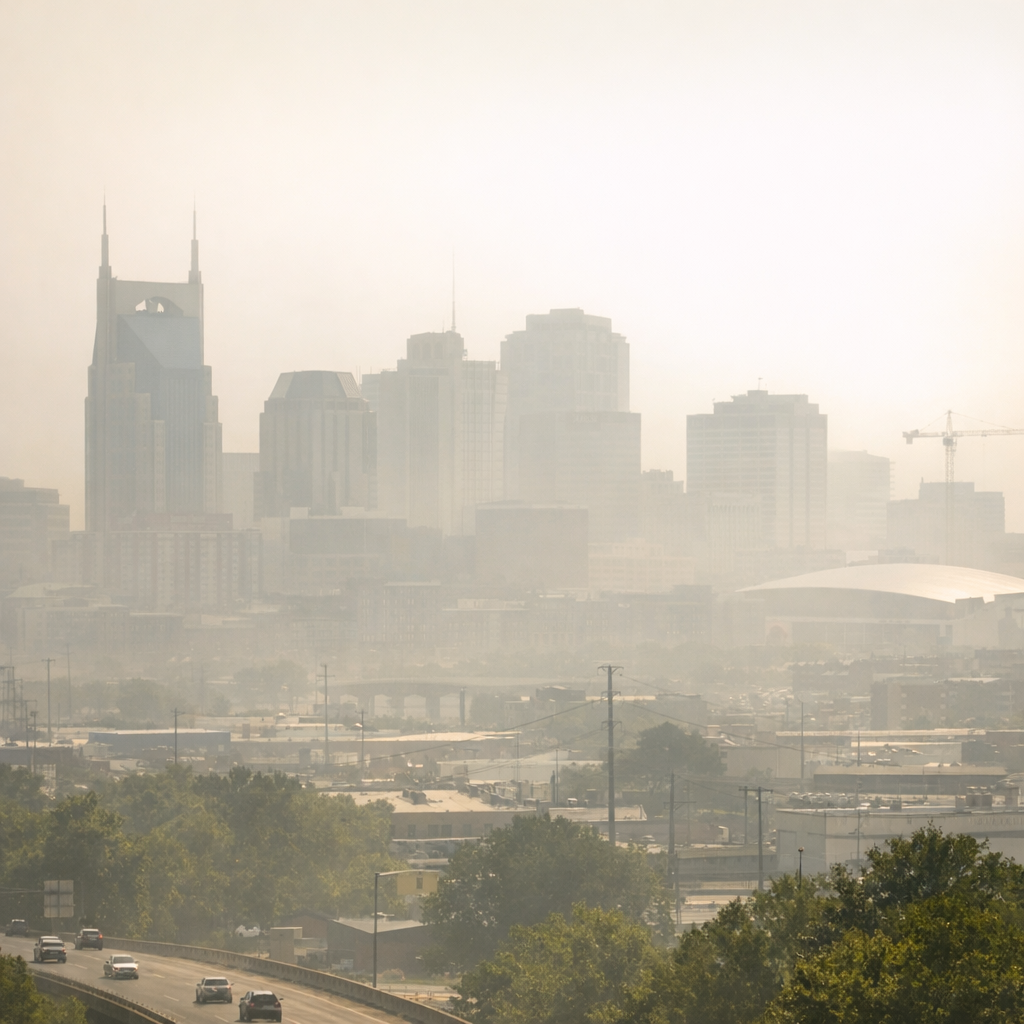
Nashville, Tennessee, experiences a humid subtropical climate characterized by four distinct seasons, each bringing unique weather patterns and environmental considerations.
Seasonal Weather Patterns
Spring (March – May)
Spring in Nashville is marked by warming temperatures and increased rainfall. Average temperatures rise from the low 60s°F (16°C) in March to nearly 80°F (27°C) by late May. This season is also the wettest, with May typically being the rainiest month. Additionally, Nashville’s location within “Dixie Alley” makes it prone to severe thunderstorms and tornadoes during this period.
Summer (June – August)
Summers are hot and humid, with average high temperatures peaking around 91°F (33°C) in July. The city often experiences high humidity levels, leading to heat indices that can make it feel even hotter. These conditions can pose health risks, particularly for vulnerable populations.
Fall (September – November)
Fall brings a gradual cooling, with temperatures dropping from the mid-80s°F (29°C) in September to the low 60s°F (16°C) by November. This season is generally drier, offering pleasant weather and vibrant foliage.
Winter (December – February)
Winters are relatively mild, with average highs in the low 50s°F (10°C) and lows around 30°F (-1°C). Snowfall is infrequent, averaging about 4.7 inches annually, but occasional cold snaps can bring freezing temperatures and winter storms.
Environmental Challenges
Urban Heat Islands
A significant portion of Nashville’s population resides in urban heat islands—areas where infrastructure like buildings and roads absorb and retain heat, leading to higher temperatures compared to surrounding rural areas. This effect is exacerbated by the city’s declining tree canopy, which has decreased from 43% to 38% since 2010 due to rapid development. Efforts to mitigate this include increasing green spaces and implementing reflective pavement coatings.
Air Quality Concerns
Nashville faces challenges with air quality, particularly concerning ground-level ozone, commonly known as smog. The American Lung Association’s recent report assigned the Nashville–Davidson–Murfreesboro metro area an ‘F’ grade for ozone pollution, ranking it 66th worst in the nation. This poses health risks, especially for children, the elderly, and individuals with respiratory conditions.
Climate Resilience Initiatives
Recognizing these challenges, Nashville has been proactive in enhancing its climate resilience. The city has invested over $400 million in flood mitigation projects, including property buyouts and infrastructure improvements. Additionally, initiatives to increase urban greenery and promote sustainable development aim to combat the urban heat island effect and improve air quality.
Understanding Nashville’s climate and environmental challenges is crucial for residents and policymakers alike. By staying informed and supporting local sustainability efforts, we can work towards a healthier and more resilient community.