

By Mason Martinez
How Nashville’s Climate Is Shifting
Over the past few decades, Nashville has experienced clear and measurable changes in its weather and environment. Average summer highs have climbed modestly, while winter temperatures have risen more significantly—longer growing seasons and fewer days with freezing temperatures are just two outcomes of this shift. These changes reflect broader warming trends documented across Tennessee and the southeastern U.S. that involve increases in extreme heat and altered precipitation patterns.
Precipitation & Storm Patterns
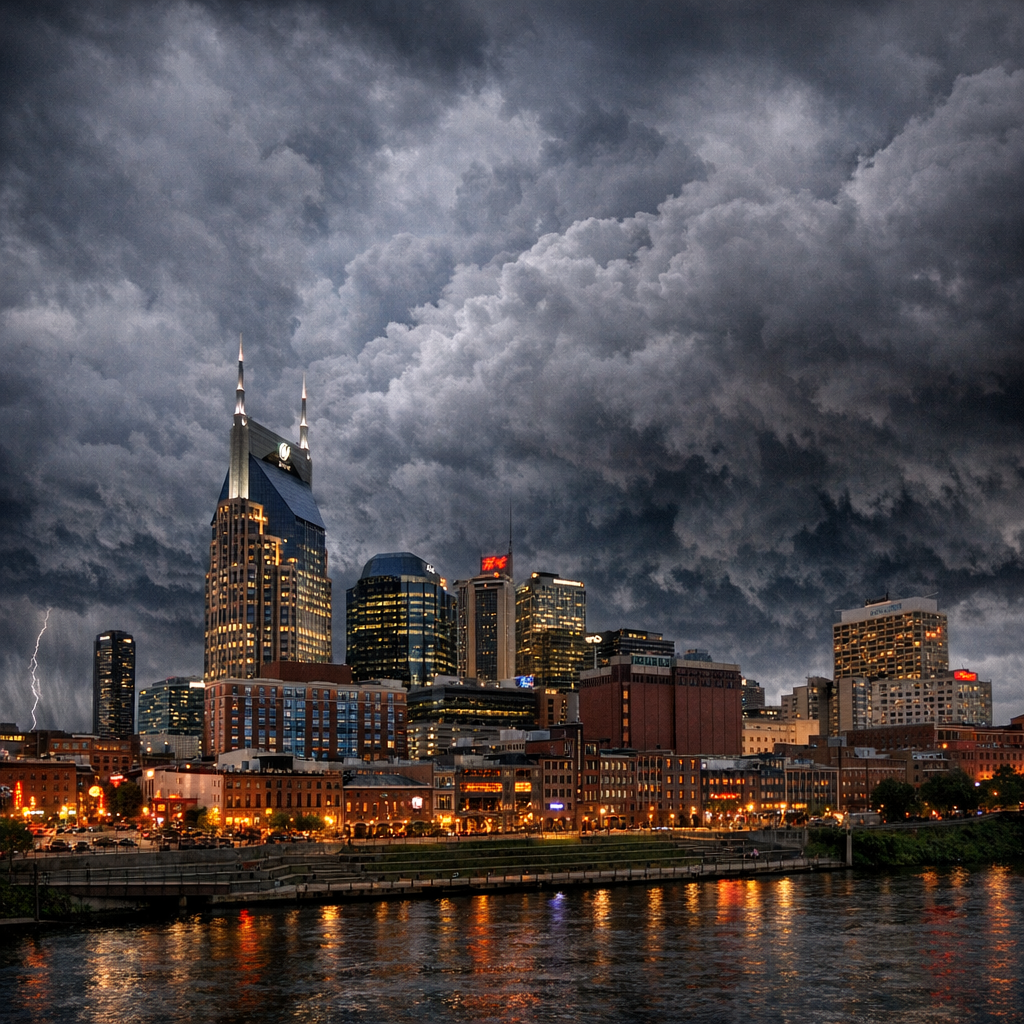
Rainfall in Middle Tennessee falls throughout the year, but the wettest months tend to be late winter through spring. A secondary peak in storm activity often occurs in summer, driven by thunderstorms. Autumn, by contrast, often brings relatively drier conditions. Still, the intensity of rainfall during individual storms is rising, posing a greater risk of flash flooding, particularly when heavy downpours happen over saturated ground.
Risks We’re Facing
Heat with Humidity
High heat combined with high humidity amplifies stress on human health. Metro Nashville tracks heat index thresholds because days with temperatures over about 99°F—and similarly hot spells—can strain vulnerable populations, like the elderly, children, and those without reliable cooling options.
Flooding & Water Stress
Storms that drop heavy rain in short periods are becoming more common. Those tend to challenge local drainage systems, flood low-lying areas, and affect the availability and quality of water. During drier stretches, heat and shifting precipitation patterns also influence drought risks and water supply stress in the city and surrounding rural zones.
Air Quality & Allergens
Air pollution remains a concern on hot, stagnant days—ozone levels can rise, and particulates lingering in the air can contribute to respiratory issues. Longer growing seasons and warmer springs mean pollen seasons start earlier and last longer, affecting folks with allergies.
How Nashville Is Responding
The city has adopted a Climate Adaptation and Resilience Plan that focuses on preparing for more heat, storm risks, and the social impacts of climate change. Strategies include improving green infrastructure to manage stormwater, increasing tree canopy in heat-vulnerable neighborhoods, and reviewing building standards to handle rising temperatures more safely.
What You Can Do Locally
- Plant native trees or support local tree-planting efforts—shade helps reduce heat and absorbs stormwater.
- Stay informed—track air quality and heat advisories, and act accordingly.
- Manage landscaping to reduce runoff, and consider rain barrels or gardens designed to absorb water.
- Conserve water during dry periods—simple steps like fixing leaks and choosing resilient plants can add up.
- Advocate for local and city policies that prioritize climate resilience, green space, and clean energy.
Looking Ahead
Nashville’s weather and environment are not static—the trends we’re seeing now reflect a changing climate. What is certain is that cities, communities, and individuals have roles to play. The more we plan and act, the better prepared we’ll be for hotter summers, stronger storms, and evolving ecosystems. The goal isn’t to prevent change—it’s to build resilience in the face of it.