

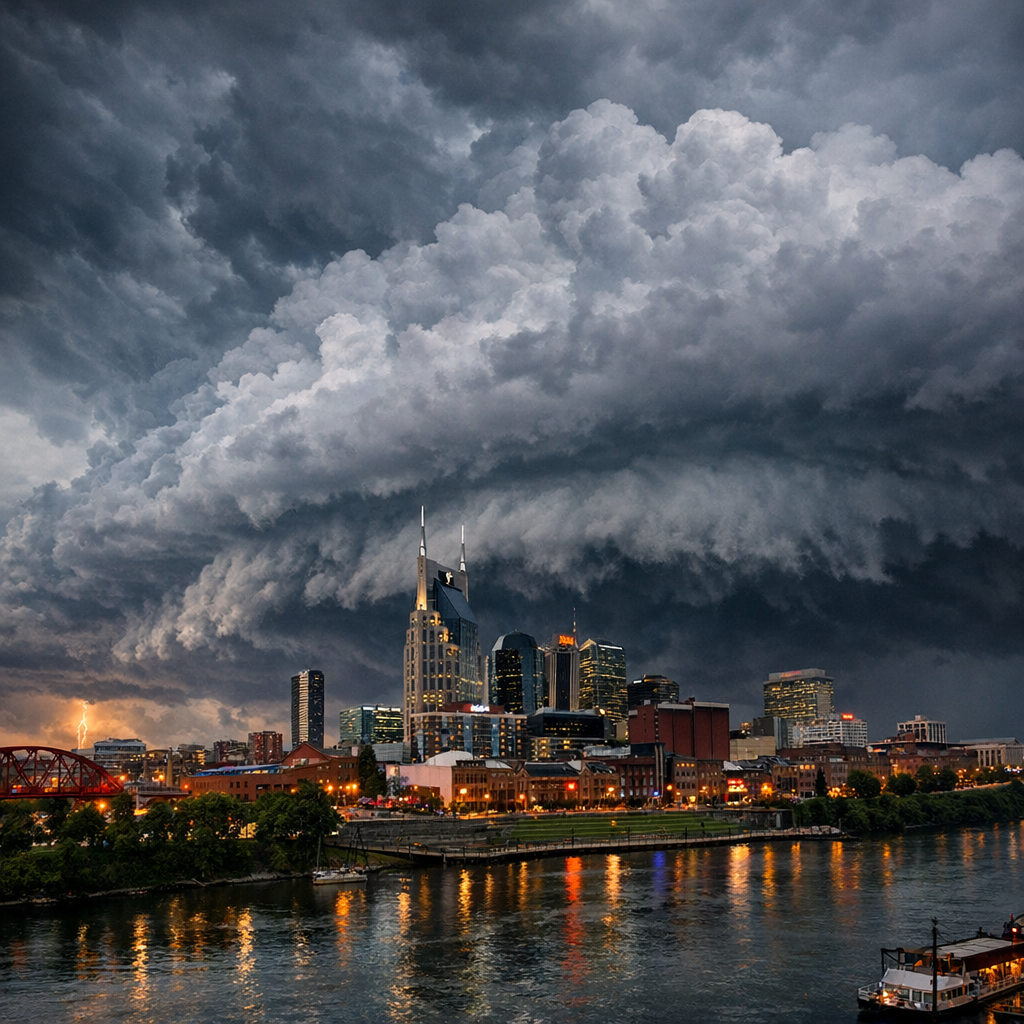
Hi everyone—Mason Martinez here with a closer look at the ongoing weather and environmental trends that are quietly reshaping life in Nashville and Middle Tennessee. From warming winters to heavier storms, understanding these shifts can help all of us better prepare and adapt.
Gradual Warming and What It Means
Over the last several decades, average temperatures in Tennessee have slowly crept upward. While the increase isn’t dramatic—about half a degree Fahrenheit over the last century—it’s enough to influence growing seasons, pollen cycles, and energy demand. Warmer winters may mean fewer days below freezing, but they can also lead to unpredictable cold snaps that strain infrastructure and disrupt natural rhythms.
Rainfall Patterns and Rising Risks
Alongside temperature shifts, rainfall is showing new patterns. There’s more year-to-year variability—periods of heavy rainfall followed by long stretches without enough rain. These swings increase risks of both flash floods and drought, especially for crops or regions without strong water storage systems.
During summer and early fall, parts of West and Middle Tennessee have already been experiencing rapidly developing drought conditions during dry spells. Meanwhile, heavy storms—especially in spring and winter—continue to bring intense rainfall that can overwhelm drainage systems and erode soil.
Environmental Impacts Across the Landscape
These weather changes ripple through the environment. For forests, longer growing seasons and more humidity in the air can favor certain tree and insect species—sometimes at the expense of native species adapted to cooler, dryer conditions.
Freshwater systems are sensitive too. Warmer water holds less oxygen, which harms cold-water fish species. And more intense rainfall—followed by dry periods—can mean more sediment and runoff entering streams and rivers, impacting water quality for drinking, recreation, and wildlife.
What Nashville Can Do—and What You Can Keep in Mind
Here are some ways the city and residents can adapt:
- Improve urban drainage and flood prevention measures to handle intense storms.
- Choose drought-tolerant landscaping and conserve water, especially during hot, dry periods.
- Support local efforts to monitor air quality and reduce pollution, since heat and humidity amplify health impacts.
- Stay informed about planting deadlines, frost risk, and seasonal pests—helpful for gardeners and farmers alike.
Nashville might not feel like ground zero for dramatic climate shifts yet—but these quieter changes are accumulating, and acting early can make a big difference. I’ll keep sharing updates and tips as things evolve. Until next time, stay weather-wise.