

By Ethan Martinez
As Nashville looks outward to national developments, two major storylines are shaping the United States right now: easing inflation signals from the Federal Reserve report and heated political battles brewing in Congress before the midterm elections.
Inflation Eases, But Still Above Target
The U.S. Consumer Price Index rose by just 0.1% from June to July after a 0.4% drop in June, for a year-over-year increase of 3.4%. Core inflation, which excludes volatile food and energy prices, rose 2.5% annually. Energy prices fell in July while medical care, airline fares, and communication costs ticked higher. These trends suggest the pace of inflation is slowing—but not yet under control.
This cooling has reignited debates about whether the Federal Reserve should hold interest rates steady or cut them. With inflation hovering above the Fed’s long-form target, expectations are mixed among economists and markets. Consumer prices might be easing, but many households are still feeling price pressures in housing, air travel, and basic services.
Congress Faces Tight Deadlines Amid Political Divides
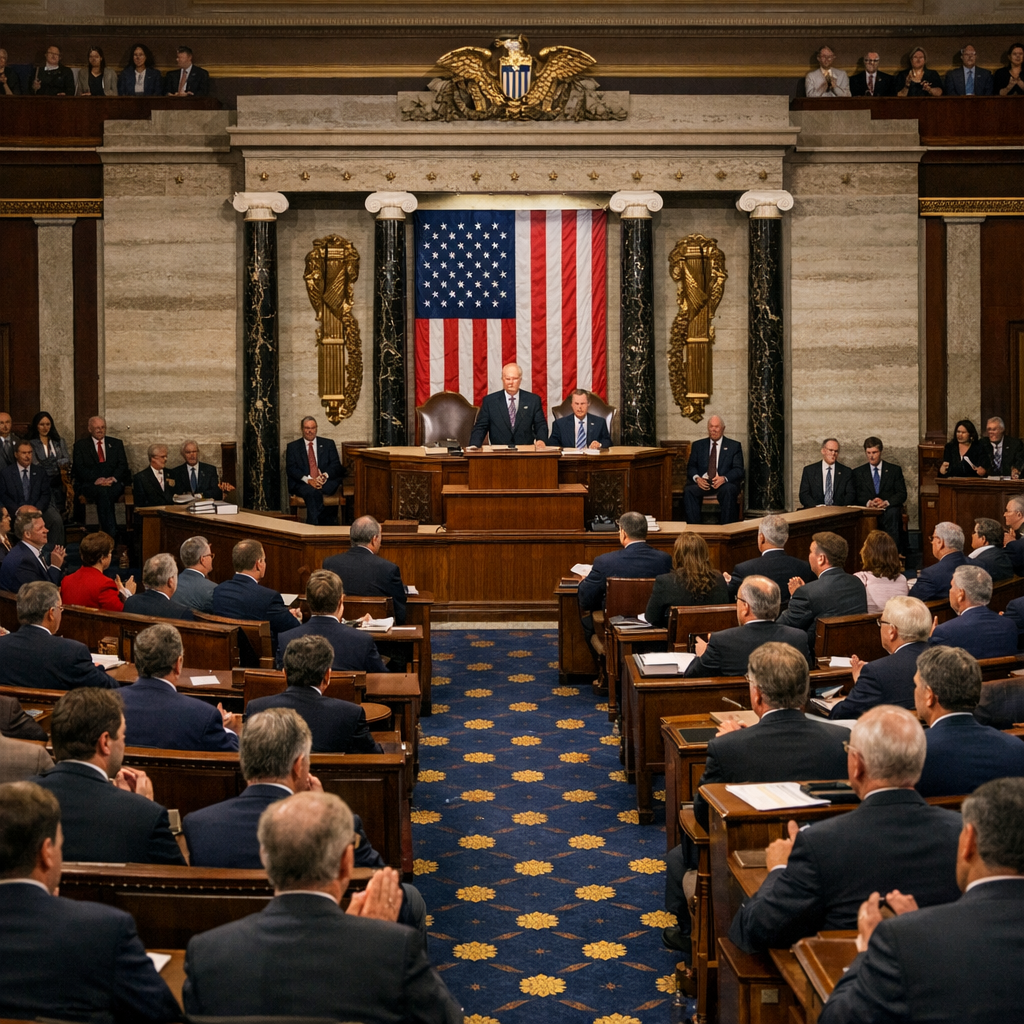
Meanwhile, lawmakers in Congress are racing to tackle multiple priorities before the November midterms. Among the goals in play: funding the Iran war, passing election integrity legislation, and avoiding a government shutdown. But internal divisions among Republicans have complicated efforts to pass major bills, especially where offsetting costs are concerned.
One flashpoint has been the proposed $95 billion reconciliation package, intended to support agriculture, election reform, and national defense. Some members of the GOP have balked over how funds will be offset and whether legislation should include sweeping provisions like the SAVE Act, which would tighten voter ID and registration rules.
What This Means for Americans
For consumers, inflation that’s cooling—but still elevated—means many will continue to face high housing and healthcare costs, despite relief at the gas pump. For politics, the stakes couldn’t be higher: legislative failures or visible dysfunction before the midterms may shift voter sentiment in unexpected ways.
At its core, the issue is uncertainty—uncertainty about where prices are headed and whether the government will act decisively. In Nashville and beyond, keeping an eye on Washington is more than civic duty—it’s about keeping track of forces that shape daily life.