

By Emma Johnson
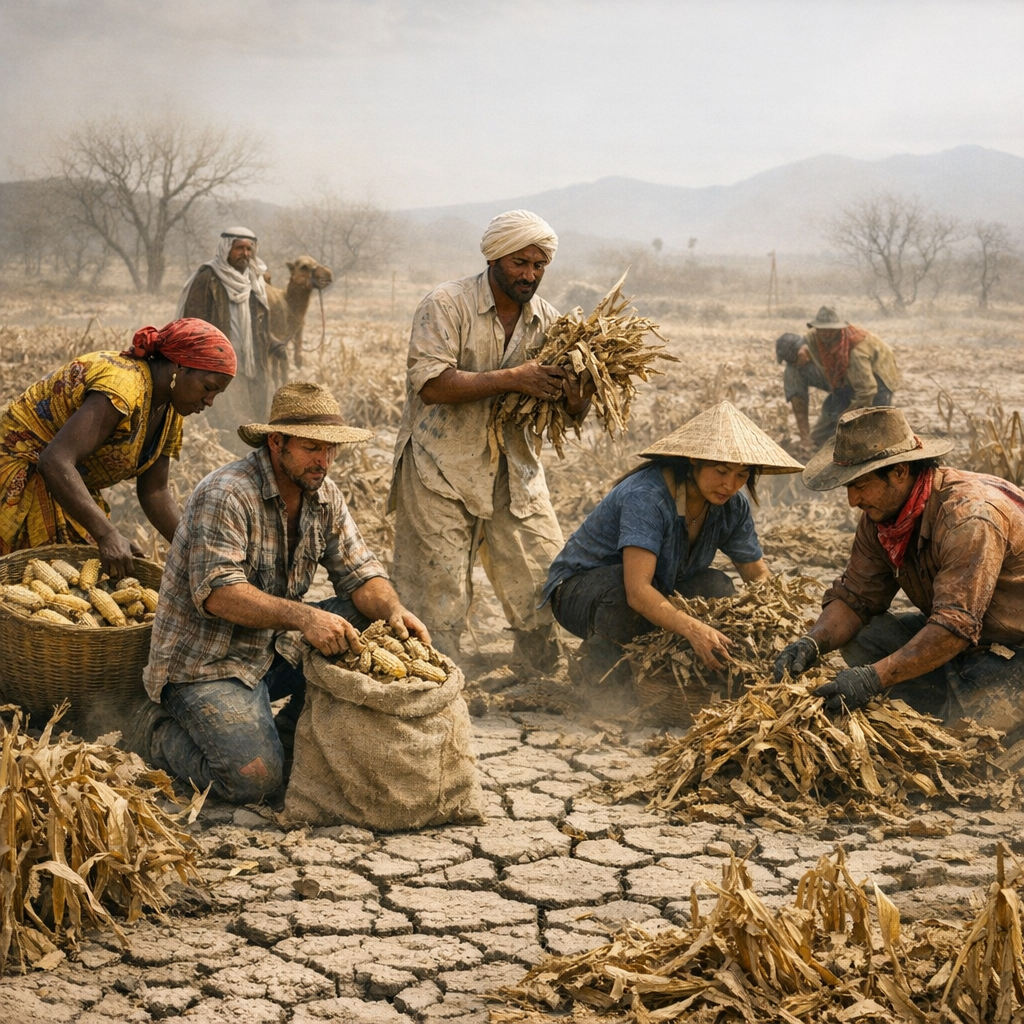
Food insecurity is no longer a distant concern for certain regions—it’s an intensifying global crisis affecting hundreds of millions of people. Alongside powerfully intertwined forces like ongoing conflict, climate disruption, and skyrocketing inflation, many vulnerable communities face mounting threats to basic sustenance.
Conflict and instability as root causes
According to recent reports, dozens of countries are grappling with acute hunger, with a core group—Afghanistan, Yemen, South Sudan, Syria, the Democratic Republic of Congo, among others—accounting for a large share of these cases. Conflict is the primary driver, disrupting food production, supply chains, and aid delivery systems. In some places, famines have been declared in multiple regions in the same year—an unprecedented development.
Economic pressures and cost barriers
Even where food is grown or imported, affordability is a growing barrier. Inflation in food, energy, and fertilizer is pushing up costs for farmers and consuming households alike. Many small-scale farmers dependent on fuel or imported fertilizer are especially impacted, while consumers in low-income nations must often sacrifice nutrition or skip meals simply to make ends meet.
Climate change magnifies risks
Heightened climate extremes—droughts, floods, unseasonal heat—are amplifying food insecurity around the world. Regions previously considered relatively safe are now slipping toward vulnerability. Rising temperatures and degraded soil reduce yields, while changing weather patterns make planning ever more difficult.
Promises, policy gaps, and what’s at stake
International bodies have produced assessments and frameworks—like the UN’s State of Food Security and Nutrition and major climate treaties—to monitor, propose, and guide action. But reports show that despite modest progress, the speed and scale of response are not keeping pace with the mounting crisis. Targets for drastically reducing hunger by 2030 still hang in the balance.
What can be done—and how local voices matter
Addressing global food insecurity requires coordination at many levels: strengthening local food systems, improving access to resilient farming practices, investing in clean energy, and reducing dependency on volatile global supply chains. Support for farmers, especially in the Global South, is critical—through both aid and better policy frameworks. Meanwhile, each story, each voice, each local insight plays a role in shaping a more equitable path forward for all communities.