

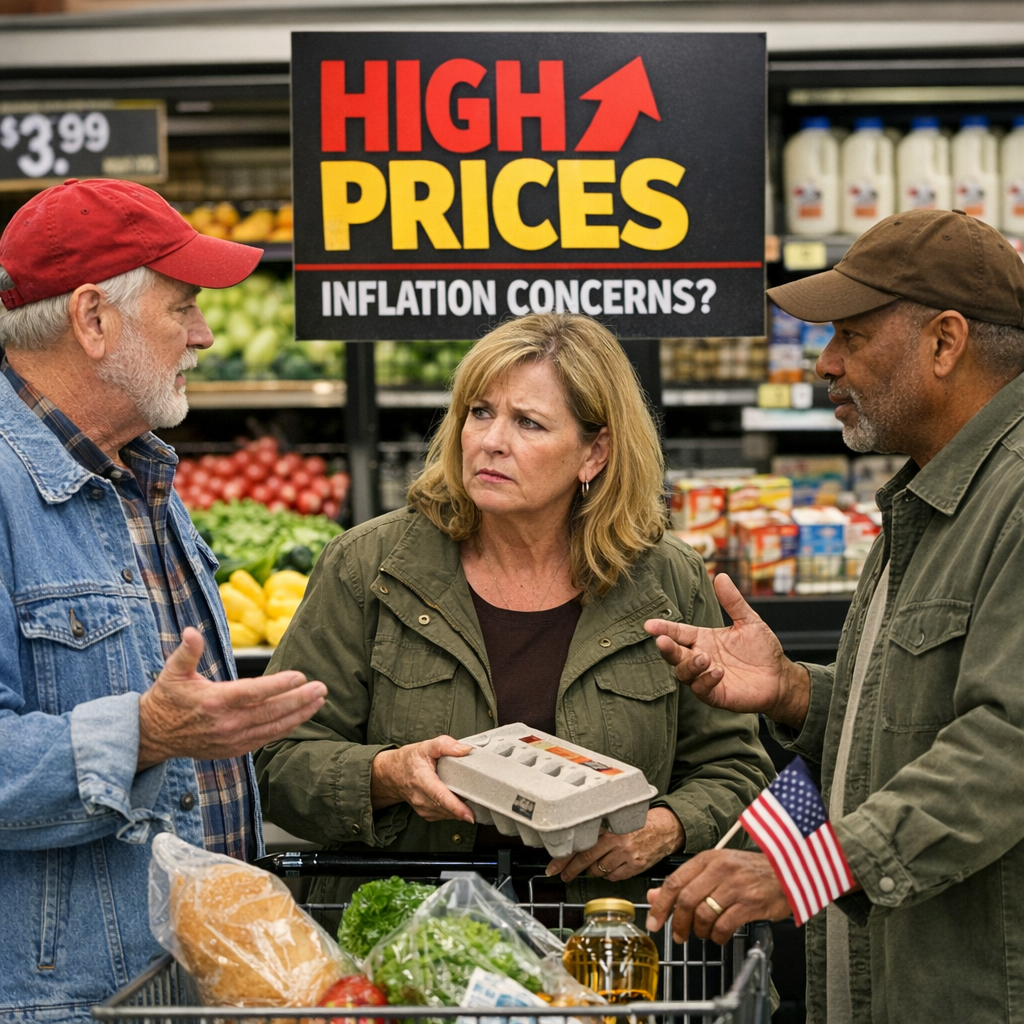
Washington is listening. As the 2026 midterm elections draw closer, Americans are increasingly vocal about what matters most: the cost of living. From rising prices at the grocery store to worries about medical bills, tensions are building under the surface of national politics.
Economic Discontent Grows
A recent Pew Research Center survey indicates that only about a quarter of Americans—24%—rate the country’s economic condition as “excellent” or “good.” A significant portion—35%—say it’s “poor.” Concerns have sharpened around Trump administration policies; 60% say they believe these policies have made economic conditions worse. Among Republican-leaning voters, less optimism exists compared to earlier in the term. Meanwhile, Democrats almost uniformly say conditions have declined. Inflation continues to be a thorny issue, especially as prices for groceries, housing, health care, and energy stay elevated. Skyrocketing gas costs, in particular, have surged into view as a major concern.
Voters Reach Beyond the Economy
While economic issues top the list, they don’t stand alone. Polls show health care costs and access remain deeply troubling for many, often landing just behind inflation and affordability as priorities. Immigration too holds a prominent place in the public’s view, especially in states where border policy or labor markets are more directly impacted. And yes—concerns about government performance, leadership, and transparency continue to erode trust among many Americans.
What This Means for the Midterms
All this adds up to a potent mix for the elections ahead. Voters say they want candidates who speak plainly about affordability, not just overarching economic plans. Localized cost pressures—rent, gas, utility bills—are driving engagement just as much as federal policy debates. For candidates, this means policy proposals will be judged down at the household level: “How will this affect my budget?”
One key trend: neither party holds a definitive advantage on economic issues. According to recent data, 37% of U.S. adults say they align more with the Democratic Party’s economic policies, 36% with Republicans’. That tight split suggests battleground races will remain competitive and that messaging—more than ever—matters.
With parties proceeding into the fall campaign season, expect a sharpened focus on these economic stories—rising prices, health care costs, and housing—as central themes. For voters, solutions are becoming more important than ideology.