

Across the United States, two major forces are converging right now: the continued struggle to tame inflation, and sweeping legal decisions that are altering how elections work. Together, they’re setting the tone for politics and the economy through the rest of this year and beyond.
Inflation: “Mixed Signals, Persistent Pressure”
The inflation picture remains messy. According to the most recent data from the Bureau of Labor Statistics, consumer prices rose just 0.1% in July. That’s better than many feared—but over the past year, prices are still up more than 3% when adjusted for seasonal factors. Core inflation—excluding volatile food and energy items—also stayed elevated. Shelter costs and prices for services outside of housing are major contributors.
Meanwhile, the Federal Reserve, under Chairman Kevin Warsh, has made it clear that more rate hikes are possible if inflation doesn’t begin to ease more clearly.
What this means for everyday life
That kind of inflationary environment feeds into everything from how much groceries cost to mortgage rates and the affordability of everyday goods. Consumers have been feeling the squeeze—growth in wages is happening, but after adjusting for inflation, gains are much smaller than they look on paper.
Legal Shifts Reshaping the Political Landscape
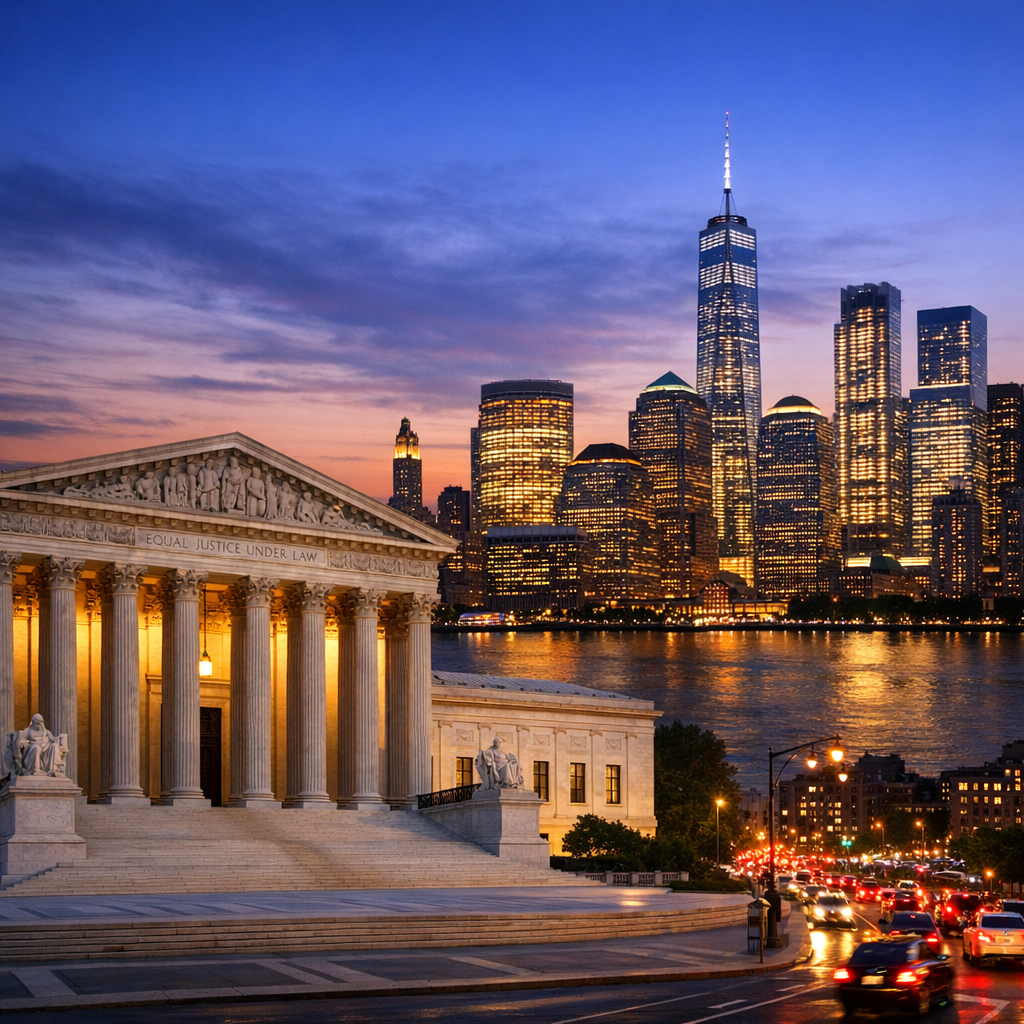
On the legal front, several Supreme Court rulings have started to change how elections are run—and who holds power. One big change eliminated limits on how much political parties may spend in coordination with their own candidates. Another gave presidents more authority over federal agency heads, removing longstanding protections that had previously limited executive power. These decisions come in the run-up to midterm elections and directly affect voting rights, map drawing (redistricting), and campaign finance. As one expert put it, we’re seeing “wins for the conservative majority,” but also important limits imposed in certain areas.
Upcoming stakes
The court’s rulings aren’t just academic—they will shape campaigning, voting access, and the role of independent agencies across the country. These changes are closely watched in places where voting by mail, minority representation, or campaign funding were already contentious. What lawmakers, state election officials, and the courts do next will determine how much these shifts affect voting behavior and governance.
Looking Ahead: Economic and Electoral Terrain to Watch
Here are some of the themes worth watching:
- Inflation control vs. growth risk: If inflation doesn’t soften, the Fed may raise rates again, which could slow economic growth.
- Household budgets under pressure: Rising rent, energy, and healthcare costs could suppress consumer spending and weigh on growth.
- Campaign finance and electoral access: With spending limits loosened and voting rules changing in some states, disparities in election administration may widen.
- Regulatory reach: As presidents gain power over agency leadership, the balance between independent regulation and political influence is being tested.
For those of us in Nashville—and everywhere else—there’s a lot at stake in how these national trends play out. From how far a paycheck goes to the rules of the road for voting, the choices being made in Washington and the courts are ones we’re going to feel very personally.