

By Mason Martinez
In Nashville and Middle Tennessee, weather patterns and environmental conditions have been subtly shifting in ways that carry big impacts. From changes in temperature to rising risks of flooding, understanding what’s different helps our communities adapt and thrive.
Temperature Trends: Winters Growing Milder, Summers Intensifying
Over the past few decades, winter in Nashville has become noticeably milder. What used to be typical freezing nights are less common—and when cold snaps do hit, they’re usually shorter-lived. Meanwhile, summer days are becoming hotter, with increased humidity amplifying the discomfort and impacts on public health. These shifts result in longer growing seasons, aiding some plants and pests alike.
Rainfall Patterns: From Steady to Intense
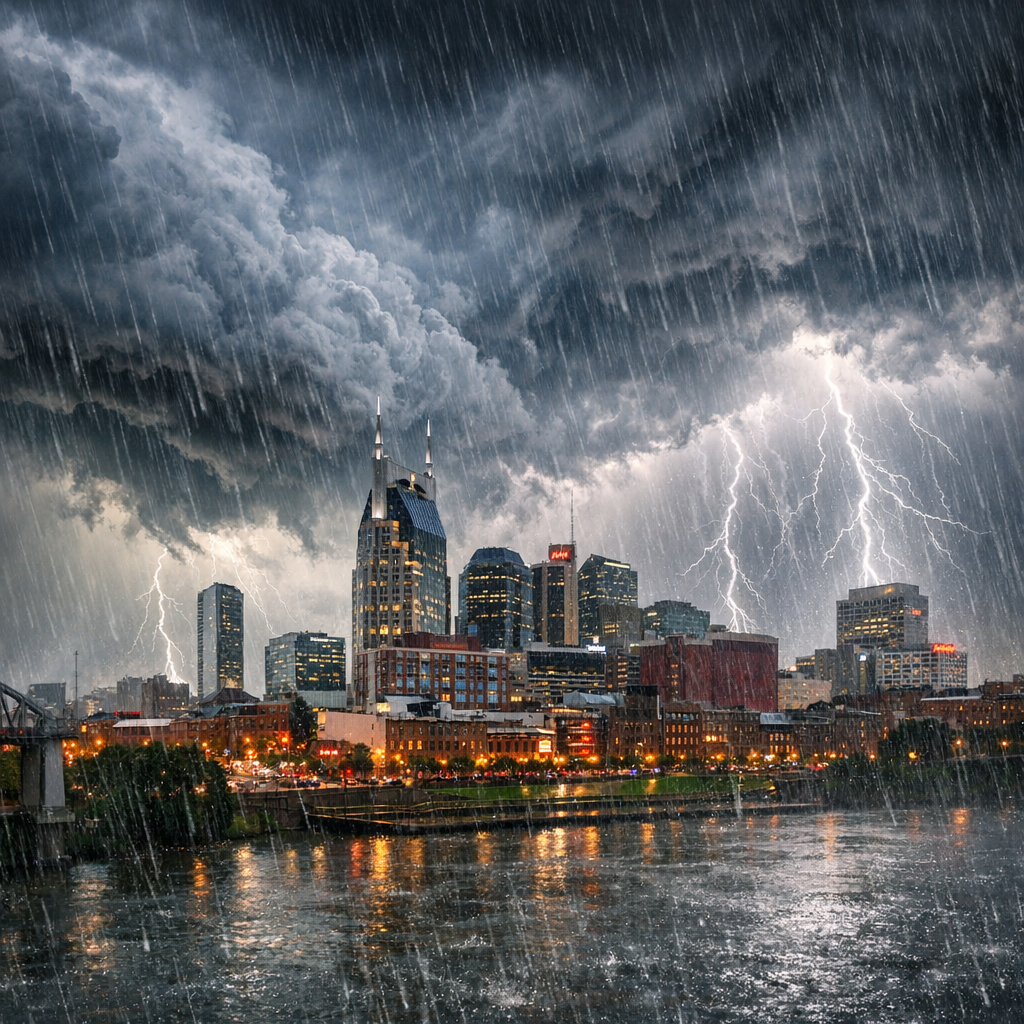
Nashville generally sees fairly consistent rainfall throughout the year, although certain months tend to be wetter. Spring and late fall are often among the wettest, while late summer into autumn can be drier—until strong storms move in. However, one of the clearest changes is in rainfall intensity. Storms pack more water now, raising risks of flash flooding and water pooling in low-lying areas.
Extreme Weather Events Are Becoming More Frequent
Historically rare weather extremes—very heavy rainfall, damaging thunderstorms—are happening more often now. Big flood events like the one in May 2010, which set rainfall records and caused widespread damage, illustrate how Nashville’s storms are changing in strength and duration. With warming air able to hold more moisture, the chances of being hit by those “100-year” weather events have risen.
What Residents Can Do to Stay Safe and Adapt
- Monitor air quality and weather alerts via trusted sources—especially on hot days or when heavy storms are forecast.
- Prepare homes and yards for heavier rainfall: maintain gutters, clear drainage paths, consider landscaping that absorbs water.
- Plant native or resilient landscaping species that can handle drought spells and sudden heavy rain.
- Stay informed about policies and planning in Nashville: floodplain zoning, stormwater infrastructure, and community resilience efforts all matter.
Looking Ahead: What to Expect
Temperature and precipitation changes aren’t likely to reverse anytime soon. If current trends continue, we’ll likely see:
- Fewer extreme cold days; warmer nights overall.
- Greater rainfall variability: short dry spells punctuated by intense storms.
- Higher risk of flooding in vulnerable neighborhoods as stormwater systems are tested by extreme events.
Understanding these changes helps us adapt—whether that’s how we design our homes, care for our green spaces, or plan for public health. Nashville’s weather isn’t just something we live with—it’s something that’s quietly reshaping how we live.