

By Olivia Williams
What’s underway
Nashville’s voter-approved transportation program, Choose How You Move (CHYM), is transforming mobility in the city. Backed by funding from a half-cent transit-sales surtax, the program has already launched over $160 million in transit and mobility projects. These include new sidewalks, smart traffic signals, expanded bus and paratransit service, and the launch of the fare-free Journey Pass for income-eligible riders. Riders have made over one million trips so far on that program alone. (Data current to late September 2026.)
Key corridor projects are also in design or early construction. A recent highlight is the Nolensville Pike All-Access Corridor, spanning about nine miles from downtown through South Nashville, which aims to upgrade sidewalks, crossings, bike connections, and signal systems in partnership with WeGo Public Transit. HDR has been selected to lead its planning and design.
Meanwhile, the city has begun replacing structurally deficient bridges on I-40 over 8th Avenue in Davidson County, using Accelerated Bridge Construction (ABC) methods to speed up work and reduce disruptions. The completion target for this project is summer 2028.
Challenges and community concerns
Even with this momentum, Nashville faces growing frustration in several areas:
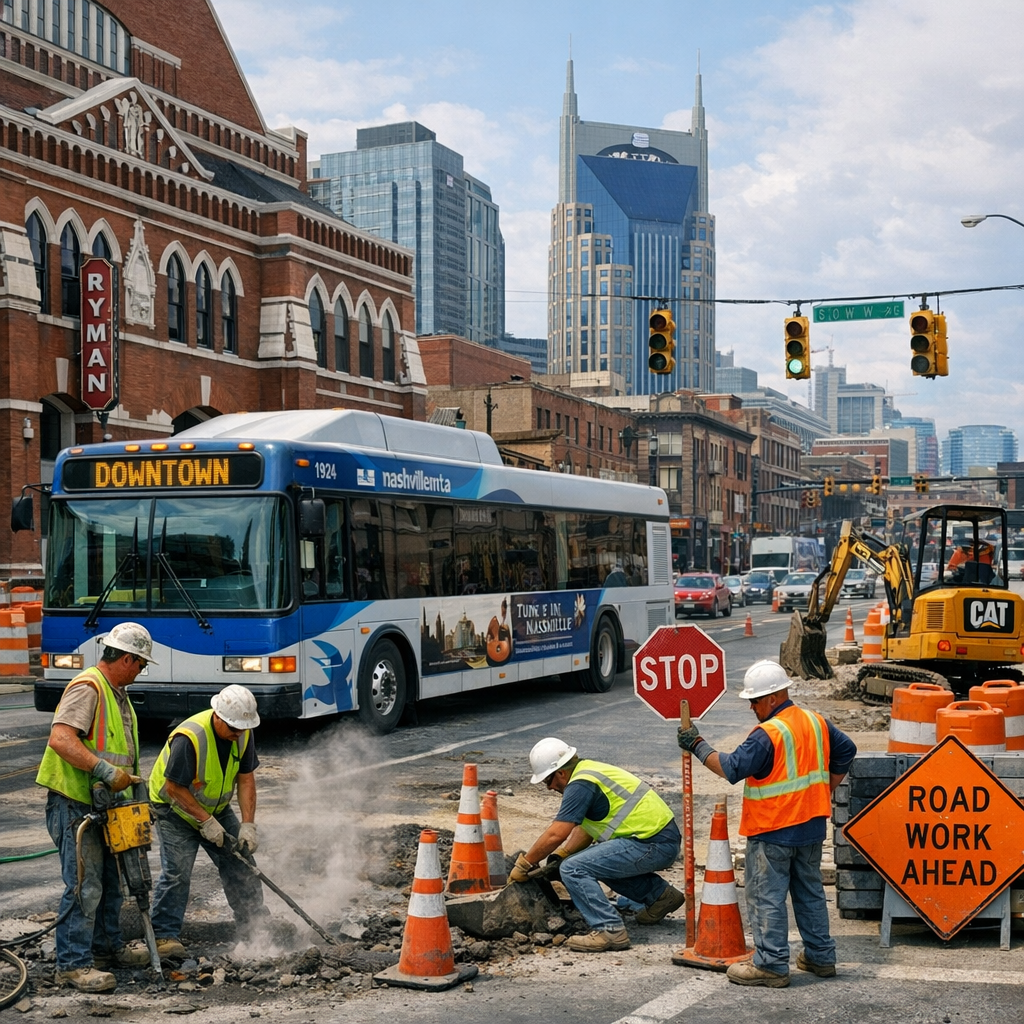
- Construction disruptions: Bridge replacements, major corridor work, and signal upgrades often mean rerouted traffic, blocked sidewalks, and longer commute times. Businesses and residents worry about timelines slipping.
- Bursting infrastructure costs: While CHYM covers many upgrades, challenges like stormwater management, emergency response capacity, and backlogged road maintenance go beyond the initial plan and strain Metro’s capital spending.
- Equity of access: Questions remain about whether projects truly serve both high-traffic and underserved communities. For example, East Nashville has historically lagged behind in safe multimodal infrastructure compared to highways and central corridors.
- Funding transparency and accountability: Some residents say they still don’t have clear information about construction timelines, cost overruns, and performance benchmarks. For big developments, such as relocation of public facilities or major transit hubs, that clarity is critical. The Neighborhoods Improvement Tracker is a step toward this.
What to watch next
Several milestones will test how well Nashville balances progress with accountability.
- Tracking completion of current CHYM-funded infrastructure: sidewalks, signal upgrades, transit stop improvements, and the first of the All-Access Corridors becoming operational.
- Implementation of Metro’s capital spending plan, especially funding stormwater systems, school improvements, emergency communications, and green space. How those dollars are allocated will show whether the city is keeping up with growing pains.
- Community engagement improvements: ensuring local input shapes which neighborhoods get upgrades first, how disruptions are mitigated, and how public costs are communicated. Tools like the Improvement Tracker and corridor-level planning need broad awareness and input.
Final thoughts
“Choose How You Move” represents one of the biggest shifts in Nashville’s infrastructure strategy in decades. It’s more than transit or new sidewalks—it’s about planning our city’s growth with equity, safety, and sustainability in mind. Yes, the work will take time, and gaps will persist—but understanding what’s being built (and what isn’t yet) helps communities stay informed and engaged.
My hope is Nashville’s residents continue to hold decision-makers accountable—not just for big announcements, but for how things feel in daily life: the walk to school, the bus to work, the safety of a crosswalk, the relief of less flooding. Because the mark of good infrastructure is that you notice only when it’s missing.