

By Olivia Williams
Choose How You Move: Visible Infrastructure Upgrades
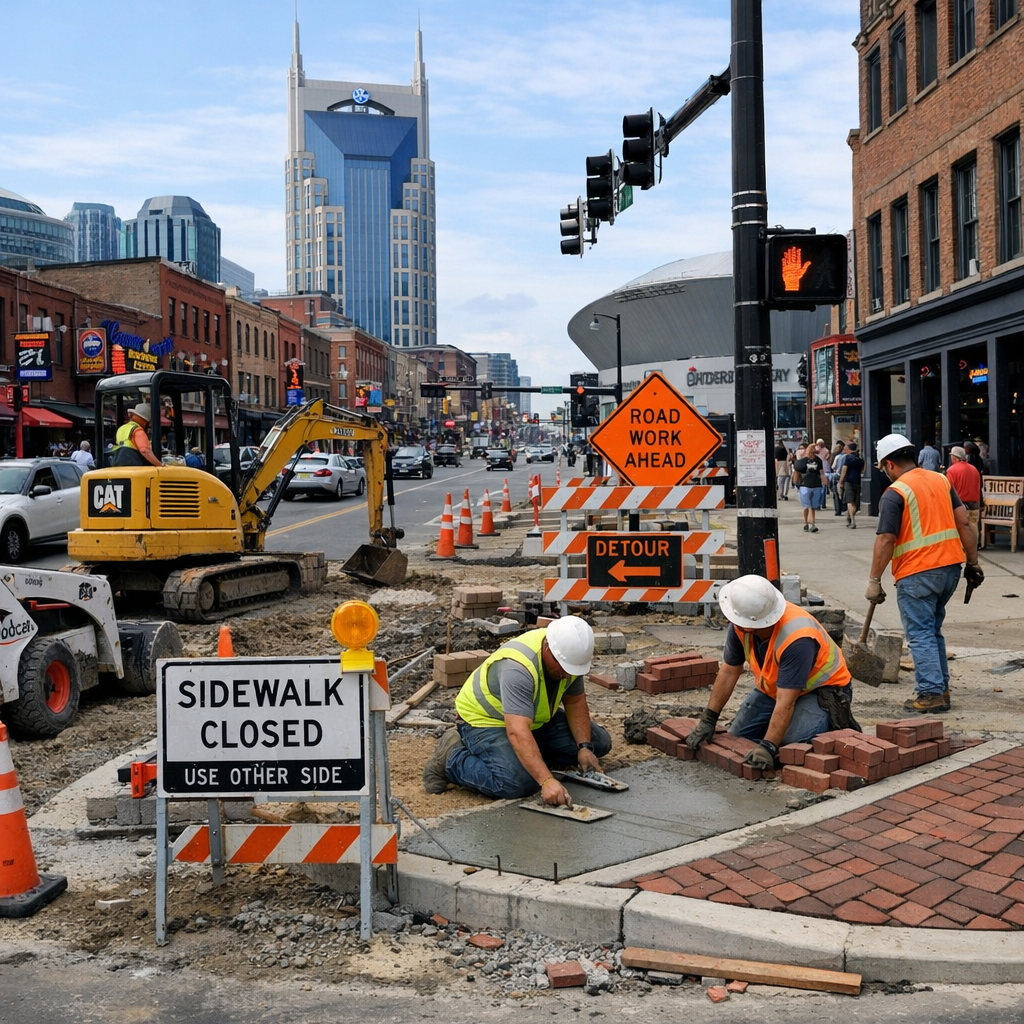
“Choose How You Move” (CHYM), Nashville’s voter-backed transportation initiative, continues to deliver on its promise of safer, more connected neighborhoods. The city has rolled out new traffic signal upgrades—including deploying nearly 100 modernized signals across busy and dangerous corridors like Gallatin Pike, Hillsboro Pike, and Edgehill Avenue—alongside investments in sidewalks, protected bike lanes, and better transit access. These changes aim to reduce crashes, support reliable travel, and make walking, biking, and riding the bus safer and more accessible for residents. (Recent official updates show construction either underway or planned in dozens of locations throughout the city.)
Initiatives like signal modernization and Complete Streets upgrades are paired with new transit centers and fleet improvements for WeGo Access, helping improve connectivity for people with varying mobility needs. CHYM’s early projects are moving fast, with more expected in this construction season.
It’s an ambitious and multi-pronged approach that reflects the concerns Nashvillians raised in recent community health and mobility surveys—especially around safety and access.
Clean Water Infrastructure: Tackling Aging Sewer Systems
Nashville is also making significant strides toward upgrading its water system. Major projects such as the Mill Creek–Collins Creek and Shelby Park sewer rehabilitation efforts are underway to renew aging sewer lines, repair manholes, and reduce rainfall-related overflows. These improvements aim to address health, safety, and environmental consequences from outdated infrastructure—and to protect both neighborhoods and waterways.
Residents near the construction areas may notice disruptions, but these projects represent critical investments in the city’s backbone systems. Over time, reduced overflow events and improved sewer functionality should ease concerns of flooding and environmental damage tied to deteriorated systems.
Data Center Controversy: Land Use, Community Impact, and Local Power
In a highly charged move, Nashville’s Metro Council voted to use eminent domain to block a planned $700 million data center proposed by DC BLOX just upstream from the Nashville Zoo at Grassmere. Critics of the project raised concerns over environmental impact—especially runoff and stormwater issues—alongside zoning, neighborhood fit, and wildlife preservation. The zoo’s wetlands and waterways are already classified as impaired for sedimentation and habitat alteration; many residents worry a large industrial site nearby could exacerbate those conditions.
Beyond environmental concerns, the fight underlines broader questions about how the city balances growth with quality of life, and who gets to decide what kinds of development should happen where. Eminent domain is rarely used in these debates—this case signals that council members are listening sharply to community opposition.
Why It Matters
These projects—modernizing transportation, renewing infrastructure, and managing land use—are grounded in neighborhood-level realities. They reflect concerns many Nashvillians share: safety walking to school, reliable transit, clean water, and green spaces that sustain life and wildlife. These shifts aren’t just “big deals” for planners or policymakers—they set the conditions under which people live, move, and breathe every single day.
While some of these efforts face opposition or logistical challenges, the prevailing direction suggests Nashville is investing more deeply in systems—not just features—and responding more directly to residents’ needs. When done well, that makes all the difference.
What to Watch Next
- Progress on specific Complete Streets projects—Cornerstone improvements like Edgehill Avenue and East Thompson Lane.
- Updates on the East Bank initiative, where infrastructure plans will follow funds formerly earmarked for Music City Center.
- Monitoring environmental assessments tied to large land-use proposals—especially near sensitive ecosystems like waterways.
- How CHYM’s promised transit centers, sidewalks, and crossings roll out in underserved neighborhoods.
Change is unfolding—and it’s rooted in policy, engineering, and public voice. Keep asking: who benefits, who pays, and what kind of Nashville we want to grow into.