

By Sophia Anderson
Where Home Prices and Listings Stand
The median price for a single-family home in the Nashville area climbed to about $537,000 in June, up slightly from the year before. Condominiums also rose in price, nearing $350,000.
While buyers once rushed to snap up homes in days, active listings are now increasing—up roughly 8 percent year-over-year in many parts of the region. Homes are sitting on the market longer, averaging around 50-60 days, which gives buyers more leverage in negotiations.
Rental Trends & What’s Changing for Tenants
Vacancy rates in the Nashville metropolitan area are rising, in some cases reaching levels not seen in over a decade. That has helped slow rent growth, offering some relief to renters—but affordability remains a struggle, especially for those earning less than median incomes.
Meanwhile, the Metropolitan Development and Housing Agency (MDHA) continues to manage thousands of housing vouchers and supply over 6,700 affordable housing units citywide, which are vital resources for low and moderate income households.
Major Development & Policy Moves
The city is actively studying its zoning code and development policies in Nashville’s urban core, aiming for more predictable design standards and better alignment with infrastructure and transit goals.
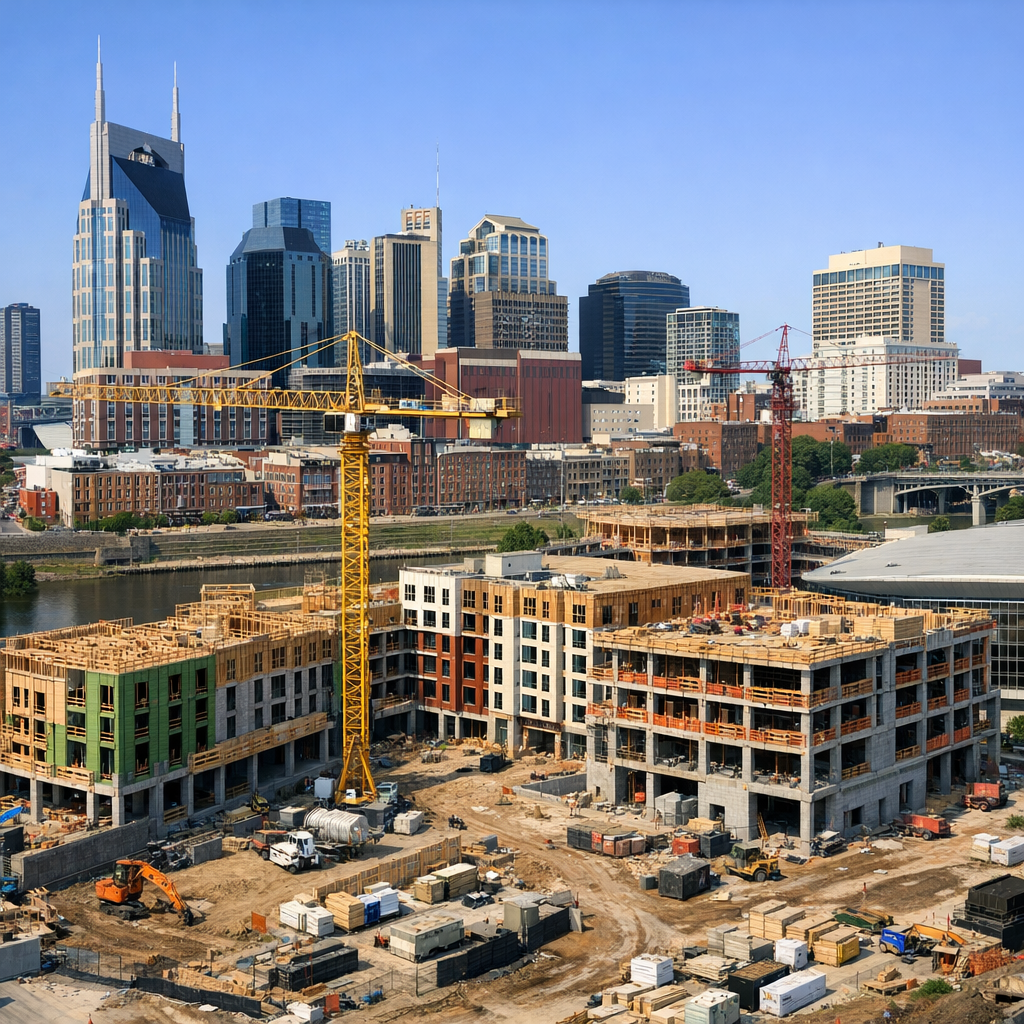
One standout project underway is Eastpoint Flats, the first fully-affordable building in the East Bank’s Eastpoint development. The project includes childcare and retail space and benefits from a 99-year ground lease ensuring long-term affordability.
Another is the ambitious plan for the revitalization of the Napier Place and Sudekum Apartments. MDHA has approved a co-development agreement involving several developers to reimagine these sites with updated amenities and new affordable housing units.
What It All Means for Locals
- For buyers: The market is gradually shifting from seller-friendly to more balanced. More inventory and longer listing time give buyers a little breathing room.
- For renters: Even as rent hikes moderate, housing costs remain steep. Affordable housing units and voucher programs can offer relief, but qualification hurdles and waitlists are real challenges.
- For developers & policymakers: Moving forward, growth isn’t just about adding units—it’s also about where and how they are built. Strategies that tie new construction to transit access, inclusive zoning, and long-term affordability are becoming central.
Nashville’s real estate landscape is still growing—and changing. For those involved in housing—whether buying, renting, building, or planning—the key is paying attention to trends now shaping the city’s next few years.