

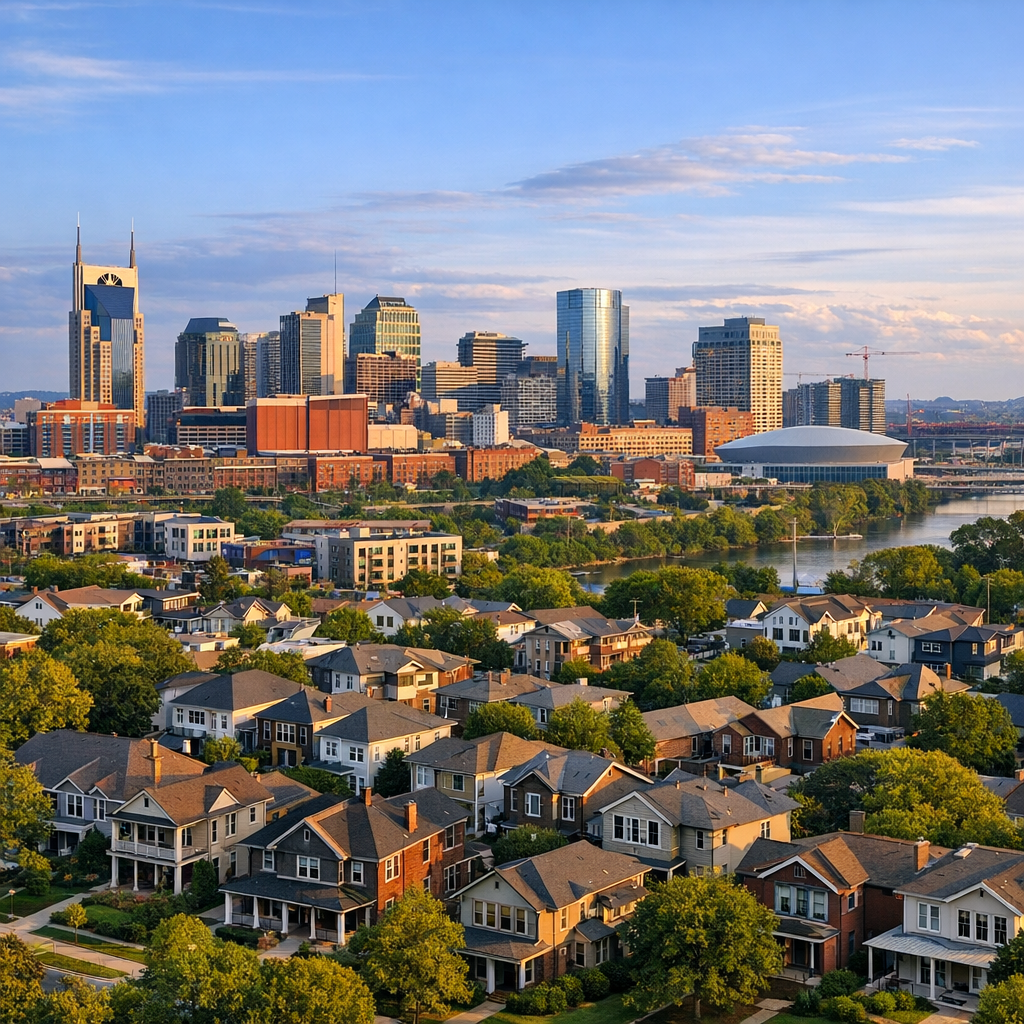
Nashville’s real estate market is experiencing notable shifts, presenting both challenges and opportunities for buyers and sellers alike. Understanding these changes is crucial for making informed decisions in this dynamic environment.
Market Trends: A Shift Toward Buyers
Recent data indicates a significant increase in housing inventory. As of March 2026, the Greater Nashville Realtors reported 12,315 properties available for sale, marking a 12% rise from the previous year. This surge, coupled with slightly lower interest rates, has empowered buyers with greater negotiating power, leading sellers to adopt creative tactics such as offering incentives. Although home prices have decreased slightly—condo prices fell from $350,000 in February 2025 to $338,500 last month—overall prices remain significantly higher than in past years, continuing to price out some buyers. The market, which has been cooling following its post-COVID surge, saw sales totaling 2,133 homes last month, a figure consistent with last year’s data. Notably, Middle Tennessee homes sold at an average of 6.4% below asking last year, but larger price declines were seen in other markets. Despite signs of increased affordability, many prospective buyers still struggle with high costs.
Neighborhood Spotlight: Antioch’s Continued Appeal
Antioch (ZIP code 37013) has maintained its position as a leading area in Nashville’s real estate market. In 2025, it led the city with 1,121 home sales, marking the third consecutive year at the top. This trend underscores the rapid growth in southeastern Davidson County. Rising home prices in popular areas like East Nashville have pushed buyers toward more affordable destinations like Antioch, which is also benefiting from new amenities such as Tanger Outlets and an upcoming In-N-Out. The most affordable ZIP code remains 37217 near Percy Priest Lake ($311,875 median), while the priciest is 37215 in Green Hills, with median home prices exceeding $1.1 million.
Development Projects: Balancing Growth and Community Concerns
Several development projects are shaping Nashville’s landscape. For instance, DC Blox is proceeding with its plan to build a 69,000-square-foot data center near the Nashville Zoo, despite significant public and environmental opposition. Over 500,000 individuals have signed a petition against the project, and two environmental organizations have criticized its potential threat to endangered species in the area. While the Metro Planning Commission has approved measures to limit future data center developments, DC Blox remains undeterred. The company insists the project will comply with all regulations concerning light, sound, stormwater, and energy use and emphasizes its commitment to transparency and environmental responsibility. Nonetheless, environmental and community concerns remain key points of contention.
Strategies for Buyers and Sellers
Given the current market dynamics, buyers have more options and negotiating power. It’s advisable to conduct thorough research, be patient, and consider emerging neighborhoods that offer value and potential growth. For sellers, pricing homes competitively and being open to negotiations or incentives can facilitate quicker sales in a market where buyers have the upper hand.
Staying informed about local market trends and developments is essential for anyone navigating Nashville’s real estate landscape. Whether buying or selling, understanding the nuances of the market can lead to more successful and satisfying transactions.