

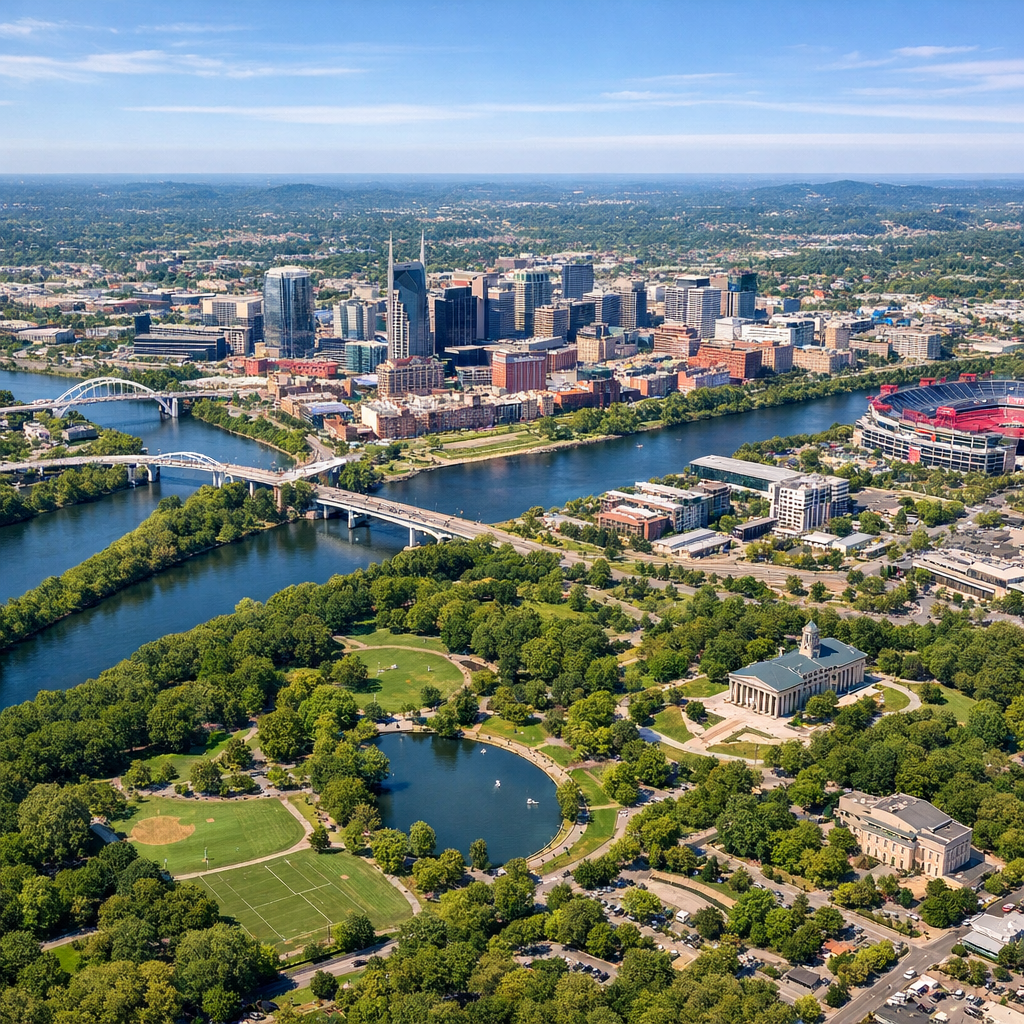
Nashville’s climate is undergoing significant changes, presenting challenges that require community-driven solutions. Understanding these shifts is essential for building a resilient future.
Rising Temperatures and Urban Heat Islands
Recent data indicates a notable increase in Nashville’s average temperatures. Projections suggest that by 2050, the city could experience approximately 45 days annually with temperatures exceeding 95.6ºF, a substantial rise from about 7 days in 1990. This trend intensifies the urban heat island effect, where densely built areas with limited vegetation retain more heat, leading to higher temperatures compared to surrounding regions.
Increased Flooding Risks
Flooding remains a significant concern for Nashville. Approximately 16% of buildings in the city are at risk of flooding, with an average 43% chance of experiencing a flood about 2.8 feet deep over 30 years. The May 2010 flood, which caused $2 billion in damages in Nashville alone, underscores the city’s vulnerability to such events.
Community-Driven Resilience Efforts
In response to these challenges, Nashville has initiated several community-focused strategies:
- Climate Adaptation and Resilience Plan (CARP): Launched in September 2024, CARP aims to guide future investments and actions to enhance the city’s resilience to climate-driven hazards. The plan emphasizes equitable and transparent approaches to improve infrastructure and community preparedness.
- Heat Mapping Campaign: In August 2022, a collaborative effort involving local experts and volunteers conducted a heat mapping campaign across Nashville. The data collected is instrumental in identifying the warmest neighborhoods and informing targeted heat mitigation efforts.
- Urban Greening Initiatives: To combat the urban heat island effect, Nashville is investing in expanding green spaces and tree canopies. These efforts not only provide cooling benefits but also enhance the city’s aesthetic appeal and air quality.
How Residents Can Contribute
Community involvement is crucial in addressing climate challenges. Residents can participate by:
- Engaging in local tree-planting programs to increase urban greenery.
- Supporting and volunteering for community resilience projects.
- Staying informed about climate adaptation plans and providing feedback during public comment sessions.
By working together, Nashville can navigate its climate challenges and build a sustainable, resilient future for all residents.