

By Emma Johnson
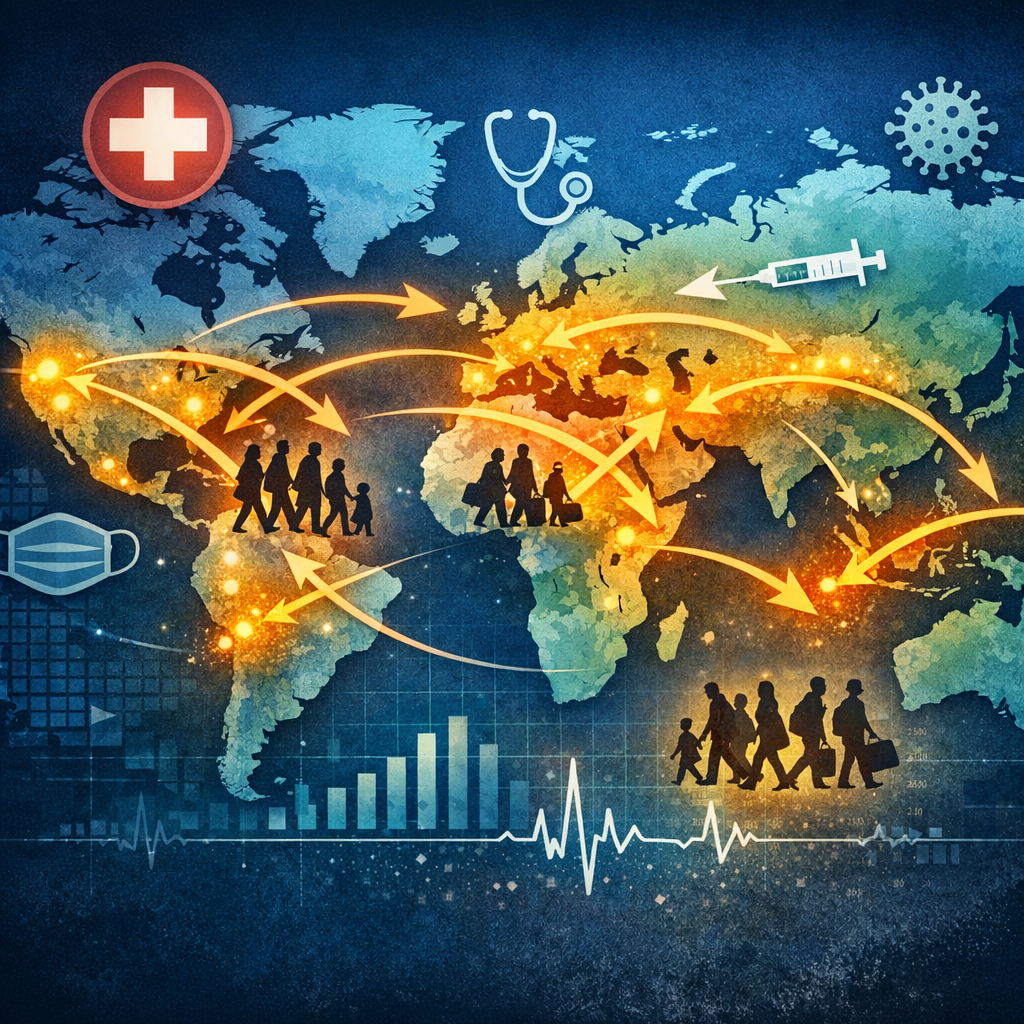
Around the world, recent years have seen impressive gains in public health and migration, but those advances now face serious and interconnected challenges. For communities in Nashville just as much as in Nairobi or New Delhi, the ripple effects of global health threats and migration dynamics touch everyday life.
Health Progress Under Pressure
According to the latest data from the World Health Organization, the past decade has brought positive trends: HIV infections have declined, more people now have access to clean water and sanitation, and efforts against neglected tropical diseases have made strides. Yet these gains remain fragile. Efforts to reach health-related Sustainable Development Goals by 2030 are falling short. Persistent threats—such as malnutrition, childhood overweight, unsafe sanitation, and the rising burden of noncommunicable diseases—are undermining progress.
Compounding those risks is the growing strain on global systems: climate change is generating unpredictable health crises; conflicts displacing millions expose people to infectious risks; antimicrobial resistance compromises basic treatments. Meanwhile, funding and cooperation are not keeping pace, leaving gaps that often hit the most vulnerable hardest.
Migration on the Move
Migration is reaching record levels. As of mid-2024, about 304 million people lived outside their country of birth—roughly 3.7% of the world’s population. The number of international migrant workers also continues to rise, driven by economic needs and the pursuit of opportunity. Nonetheless, migration isn’t a monolith: flows vary dramatically by region, and policies that are restrictive often create more unsafe journeys rather than reducing movement.
Internal displacement—people uprooted within their own countries—has also soared. Driven by conflict, climate disasters, or political instability, displaced communities face immense health and social vulnerabilities, often with limited support or access to services.
What Resilience Requires
Experts emphasize that resilient global systems must be built on shared responsibility. Key priorities include:
- Stronger health systems with equitable financing: Ensuring all nations—and all communities within nations—have access to essential services without financial hardship.
- Reliable data and early warning: Improving mortality and disease reporting; strengthening surveillance of infectious threats—including those emerging from conflict or climate disturbances.
- Integration of migration and health policy: Recognizing migration as a public health issue—ensuring safe, legal pathways, and ensuring displaced people have access to care.
- Multilateral cooperation: Global challenges require global solutions—from climate action to antibiotic research, from vaccine distribution to support for displaced populations.
Why It Matters for Local Audiences
Nashville may feel miles away from remote health crises, but the interdependence of today’s world means nothing stays local if it’s unresolved globally. Pathogens don’t honor borders, migration shapes economies, and church groups, NGOs, and health providers all have roles to play in promoting equity and understanding.
As citizens and communities, staying informed, supporting global aid programs, and advocating for policies that address health equity and migration humanely can make a difference. Global health and migration aren’t distant issues—they are threads in our shared fabric, demanding our attention and action.