

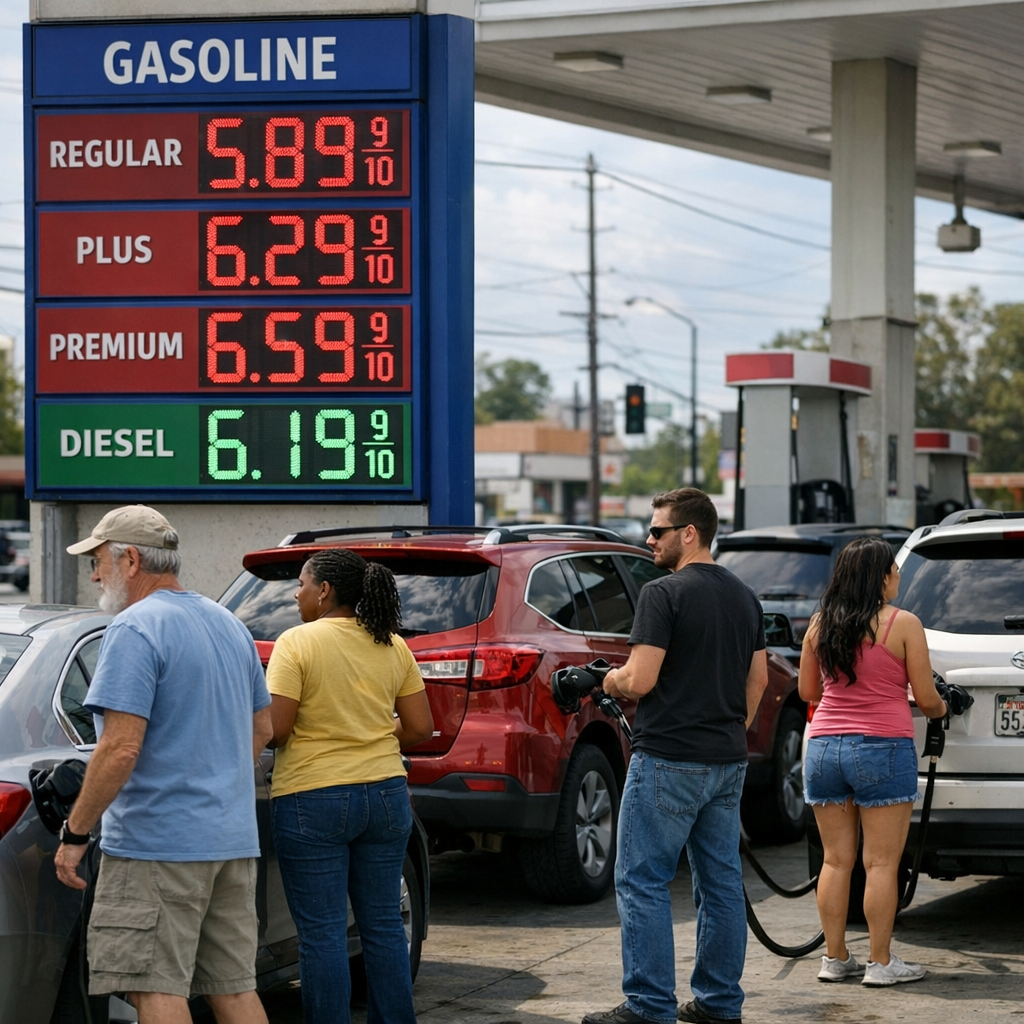
As the nation grapples with economic challenges, many Americans are expressing concerns over rising inflation and escalating energy costs. Recent data indicates that inflation has surged to 4.2%, a significant increase that is impacting household budgets and financial planning.
Inflation and Energy Prices
The escalation in inflation is closely tied to rising energy prices. The conflict in Iran has disrupted oil supplies, leading to higher fuel costs. This situation has been further exacerbated by the closure of the Strait of Hormuz, a critical passage for global oil shipments. As a result, consumers are facing increased prices at the pump, contributing to the overall inflationary trend.
Labor Market Resilience
Despite these economic pressures, the U.S. labor market has shown resilience. In May, the economy added 172,000 jobs, indicating a steady demand for workers. However, the benefits of this job growth are tempered by the rising cost of living, which continues to strain household finances.
Federal Reserve’s Stance
The Federal Reserve has maintained interest rates, signaling a cautious approach to the current economic climate. While the central bank acknowledges the inflationary pressures, it also recognizes the need to support economic growth and employment.
Looking Ahead
As the nation navigates these economic challenges, it is crucial for policymakers to address the underlying factors contributing to inflation and energy price volatility. For individuals, staying informed and proactive in financial planning can help mitigate the impact of these economic shifts.