

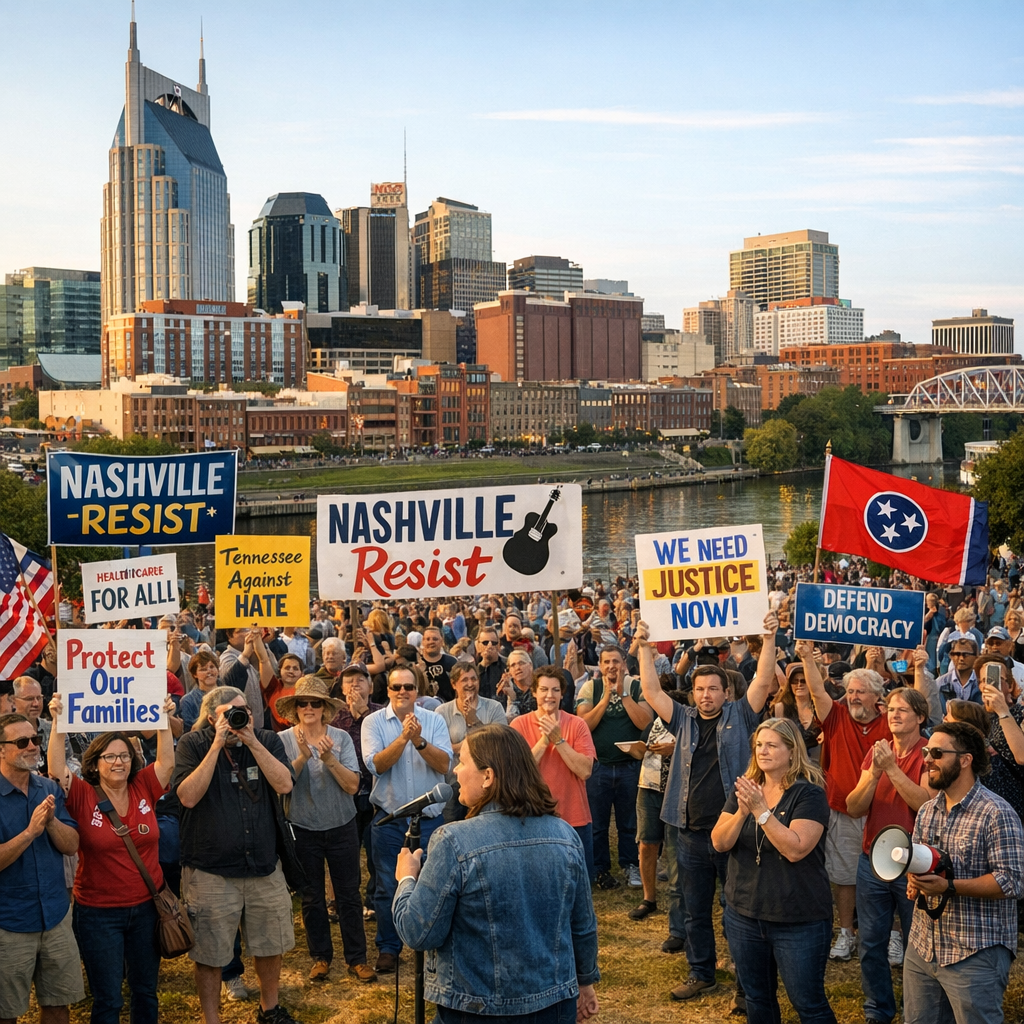
National policies often have profound effects on local communities, and Nashville is no exception. Recent federal actions in areas such as immigration enforcement, trade tariffs, and public safety initiatives have significantly influenced the city’s social and economic landscape.
Immigration Enforcement and Community Response
In 2025, coordinated operations between U.S. Immigration and Customs Enforcement (ICE) and the Tennessee Highway Patrol led to nearly 200 arrests in Nashville. These actions primarily targeted neighborhoods with high immigrant populations, resulting in widespread fear and disruption. Local businesses, especially in South Nashville, reported substantial declines in sales as residents avoided public spaces. For instance, some restaurants experienced a 40% drop in sales due to decreased patronage.
The educational sector also felt the impact. Metro Nashville Public Schools observed a significant increase in student absenteeism, with some students missing multiple days out of fear of enforcement activities near schools and bus routes. Teachers reported heightened anxiety among students, affecting their learning and overall well-being.
In response, city leaders established the “Belonging Fund” to support affected residents with essentials like childcare, transportation, housing, and food. This initiative underscores Nashville’s commitment to its diverse community amidst challenging federal policies.
Trade Policies and Economic Implications
Federal trade policies, particularly tariffs imposed on Canadian goods, have also impacted Nashville’s economy. Canada is a significant source of international visitors to the city, contributing substantially to the tourism sector. However, retaliatory tariffs and strained relations led to a noticeable decline in Canadian tourists, affecting local businesses reliant on tourism revenue.
City officials expressed concern that such trade disputes could harm Nashville’s economy, emphasizing the need for stable international relations to support local industries.
Public Safety and Federal Intervention
Despite a reported decline in violent crime in Nashville, some federal officials called for increased intervention, including deploying the National Guard. This proposal came even as local data indicated a 12.5% decrease in violent crime and a 30.8% reduction in fatal shootings in 2025. The call for federal intervention sparked debate among city leaders, who highlighted the importance of local governance and community-based approaches to public safety.
These instances illustrate the complex interplay between national policies and local realities. While federal actions aim to address broad issues, their localized effects can be profound, influencing Nashville’s economy, community cohesion, and public services. As such, it’s crucial for local leaders and residents to engage in ongoing dialogue to navigate these challenges and advocate for policies that reflect the city’s unique needs and values.