

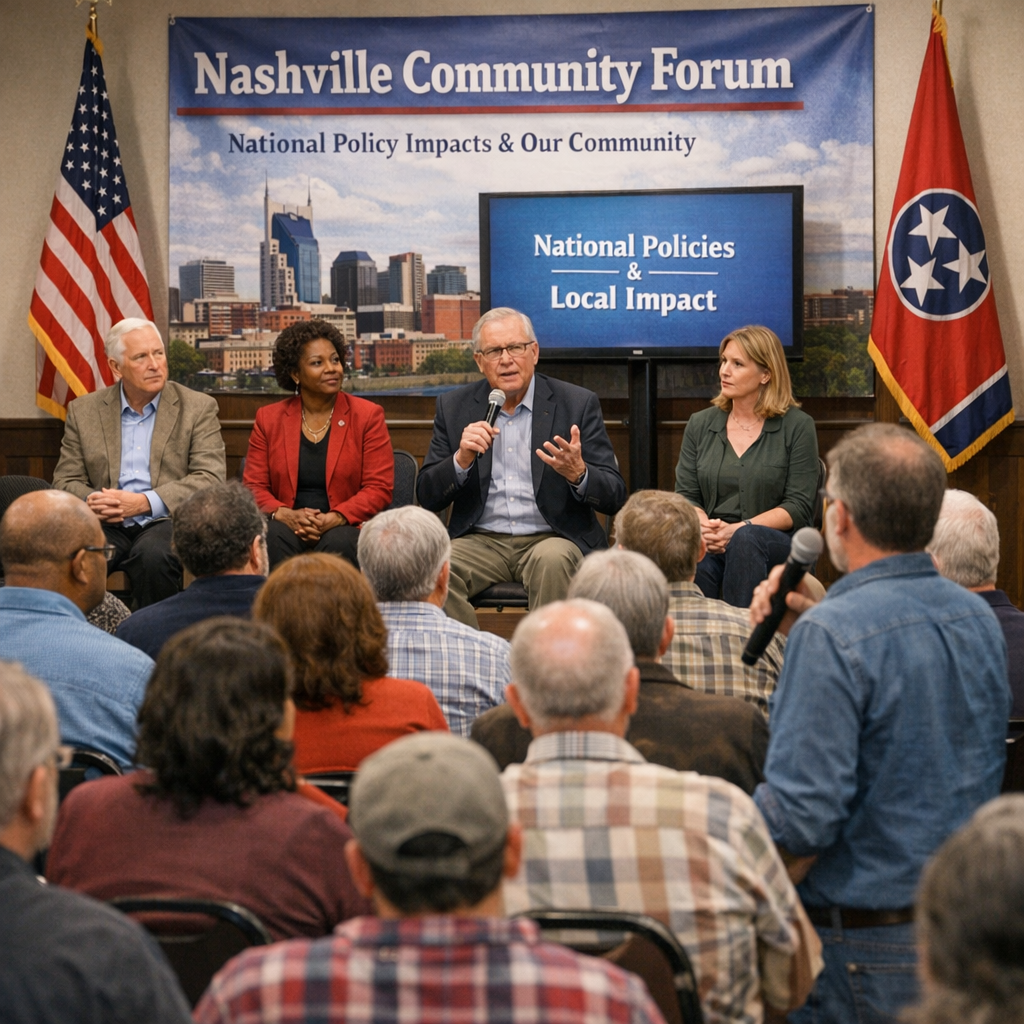
National policies often have profound effects on local communities, and Nashville is no exception. Recent federal actions in areas such as immigration enforcement, trade tariffs, and public safety have significantly influenced our city’s social and economic landscape.
Immigration Enforcement and Community Response
Increased immigration enforcement operations have led to nearly 200 arrests in Nashville, causing widespread concern among immigrant families. This heightened fear has resulted in a noticeable rise in student absenteeism within Metro Nashville Public Schools (MNPS). Teachers report that students are staying home out of fear, even when there is no confirmed ICE presence at schools or bus stops. In response, MNPS has activated support systems, including counseling services and emergency aid, to re-engage students and address the emotional toll on families.
Local businesses, particularly in South Nashville, have also felt the impact. Restaurant owners report significant declines in sales as customers avoid public spaces due to fear of enforcement actions. Community leaders warn that such economic downturns could have long-term effects on the local economy.
Trade Policies and Economic Implications
National trade policies, including tariffs imposed on Canadian goods, have had unintended consequences for Nashville’s economy. Approximately half of Nashville’s international visitors come from Canada. However, recent trade tensions have led to a decrease in Canadian tourists, affecting local businesses that rely on tourism revenue. City officials express concern that prolonged trade disputes could further harm Nashville’s economic growth and the livelihoods of those in the hospitality and service industries.
Public Safety and Federal-State Dynamics
Public safety remains a critical issue, with federal and state policies influencing local law enforcement strategies. Despite a significant decrease in violent crime in Nashville, some federal representatives have called for the deployment of the National Guard to address public safety concerns. This has sparked debate among local officials, who point to the declining crime rates and increased police funding as evidence of effective local governance. The tension between federal directives and local autonomy underscores the complexities of managing public safety in a rapidly evolving policy environment.
As Nashville continues to navigate the ripple effects of national policies, it is essential for local leaders and community members to engage in open dialogue and collaborative efforts. By understanding and addressing these challenges, Nashville can work towards solutions that uphold the well-being and prosperity of all its residents.