

Nashville is actively addressing key community issues through strategic initiatives aimed at improving transportation, housing, and public health.
Transportation and Road Safety Enhancements
In response to a concerning rise in fatal crashes, the Nashville Department of Transportation has implemented new safety measures. These include the installation of concrete barriers to protect bike and scooter lanes on Commerce Street and Davidson Street near Nissan Stadium, as well as the introduction of raised pedestrian crosswalks to enhance visibility and safety. These efforts are part of the “Choose How You Move” initiative, which has allocated over $100 million to improve sidewalks, signals, and overall transportation infrastructure citywide.
Housing Affordability and Community Development
Addressing housing affordability remains a priority for Nashville. The 2026-2028 Community Health Improvement Plan identifies housing as a key issue, aiming to use the Unified Housing Strategy to improve equitable health outcomes for vulnerable populations. Additionally, the Metro Social Services’ annual Community Needs Evaluation report highlights affordability challenges faced by African American residents, emphasizing the need for targeted interventions to bridge the wealth gap and ensure economic stability for all Nashvillians.
Public Health Initiatives
The Metro Public Health Department, in collaboration with local hospitals and community organizations, has conducted a comprehensive Community Health Assessment. This assessment provides an understanding of the state of health in Nashville and the social factors influencing it, guiding the development of strategies to improve community health. The assessment reflects changes over time and ensures that improvement efforts are based on the current needs of the community.
Community Engagement and Future Outlook
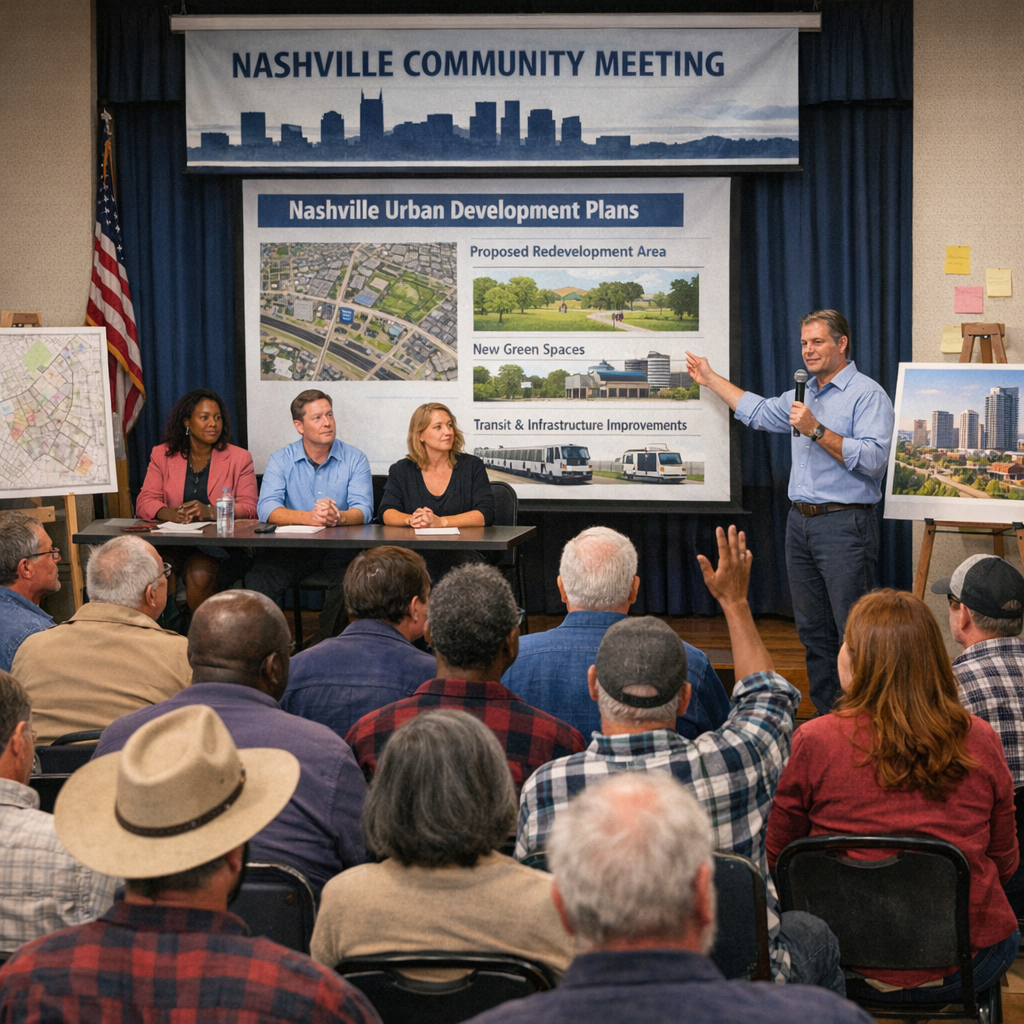
Community engagement remains a cornerstone of Nashville’s development strategies. Initiatives like the updated “Plan to Play” document from Metro Parks invite residents to participate in discussions about the future of the city’s parks system, balancing maintenance needs with aspirations for expansion. Similarly, the city’s approach to managing growth and development, including considerations for new data centers, reflects a commitment to preserving community character while embracing technological advancements.
As Nashville continues to evolve, these concerted efforts across transportation, housing, and public health sectors demonstrate a proactive approach to fostering a thriving, inclusive community.