

By Olivia Williams
Nashville is facing a mounting infrastructure dilemma—our water and sewer systems are showing their age, and the cost to fix them is pushing the Metro government to propose rate hikes. Here’s what’s driving the challenge, what leaders are saying, and how you may be affected.
The Root of the Issue
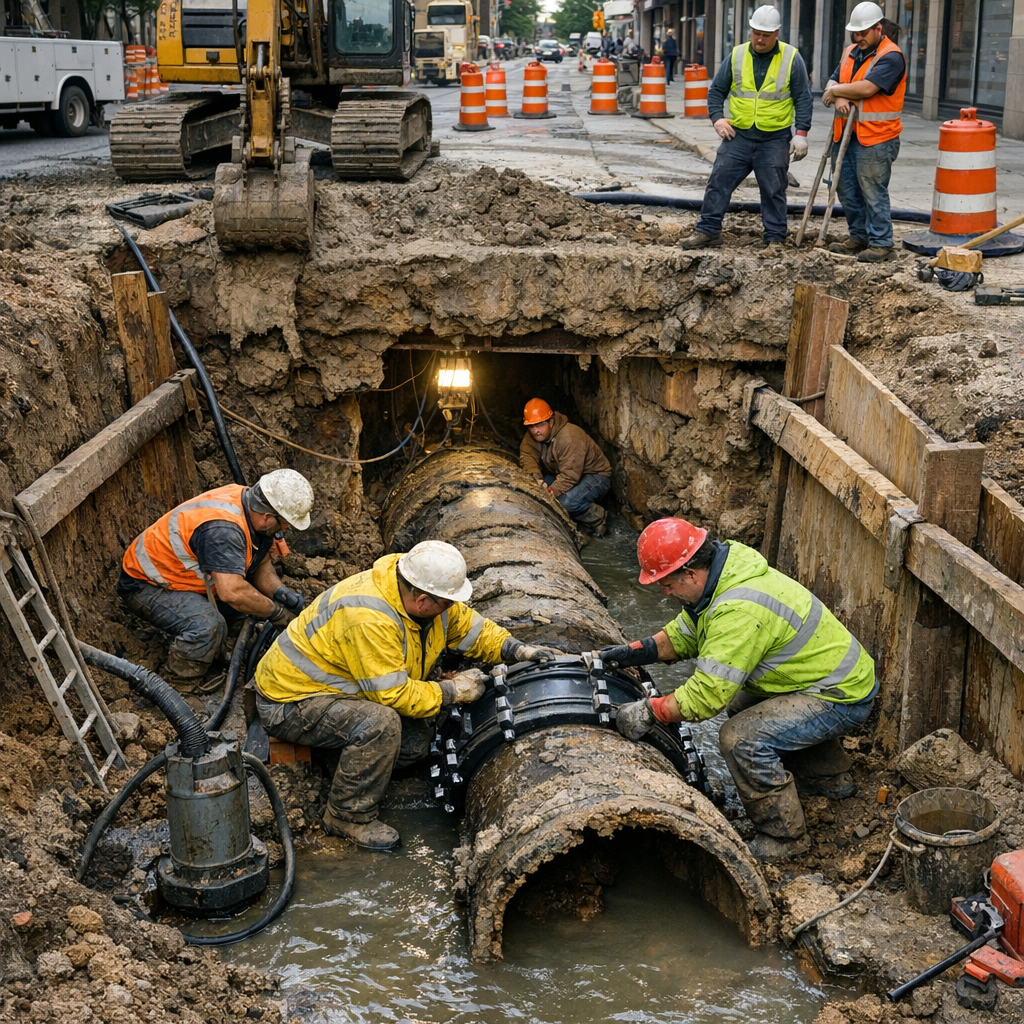
Much of Nashville’s sewer system dates back more than one hundred years. Pipes installed in the early 1800s are still in use, many without modern protective coatings. Combined sewer overflows (CSOs), which dump stormwater mixed with untreated waste into rivers and creeks after heavy rains, have long been regulated under a federal consent decree. Metro Water Services has been hard at work repairing lines, upgrading treatment facilities, and increasing conveyance capacity.
What’s Been Done So Far
Since the 1990s, Nashville has spent over $750 million on infrastructure investments to reduce CSOs through separation projects, new storage facilities, and treatment plant enhancements. In projects underway or planned—for example in Benedict & Crutcher, Boscobel, and Schrader—Metro expects to reduce overflow events by over 96% compared to levels from the mid-1990s.
Why Rates Must Rise
Metro Water says that without increased funding, it cannot keep up with system upkeep. Improvement needs—such as replacing aging pipes, repairing damaged lines, and building new underground tunnels that redirect sewage overflows—require capital investment the current rates don’t cover. Because water and sewer fees have not kept pace with inflation or maintenance costs—some have remained unchanged for nearly a decade—the burden has grown heavier.
What This Means for Residents
If you live in Davidson County, you may see an increase in water and sewer bills. These rate hikes are intended to cover Metro’s regulatory obligations, repair of infrastructure, and improvements to water quality in the Cumberland River and area creeks.
At public hearings, people have expressed concern about affordability and fairness—especially for longtime residents who rely heavily on city services but face fixed or limited incomes. Council members have heard these concerns as part of the budget process.
What You Can Do
- Monitor upcoming Metro Council meetings—any rate proposals will be discussed in public hearings.
- Review your current water/sewer rate bill so you understand base charges versus usage-based fees.
- Look into conservation—low-flow fixtures, smart landscaping, or rain gardens can help lower water use and bills.
- Contact your council member to share concerns about affordability, infrastructure priorities, or where service should be improved.
Nashville’s water and sewer challenges are decades in the making. The coming years will be critical in deciding whether infrastructure can be restored without placing a heavy burden on residents. With transparency, smart investment, and public engagement, we can protect both our waterways and our quality of life.