

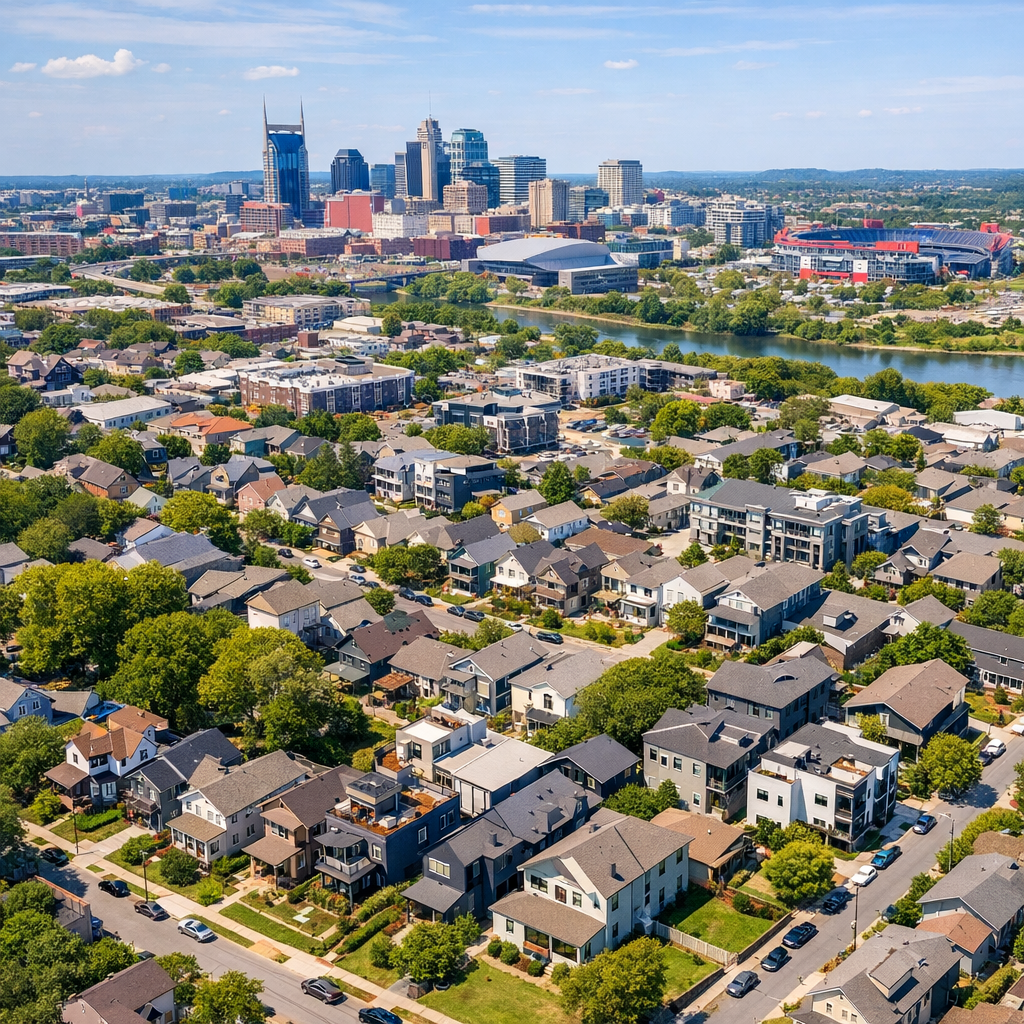
Nashville is grappling with a significant housing affordability crisis. A recent Vanderbilt University poll reveals that 82% of residents feel they cannot afford to purchase a home in Davidson County. This concern is further underscored by the city’s rapid population growth and escalating cost of living.
Historically, discriminatory practices such as redlining have contributed to the current disparities in homeownership. A housing and infrastructure study highlighted that Black and Hispanic families can afford median-valued homes in less than 1% of Nashville’s neighborhoods, specifically 0.8% for Black families and 0.6% for Hispanic families. This stark statistic points to the ongoing challenges these communities face in achieving homeownership.
In response, city leaders have initiated several measures. Mayor Freddie O’Connell’s administration has been actively working on the Unified Housing Strategy, aiming to increase the supply of affordable housing. In the fiscal year 2025, city funding supported the construction and preservation of nearly 1,800 affordable housing units. Additionally, the Metro Council is preparing to vote on a $3.8 billion operating budget that includes a proposal to eliminate the city’s grocery tax, potentially easing some financial burdens on residents.
Community organizations are also stepping up. The Nashville Food Project, in collaboration with local government, has launched ‘FeedBack Nashville,’ an initiative aimed at addressing food insecurity affecting over 80,000 residents. This program seeks to provide reliable access to food, recognizing that housing and food security are deeply interconnected issues.
Despite these efforts, challenges remain. Public support for multifamily housing, which could improve availability, has waned, making the topic increasingly politically contentious. Moreover, the city’s tax policy has faced criticism, particularly regarding property tax bills that have impacted homeowners and businesses.
As Nashville continues to grow, addressing housing affordability will require sustained collaboration between government entities, community organizations, and residents to ensure that all Nashvillians have access to safe and affordable housing.