

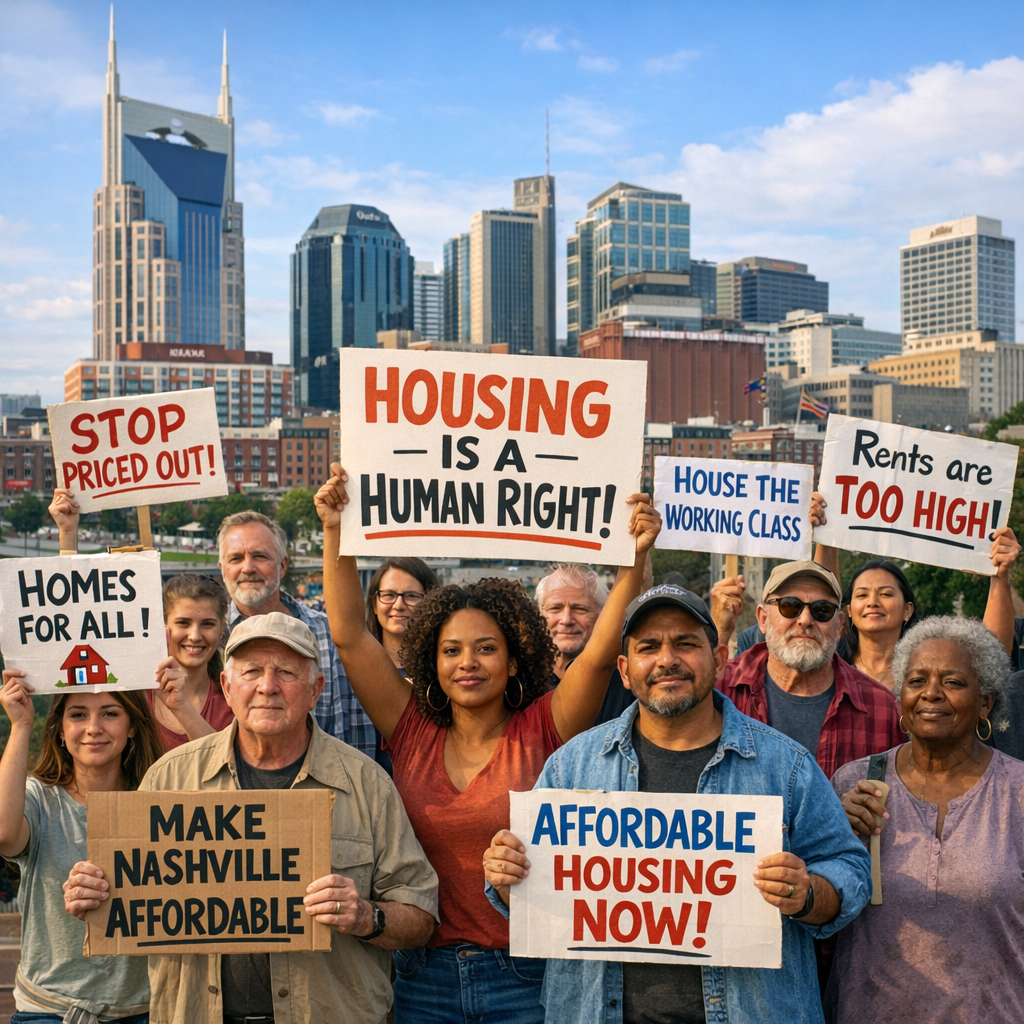
Nashville’s rapid growth has brought prosperity to many, but it has also intensified a housing affordability crisis that leaves a significant portion of residents struggling to find suitable homes. Recent studies and surveys paint a concerning picture of the current landscape.
Widespread Affordability Concerns
A Vanderbilt University poll reveals that 82% of Nashville residents feel they cannot afford to purchase a home in Davidson County. This sentiment underscores the growing disconnect between housing prices and household incomes in the area. The same poll indicates that only 36% of respondents plan to buy a house in the county, reflecting a shift in residents’ expectations and aspirations.
Disproportionate Impact on Black and Hispanic Families
The housing crisis disproportionately affects Black and Hispanic families. A comprehensive study found that these families can afford median-valued homes in less than 1% of Nashville’s 481 neighborhoods—specifically, just 0.8% for Black families and 0.6% for Hispanic families. This stark disparity highlights the enduring effects of historical discriminatory practices and the urgent need for equitable housing solutions.
Economic Strain and Community Response
The financial strain extends beyond housing. The Vanderbilt poll also notes that 43% of residents now prioritize attracting good jobs, up from 18% the previous year. This shift indicates a broader concern about economic opportunities and the cost of living.
In response, local leaders are implementing initiatives like the Unified Housing Strategy to increase the supply of affordable housing. In fiscal year 2025, city funding supported the construction and preservation of nearly 1,800 affordable housing units. Despite these efforts, the demand continues to outpace supply, necessitating sustained and innovative approaches to address the crisis.
Looking Ahead
As Nashville continues to grow, it is imperative for policymakers, community leaders, and residents to collaborate on solutions that ensure all Nashvillians have access to affordable and stable housing. Addressing systemic inequalities and fostering inclusive economic growth will be key to building a more equitable and thriving community.