

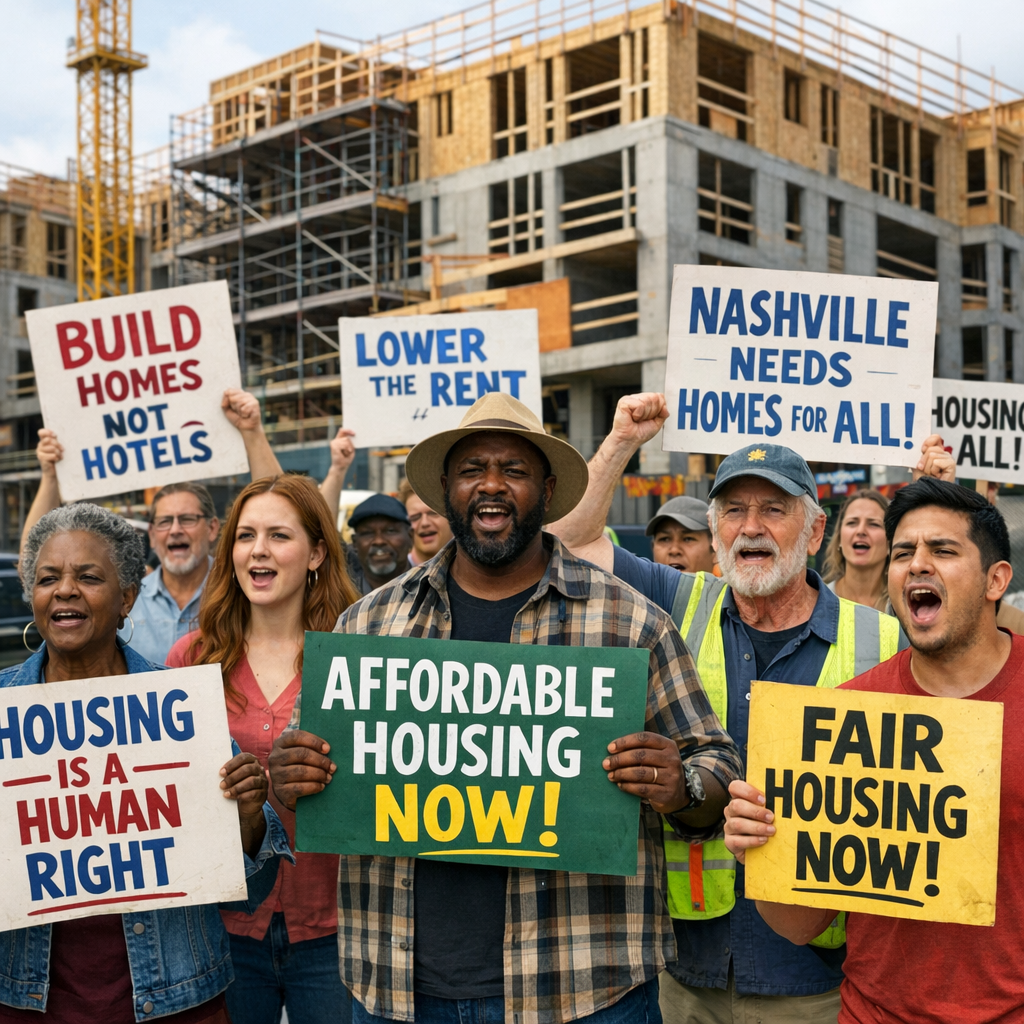
Nashville’s rapid growth has brought prosperity to many, but it has also intensified a housing affordability crisis that threatens the city’s diverse communities. Recent studies reveal that a significant majority of residents find homeownership increasingly out of reach, with minority groups bearing the brunt of this challenge.
Widespread Affordability Concerns
A Vanderbilt University poll indicates that 82% of Nashvillians feel they cannot afford to purchase a home in Davidson County. This sentiment reflects the widening gap between median household incomes and the financial requirements for homeownership. In 2025, the median household income in Nashville was $91,000, yet an annual income of approximately $120,000 was necessary to afford a median-priced home. This $30,000 disparity underscores the financial strain on many residents.
Disproportionate Impact on Minority Communities
The housing crisis disproportionately affects Black and Hispanic families. A comprehensive study revealed that these groups can afford median-valued homes in less than 1% of Nashville’s 481 neighborhoods—specifically, 0.8% for Black families and 0.6% for Hispanic families. This stark statistic highlights the enduring effects of historical discriminatory practices, such as redlining and exclusionary zoning laws, which have limited wealth accumulation opportunities for minority communities.
Gentrification and Displacement
Gentrification further exacerbates the affordability crisis. Metro Social Services’ annual report and interactive maps spotlight areas where rising incomes, escalating housing values, and increased development are causing demographic shifts and displacement pressures. Neighborhoods experiencing rapid change often see long-standing residents, particularly from minority backgrounds, forced to relocate due to soaring living costs.
Community and Policy Responses
In response to these challenges, local leaders and organizations are advocating for comprehensive solutions. Mayor Freddie O’Connell has emphasized the need for targeted actions to address affordability concerns, including investments in affordable housing and support for minority-owned businesses. Additionally, the city’s Community Health Improvement Plan outlines strategies to improve overall well-being, recognizing the intrinsic link between housing stability and health outcomes.
Community initiatives also play a crucial role. Programs like FeedBack Nashville aim to address food insecurity, a related issue that often accompanies housing instability. By providing reliable access to food for over 80,000 residents, such initiatives contribute to the broader goal of fostering a more equitable and supportive environment for all Nashvillians.
Looking Ahead
Addressing Nashville’s housing affordability crisis requires a multifaceted approach that includes policy reforms, community engagement, and sustained investment in affordable housing. By acknowledging and actively working to dismantle the systemic barriers that have led to this crisis, Nashville can strive toward a future where all residents have the opportunity to thrive in their communities.