

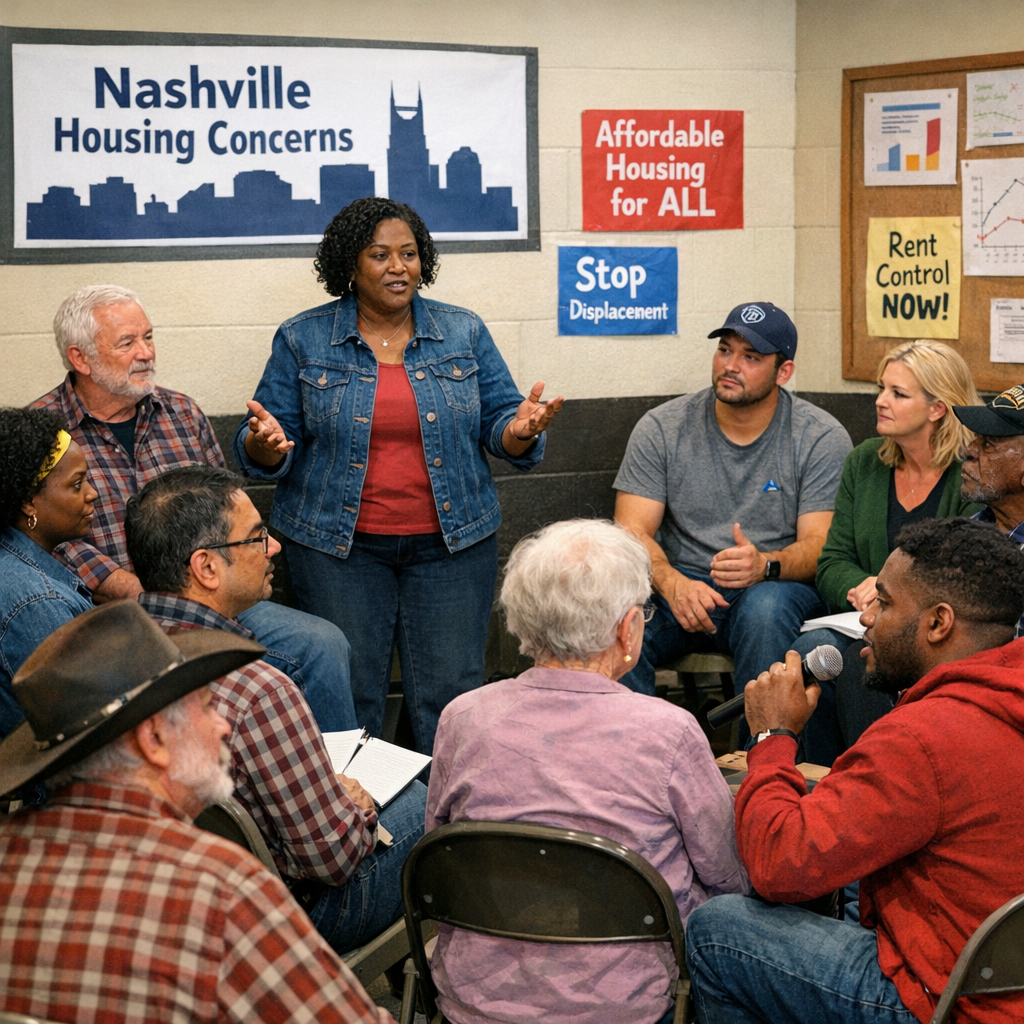
Nashville’s rapid growth has brought prosperity to many, but it has also intensified housing affordability challenges for a significant portion of its residents. Recent studies and surveys paint a concerning picture of the city’s housing landscape.
Widespread Affordability Concerns
A Vanderbilt University poll revealed that 82% of Nashvillians feel they cannot afford to purchase a home in Davidson County. This sentiment underscores the pressing need for affordable housing solutions in the city.
Disproportionate Impact on Minority Communities
The affordability crisis is particularly acute among African American residents. The Metro Social Services’ 17th annual Community Needs Evaluation highlighted that the poverty rate for African Americans in Nashville stands at 18%, compared to the city’s overall rate of 11.9%. Additionally, Black workers face higher unemployment rates and receive lower pay than their White counterparts, even with comparable education levels.
Further emphasizing this disparity, a housing and infrastructure study found that Black and Hispanic families can afford median-valued homes in less than 1% of Nashville’s neighborhoods. Specifically, only 0.8% of neighborhoods are affordable for Black families, and 0.6% for Hispanic families. This stark statistic points to the enduring effects of discriminatory practices like redlining and underscores the need for targeted interventions.
Community Initiatives and Policy Responses
In response to these challenges, local leaders have been advocating for increased affordable housing. Mayor Freddie O’Connell has emphasized the importance of housing affordability in his budget proposals. However, while 73% of residents identify housing affordability as a top priority, support for building multifamily housing in local neighborhoods has decreased. More than half of residents now believe such housing should be limited to dense areas to preserve the character of less-populated regions.
Community organizations are also stepping up. For instance, the Elmahaba Center in South Nashville is working to build inclusive communities, especially among Arabic-speaking residents, to address economic immobility and segregation.
Looking Ahead
The data underscores the urgent need for comprehensive strategies to address Nashville’s housing affordability crisis. Ensuring that all residents, regardless of race or economic status, have access to affordable housing is crucial for the city’s continued growth and cohesion.