

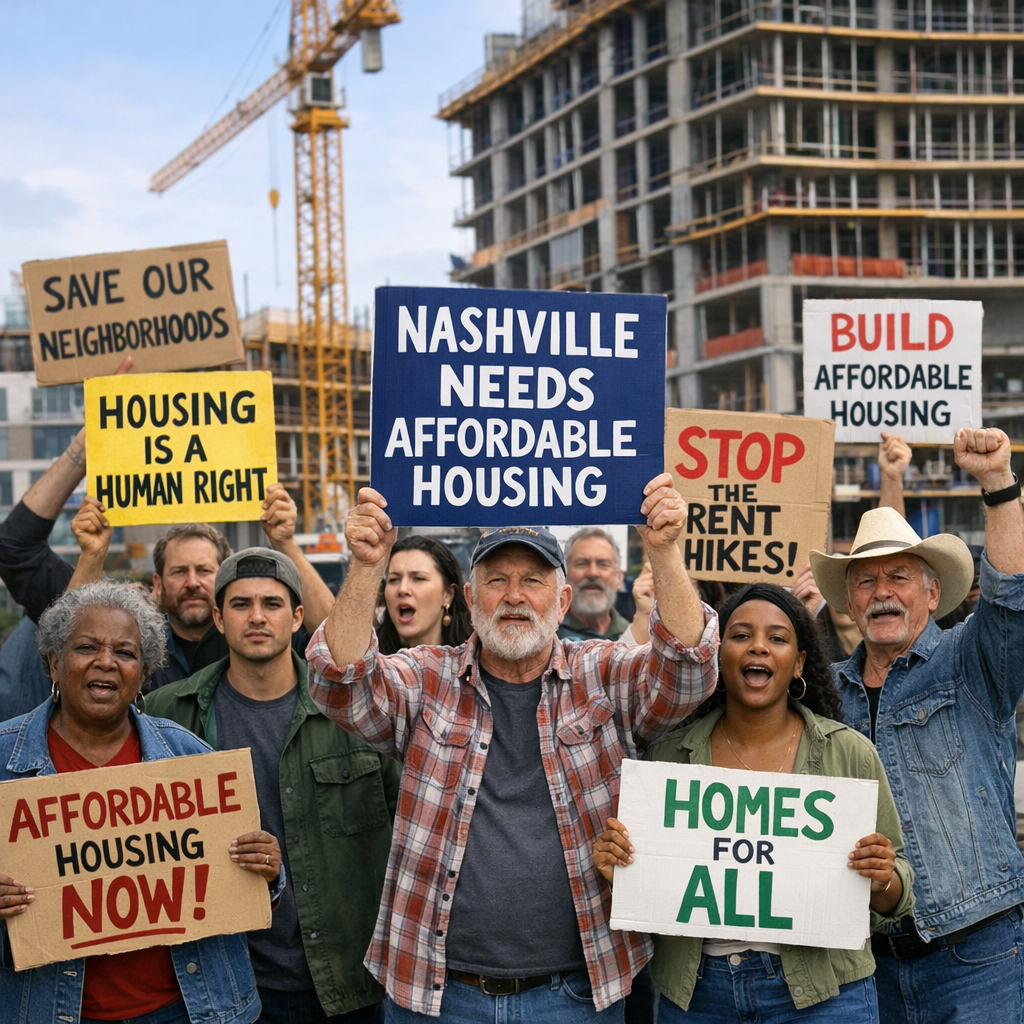
Nashville’s rapid growth has brought prosperity to many, but it has also intensified a housing affordability crisis that threatens the city’s diverse fabric. Recent studies reveal that a significant majority of residents find homeownership increasingly out of reach, with minority communities bearing the brunt of this challenge.
Staggering Statistics
A Vanderbilt University poll indicates that 82% of Nashvillians feel they cannot afford to purchase a home in Davidson County. This sentiment reflects a broader trend of escalating housing costs outpacing income growth, leaving many residents struggling to find affordable living options.
Disproportionate Impact on Minority Communities
The crisis is particularly acute for Black and Hispanic families. A housing and infrastructure study found that these groups can afford median-valued homes in less than 1% of Nashville’s 481 neighborhoods—specifically, just 0.8% for Black families and 0.6% for Hispanic families. This stark disparity underscores the enduring effects of historical discriminatory practices and the urgent need for targeted interventions.
Underlying Causes
Several factors contribute to this affordability crisis:
- Rapid Population Growth: Nashville’s population has been expanding swiftly, increasing demand for housing and driving up prices.
- Stagnant Wages: While housing costs soar, wage growth has not kept pace, diminishing purchasing power for many residents.
- Historical Discrimination: Practices like redlining have left lasting scars, limiting wealth accumulation opportunities for minority communities and restricting their access to affordable housing.
Community and Policy Responses
In response to these challenges, local leaders and organizations are exploring various strategies:
- Zoning Reforms: Proposals to allow higher-density housing along transit corridors aim to increase the housing supply and provide more affordable options.
- Affordable Housing Initiatives: Efforts to fund and develop affordable housing units are underway, though progress is incremental.
- Community Engagement: Grassroots movements and community organizations are advocating for policies that address the specific needs of marginalized groups.
Looking Ahead
Addressing Nashville’s housing affordability crisis requires a multifaceted approach that includes policy reforms, community engagement, and economic development strategies. Ensuring that all residents, regardless of race or income, have access to affordable housing is crucial for maintaining the city’s diversity and vibrancy.
As Nashville continues to grow, it is imperative that solutions are implemented to bridge the affordability gap and create a more inclusive community for all.