

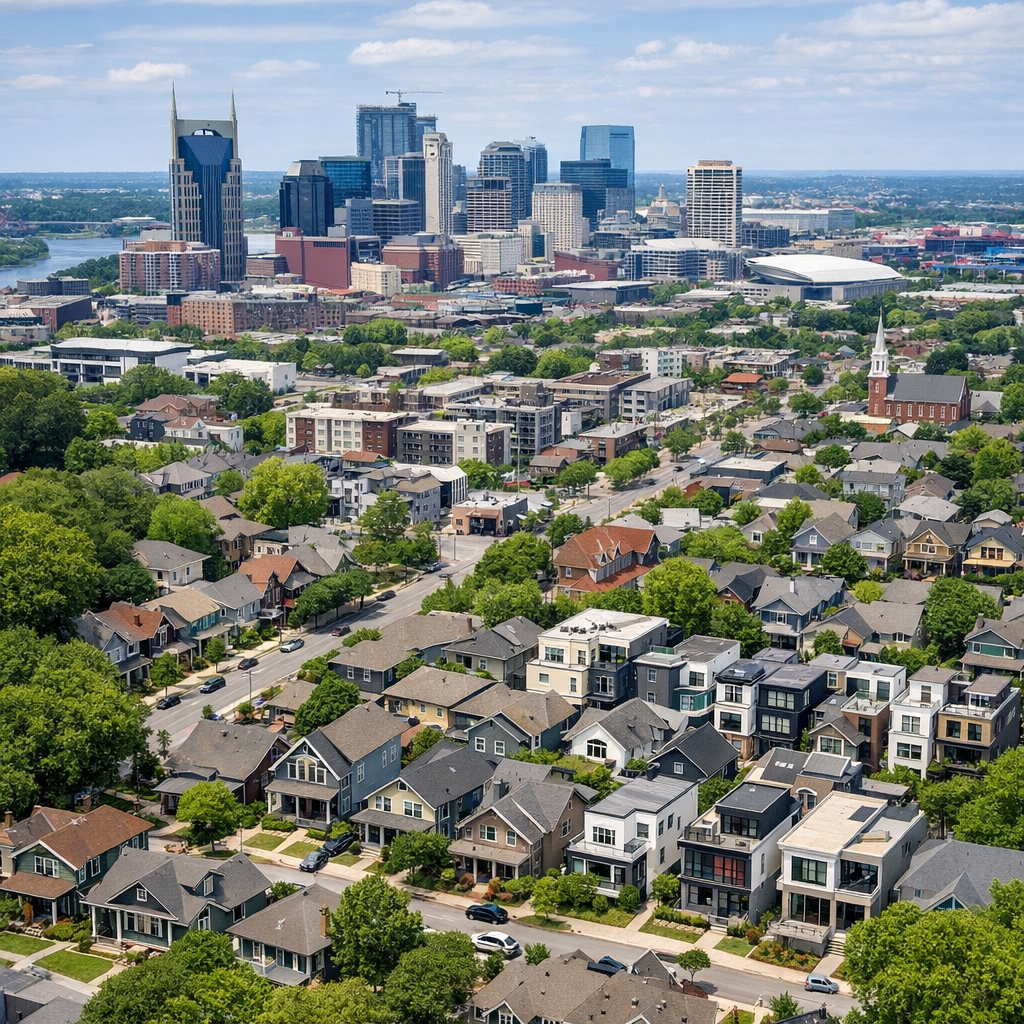
Nashville’s rapid growth has brought prosperity to many, but it has also intensified housing affordability challenges for a significant portion of its residents. A recent Vanderbilt University poll reveals that 82% of Nashville residents feel they cannot afford to purchase a home in Davidson County, underscoring a deepening crisis in housing accessibility.
Historically, discriminatory practices such as redlining and exclusionary zoning have contributed to economic disparities among Nashville’s communities. These systemic issues have resulted in Black and Hispanic families being able to afford median-valued homes in less than 1% of the city’s 481 neighborhoods, highlighting the persistent racial wealth gap.
In response to these challenges, local leaders have initiated several measures. Mayor Freddie O’Connell has emphasized housing affordability in his budget proposals, aiming to increase the supply of affordable housing units. Additionally, the city’s Unified Housing Strategy seeks to address these disparities by promoting inclusive development and equitable access to housing.
Community organizations are also playing a vital role. Initiatives like Imagine Nashville have engaged over 10,000 residents to gather insights and develop strategies to ensure that all Nashvillians can benefit from the city’s growth. These efforts aim to create a more inclusive and equitable housing landscape.
As Nashville continues to evolve, addressing housing affordability remains a critical priority. Collaborative efforts between government agencies, community organizations, and residents are essential to ensure that the city remains a vibrant and accessible place for all.