

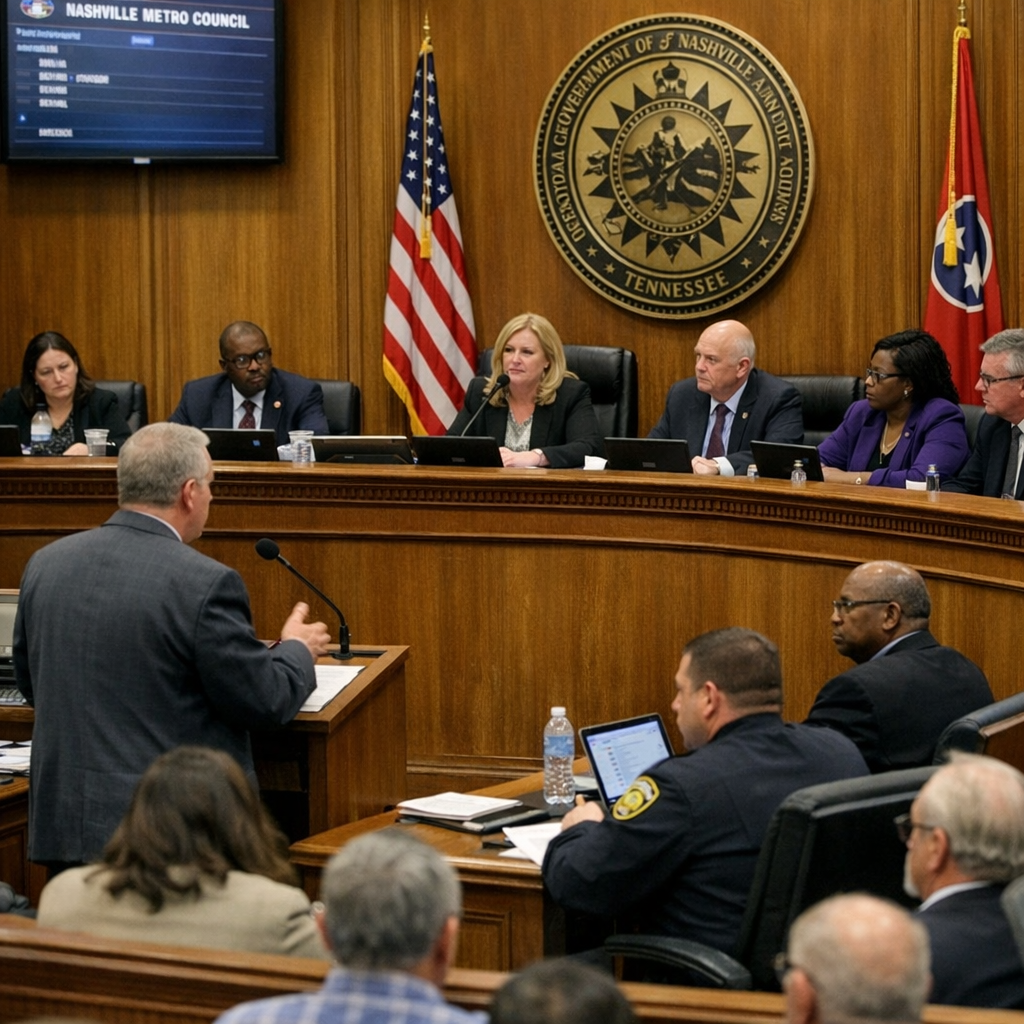
Nashville’s financial landscape has been a focal point of discussion among city officials and residents alike. Metro Finance Director Jenneen Reed recently highlighted the city’s robust financial health, even amidst modest revenue growth. The proposed $3.8 billion operating budget aims to eliminate the city’s grocery tax, reflecting a conservative fiscal approach to navigate uncertain global economic conditions. However, this financial strategy has faced criticism, particularly concerning property tax policies that have impacted homeowners and businesses, including notable venues like Acme Feed & Seed.
Community Concerns and Initiatives
Beyond fiscal matters, Nashville’s residents have expressed growing concerns about housing affordability and the rapid pace of population growth. A significant 82% of residents report being unable to afford a home in Davidson County, underscoring the pressing need for affordable housing solutions. In response, the Metro Social Services released the annual ‘Community Needs Evaluation’ report, shedding light on affordability challenges, especially among African American residents. This report serves as a call to action for targeted programs to address these disparities.
Urban Development and Public Sentiment
Urban development projects have also sparked debate. A proposed data center near the Nashville Zoo has garnered opposition from various political figures, including U.S. Senator Marsha Blackburn and Mayor Freddie O’Connell. Concerns center around the potential impact on the zoo, a vital educational and economic asset for the community. Additionally, a recent report indicates that Downtown Nashville is not particularly ‘sticky’ for local residents, meaning many tend to avoid the area regularly and do not linger when they do visit. Public safety issues, including concerns over excessive drinking and crime, likely contribute to this sentiment.
Community Engagement and Resilience
Amid these challenges, Nashville residents are finding creative ways to build community and connect with their neighbors. From casual ‘Wine Wednesday’ gatherings to dog meet-ups at local parks, these grassroots efforts counter rising social isolation and foster a sense of belonging. Such initiatives highlight the resilience and proactive spirit of Nashvillians in strengthening community ties.
In conclusion, while Nashville’s financial health appears strong, the city faces multifaceted challenges that require collaborative efforts from both officials and residents. Addressing housing affordability, managing urban development thoughtfully, and fostering community engagement are essential steps toward ensuring a thriving and inclusive Nashville for all.