

Nashville’s financial landscape has been a focal point of discussion among city officials and residents alike. Metro Finance Director Jenneen Reed recently highlighted the city’s financial health, noting that despite modest revenue growth, Nashville maintains a robust fiscal position. The proposed $3.8 billion operating budget includes initiatives such as eliminating the city’s grocery tax. Additionally, a new fiscal policy mandates maintaining reserves of 17% for all operating funds and 50% for debt service obligations, reflecting a conservative approach to financial management amid global economic uncertainties.
However, this financial optimism contrasts with growing community concerns. A recent Vanderbilt Poll indicates that 82% of residents feel they cannot afford to buy a house in Davidson County, and only 36% plan to purchase a home in the area. The poll also reveals a decline in optimism about the city’s direction, with nearly half of respondents stating that recent changes have negatively impacted their daily lives.
In response to these challenges, Metro Social Services released its annual “Community Needs Evaluation” report, focusing on affordability issues faced by African American residents. The report identifies both historical and contemporary factors contributing to the wealth gap and offers insights into current trends and potential future impacts.
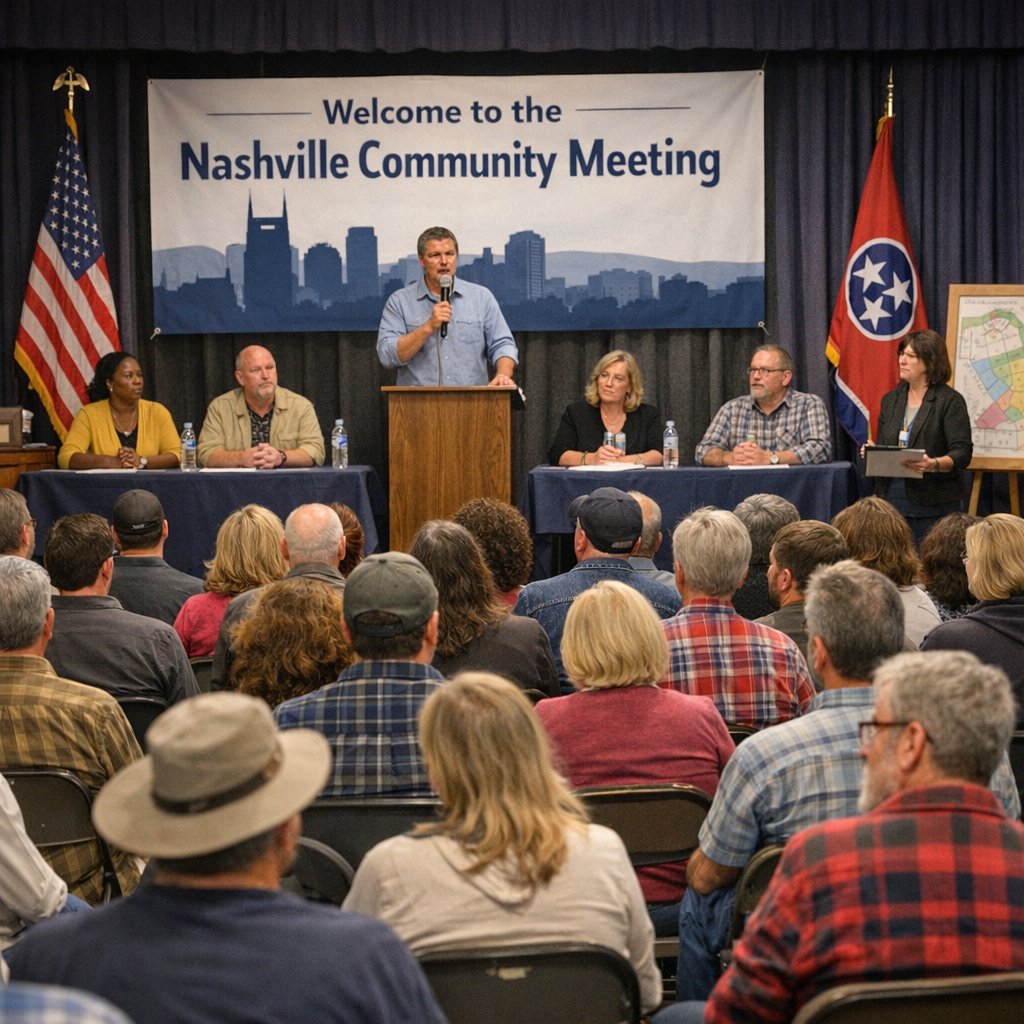
Community engagement remains a vital aspect of addressing these concerns. Residents have been actively building connections through neighborhood gatherings, book clubs, and other grassroots initiatives, fostering a sense of belonging and support within the community.
As Nashville continues to navigate its financial and social landscape, the collaboration between city officials and residents will be crucial in ensuring a balanced approach to growth and community well-being.