

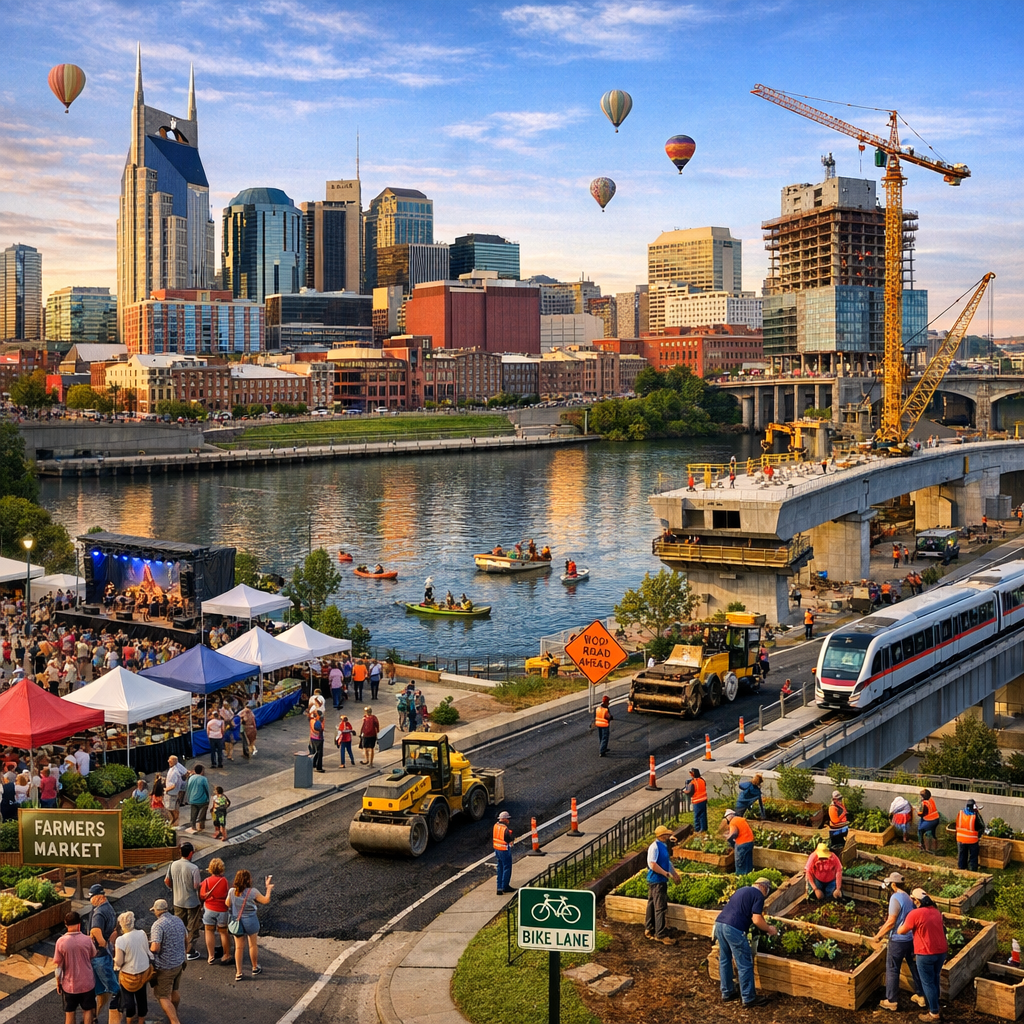
Nashville is experiencing significant developments that are shaping the city’s future. Here’s an overview of key initiatives and challenges currently impacting our community.
Vice Mayor’s Race Gains Momentum
The race for Nashville’s vice mayor in 2027 is heating up with Metro Councilmember Zulfat Suara announcing her candidacy. Known for her success in countywide elections, Suara is expected to be a strong contender for the role, which involves managing Metro Council meetings and overseeing the council office. Incumbent Vice Mayor Angie Henderson has yet to decide on seeking reelection, pending a Tennessee Supreme Court decision on a lawsuit concerning the size of the Metro Council. This announcement signals a competitive race for a position that has seen significant turnover since 2015.
Targeted Approach to Right-Turn Ban
Metro Councilmember Sandra Sepulveda has revised her initial proposal to ban right turns at red lights across Nashville, opting for a more targeted approach. The amended legislation focuses the ban on specific high-risk areas—including downtown, school zones, and busy transit corridors—to enhance pedestrian safety. Mayor Freddie O’Connell supports this refined strategy, which will be reviewed at the upcoming Metro Council meeting.
Addressing Property Tax Concerns
Tennessee Republican leaders are considering a special legislative session to address escalating property taxes burdening downtown Nashville honky-tonk owners. This follows significant backlash from hospitality businesses, which claim the increased tax load threatens their survival. Proposed remedies include freezing property taxes for certain hospitality and downtown businesses, implementing specialized appraisals, and offering other forms of financial relief. However, no clear legislative direction has been decided yet.
Local Control Over Data Centers
State Senator Heidi Campbell is introducing legislation to ensure that local governments in Tennessee retain control over the approval or rejection of new data center developments. This move responds to a growing number of data center proposals across the state, including a contentious one near the Nashville Zoo. The issue has gained prominence as local governments increasingly impose moratoriums and devise regulations addressing the environmental and energy impacts of these facilities.
Community Needs Evaluation Report Released
Metro Social Services has released its 17th annual Community Needs Evaluation report, highlighting affordability challenges for African American residents in Nashville. The report identifies historic and contemporary causes of the city’s wealth gap, current trends, and forecasts potential future impacts. These findings aim to inform and guide programs that address the needs of Nashville’s most vulnerable populations.
Enhanced Road Safety Measures
In response to a rise in fatal crashes, Nashville is implementing new road safety measures funded by the “Choose How You Move” initiative. The Nashville Department of Transportation is installing concrete barriers to protect bike and scooter lanes on Commerce Street and Davidson Street near Nissan Stadium. Additionally, raised pedestrian crosswalks are being introduced to enhance pedestrian visibility and safety by bringing the walking surface closer to sidewalk level. These efforts aim to reduce accidents and improve the city’s transportation infrastructure.
Plan to Play Update Evaluates Park Investments
The updated “Plan to Play” document from Metro Parks serves as a framework for evaluating how much Nashville is willing to invest in its parks system. Initially launched in 2017, the plan has been revised to reflect current conditions, including a significant deferred maintenance backlog of $127.6 million as of 2025. It offers three tiered funding options, ranging from stabilizing maintenance to realizing broader, more aspirational goals set out in the original plan. Mayor Freddie O’Connell highlights the plan as a strategic tool to guide community discussions and track progress versus peer cities.
These developments reflect Nashville’s ongoing efforts to balance growth, community well-being, and infrastructure improvements. Staying informed and engaged with these initiatives is crucial for all residents as we navigate the city’s evolving landscape.