

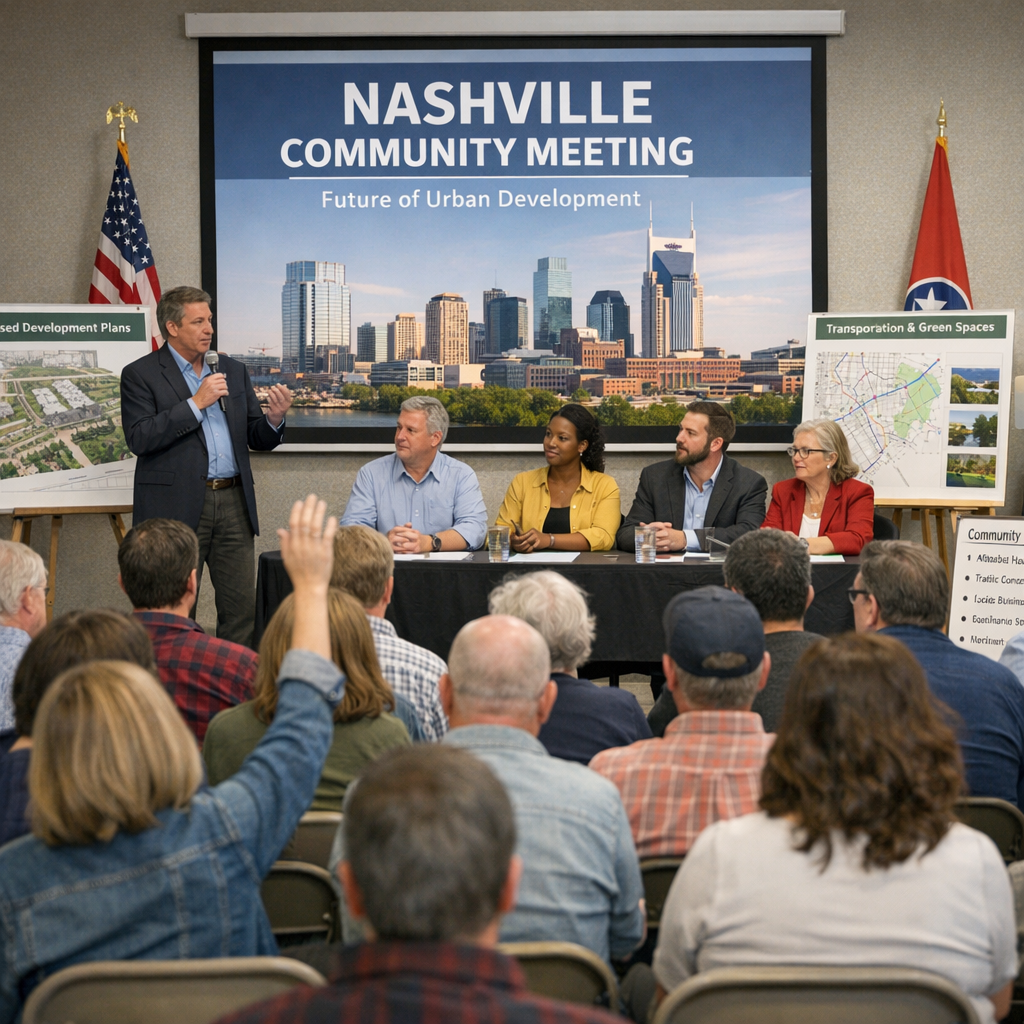
Nashville is experiencing significant developments that are shaping the city’s future. Here’s an overview of key initiatives and challenges currently impacting our community.
Addressing Housing Affordability
Housing affordability remains a pressing issue for many residents. A recent report by Metro Social Services highlights that African American residents face significant affordability challenges compared to other Nashvillians. The study identifies both historical and contemporary factors contributing to the city’s wealth gap and suggests targeted programs to address these disparities.
Enhancing Road Safety Measures
In response to a rise in fatal crashes, the Nashville Department of Transportation is implementing new safety measures. These include installing concrete barriers to protect bike and scooter lanes on Commerce Street and Davidson Street near Nissan Stadium, as well as introducing raised pedestrian crosswalks to improve visibility and safety for pedestrians.
Balancing Development and Community Interests
The proposed construction of a $700 million data center near the Nashville Zoo has sparked significant community opposition. Concerns center around potential noise and light pollution affecting both the zoo’s animals and visitor experience. In response, the Metro Council has authorized the use of eminent domain to potentially acquire the site, reflecting the city’s commitment to preserving community assets.
Protecting Local Autonomy Over Data Centers
State Senator Heidi Campbell has introduced legislation aimed at ensuring local governments retain control over the approval of new data center developments. This move comes amid growing concerns about the environmental and energy impacts of such facilities, emphasizing the importance of local decision-making in these matters.
Improving Emergency Management
Following a severe ice storm in January, the Winter Storm Commission has recommended a review and potential reforms of the Office of Emergency Management (OEM). While the OEM was praised for its performance under pressure, the commission highlighted the need for standardized procedures and accreditation to enhance future emergency responses.
These developments underscore Nashville’s ongoing efforts to balance growth with community well-being, ensuring that the city’s evolution reflects the needs and values of its residents.