

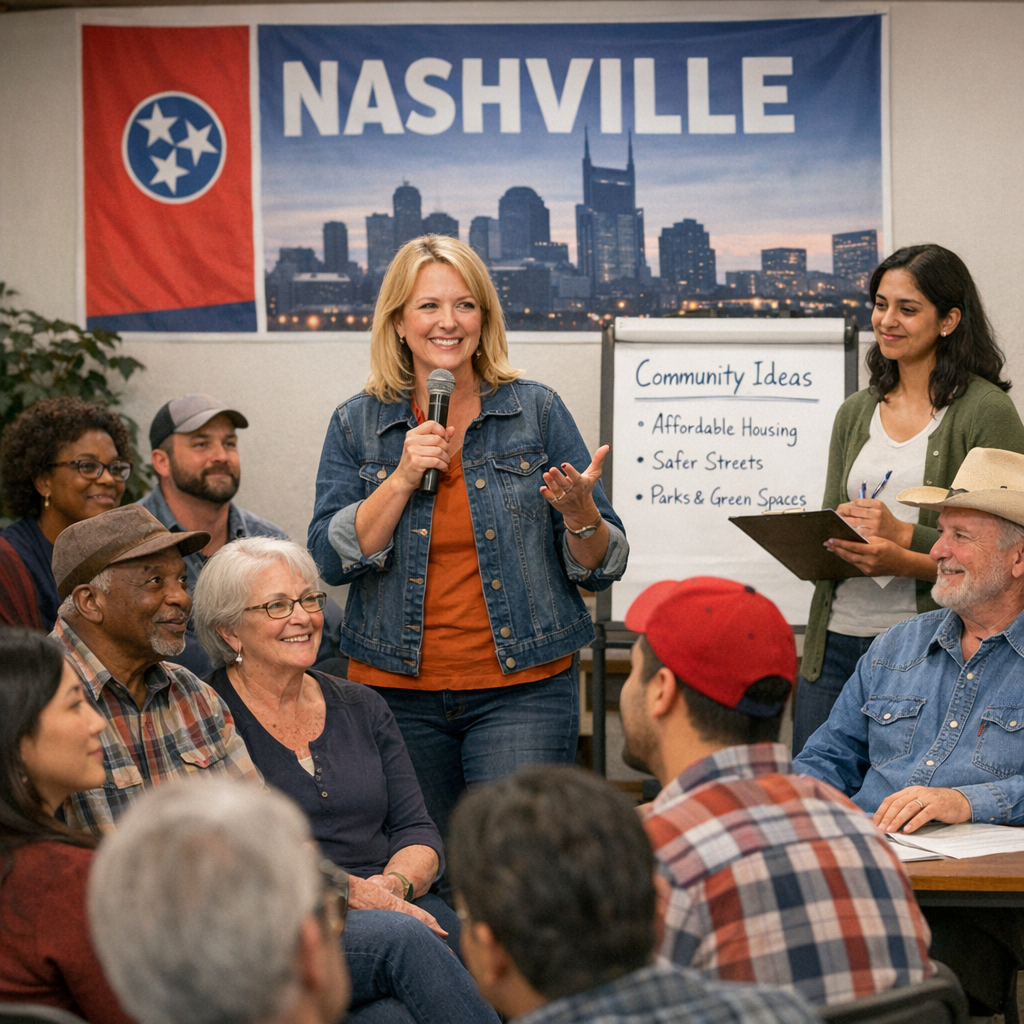
Nashville continues to experience significant growth and change, bringing both opportunities and challenges to its residents. Recent developments highlight the city’s financial health, community concerns, and proactive initiatives aimed at fostering a more inclusive and vibrant community.
Financial Health and Budget Developments
Metro Nashville’s finance director, Jenneen Reed, has expressed confidence in the city’s financial stability. Despite modest revenue growth, the proposed $3.8 billion operating budget includes plans to eliminate the city’s grocery tax. A new fiscal policy mandates maintaining 17% of all operating funds and 50% of debt service obligations in reserve, reflecting a conservative approach to financial management amid global economic uncertainties. The Metro Council is expected to finalize and vote on the budget plan soon.
Community Concerns: Affordability and Gentrification
The 17th annual Community Needs Evaluation report by Metro Social Services reveals that Nashville’s African American residents face significant affordability challenges compared to other groups. The report identifies both historical and contemporary causes of the city’s wealth gap, current trends, and potential future impacts. These findings underscore the need for targeted programs to address financial barriers and promote economic equity within the community.
Additionally, a new interactive mapping tool highlights areas experiencing gentrification, wage disparities, and poverty. This resource aims to provide a clearer understanding of socio-economic patterns in Nashville, assisting policymakers and community leaders in developing strategies to mitigate displacement and support vulnerable populations.
Community Initiatives and Engagement
In response to growing concerns about social isolation, Nashville residents are finding creative ways to build community connections. From casual neighborhood gatherings to organized meetups, these grassroots efforts aim to foster a sense of belonging and combat the health risks associated with isolation. Sociologist Rachel Donnelly emphasizes that such community-building activities are crucial for mental and physical well-being.
Furthermore, the Metro Public Health Department, in collaboration with local hospitals and social services, has released the Community Health Improvement Plan. This action-oriented plan outlines strategies to address priority health issues, aiming to create a culture of compassion and well-being where all residents can thrive.
Looking Ahead
As Nashville continues to evolve, it is imperative for city leaders and residents to work collaboratively to address these challenges. By fostering open dialogue, implementing targeted initiatives, and promoting inclusive growth, Nashville can ensure that all its residents benefit from the city’s prosperity.
Community engagement remains a cornerstone of this effort. Residents are encouraged to participate in local meetings, provide feedback on proposed developments, and support initiatives that promote equity and inclusion. Together, we can build a Nashville that honors its rich history while embracing a future of shared success.